
Balaclavas for babies and children


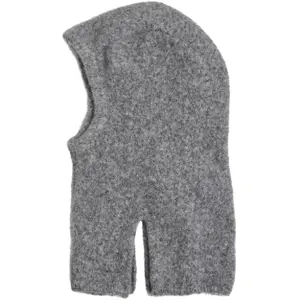

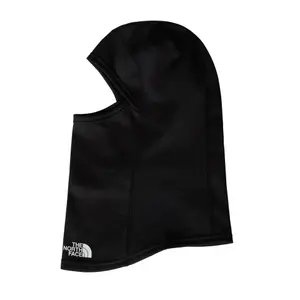


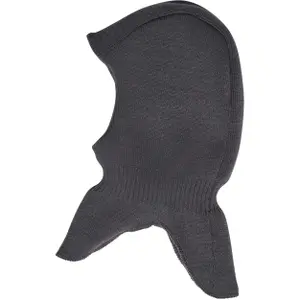
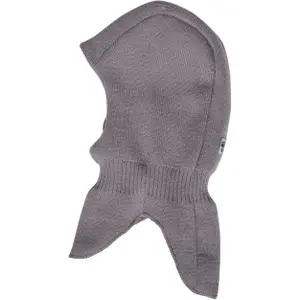
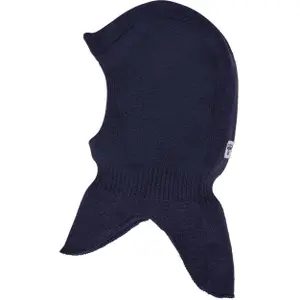
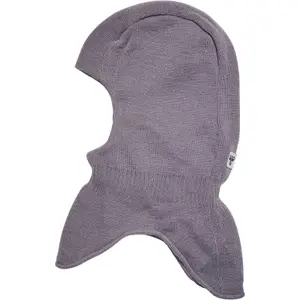
The children’s balaclava covers the head, ears and neck in one piece, leaving the face uncovered. No scarf to tie again, no hat that rides up over the ears: it stays in place during play in the snow and on windy walks. Wool for warmth, fleece for a lighter feel, or a thin one to wear under a helmet.
Head, ears and neck covered in one go
Where the balaclava comes from, and why it suits children
In English, a balaclava is called a balaclava, after Balaklava in Crimea, where British soldiers spent the winter of 1854–1855 during the Crimean War and were given woollen headwear covering their head and neck. The name only caught on later, but the idea hasn’t changed: one knitted piece that keeps the cold out from every angle.
For a child, this design means fewer things to forget or lose, as there’s just one piece to put on instead of a hat and scarf. It has no loose ends that could get caught, and the opening around the face fits closely around the cheeks to stop the wind getting down the neck.
When a balaclava isn’t needed: hats, bucket hats and caps
A balaclava is only useful in really cold weather. On milder days, hats are enough to cover the ears, while bucket hats and berets are good for the in-between seasons. In spring and summer, caps and hats protect against the sun.
Full-coverage, with ears or under a helmet: balaclava styles
A full-coverage balaclava leaves only the oval of the face exposed and extends well over the neck and top of the shoulders: it’s ideal for winter walks, like the woollen balaclava with a pom-pom from Mikk-Line for babies. The same Danish brand also offers a fleece version with little ears, which amuses toddlers and goes on without a fuss.
A lightweight balaclava, also known as a helmet liner, is worn under a ski or sledging helmet without affecting its fit. Children’s balaclavas from Barts and the Starrie baby balaclava from Reima, a Finnish brand founded in 1944, round out the choice, from thick knits to lighter styles.
Merino wool or fleece: choosing a balaclava fabric
Wool is still the go-to fabric: it keeps you warm even when damp, lets your skin breathe during activity and helps reduce odours. Fine-fibre merino doesn’t itch against the face. However, it needs gentle washing and dries slowly. Fleece is lighter, dries quickly and can go in the washing machine, but blocks the wind less effectively if it isn’t lined.
Whatever the fabric, check that the face opening leaves the mouth and nose clear, and never let a baby sleep with a balaclava on in a heated room. As soon as you go into a shop or car, pull it down over the neck or take it off to prevent sweating.
Ski holidays: when to get a balaclava
Get a balaclava ready before heading to the mountains, and key times of year are ideal for shopping. Black Friday is a chance to kit out children before the Christmas ski holidays, and it also makes a useful festive gift. The winter sales come before the February half-term holidays, then the spring French Days, summer sales and back-to-school period give you time to plan ahead for next winter in the right size. It’s also worth checking clearance, special offers and new arrivals.
Frequently asked questions
At what age can a baby wear a balaclava?
From their first outings in cold weather, as long as the balaclava fits and the opening leaves the mouth and nose completely clear. Check the back of their neck: if a baby is sweating under their balaclava, they’re too warm, and a simple hood may be enough.
How do you measure for a balaclava?
As with a hat, measure around the head above the eyebrows and ears, then check the brand’s size guide. Knitted fabric stretches a little, but a balaclava that’s too small pulls on the face and rides up from the neck with the slightest head movement.
Can you wear a balaclava under a bike helmet?
Yes, as long as you choose a lightweight balaclava that doesn’t affect the fit of the helmet: it should sit properly on the forehead, with the strap fastened under the chin. A thick balaclava pushes the helmet up and reduces its protection in a fall.
Is there still a place for the old-fashioned knitted balaclava?
The woollen balaclava that many parents wore as children, often hand-knitted, can still be found in Nordic brands’ ranges, in softer merino and gentle colours. The idea is the same, with the added comfort of fine wool.
How do you stop a balaclava from getting too hot?
Choose a thickness that suits the activity: a lightweight one for sledging or skiing, when the child is active, and a thicker one for a walk when they’re staying still. A balaclava with a wide opening can easily be pulled down over the neck as soon as the child gets warm, without needing to take it off.











