
Bobs and berets for children and babies


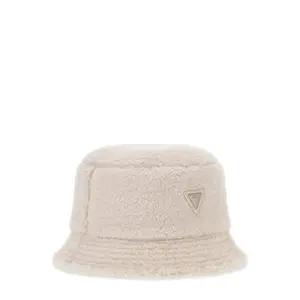

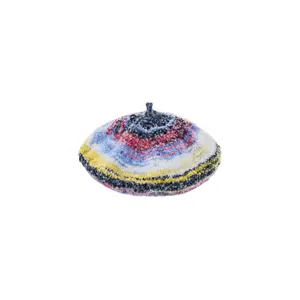
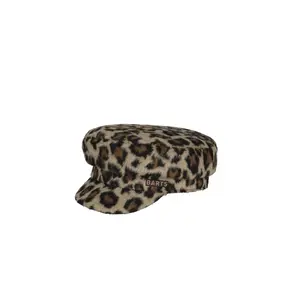
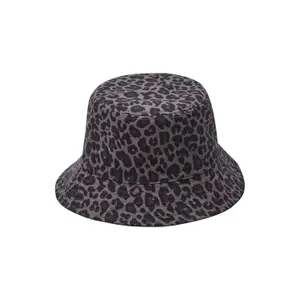
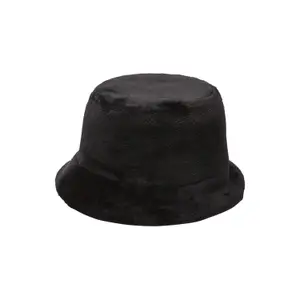
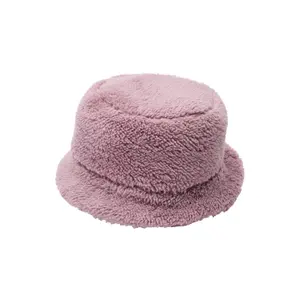


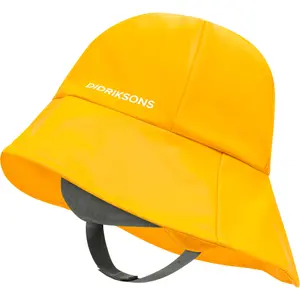
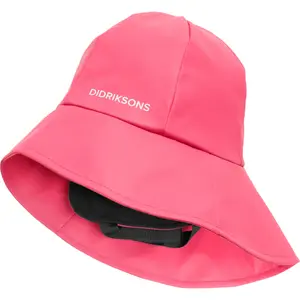
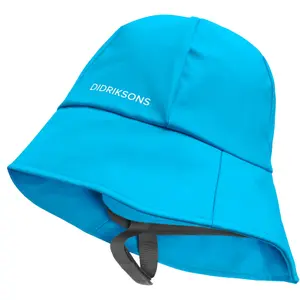
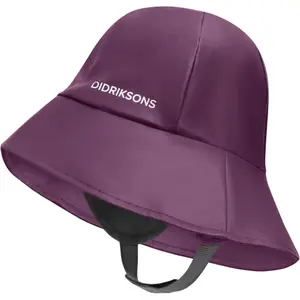
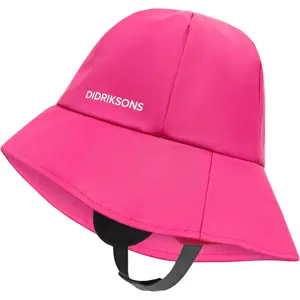
The children's bucket hat and the beret are two soft hats with very different uses. With its brim all the way round, the bucket hat protects you from the sun on the beach and from showers in the park; the beret, made from felted wool, adds a more classic look to autumn and winter outfits. Both are chosen by head size and can be slipped into a pocket or school bag.
Two soft hats, two seasons
Round brim, tightly woven fabric: what makes a good summer bucket hat
The main advantage of a bucket hat is its all-round brim, which shades the forehead, ears and neck — three areas where children burn easily in the sun. The wider and more gently sloping the brim, the better the protection. For a baby, a chin strap fastened with a hook-and-loop tab stops the hat falling off every time they move their head.
The fabric matters just as much as the shape. Tightly woven cotton or lightweight polyester in a deep colour blocks ultraviolet rays better than a loose, pale fabric, and some bucket hats display a UPF rating in line with the EN 13758 standard. Reversible styles give you two colours in one, while polyester bucket hats dry quickly after swimming.
Beanies, caps, hats, balaclavas: other types of headwear
Other types of headwear come into their own at different times of year. In very cold weather, beanies cover the ears that berets leave exposed, while a balaclava also protects the neck. For sport and summer outings, adjustable caps keep the sun out of your eyes, while the hat page brings together wide-brimmed styles and rain hats.
The rain bucket hat, inspired by fishermen's clothing
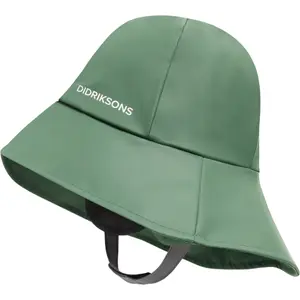
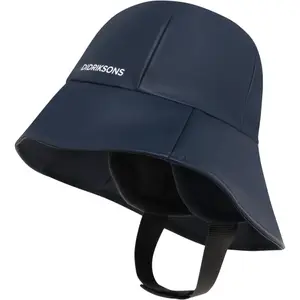
Bucket hats aren't just for sunny weather. The waterproof version is descended from the headwear worn by sailors and fishermen, such as the sou'wester, whose extended back brim kept water off the neck. This is precisely the world Didriksons comes from: the company was founded in 1913 by Julius and Hanna Didrikson in Grundsund, a fishing village on Sweden's west coast, to make clothing for people who worked at sea.
Its children's bucket hat is part of this culture of wet weather and is ideal for trips to the park or beach when the skies turn cloudy. A rain bucket hat can be worn with a raincoat, or instead of a hood when a child doesn't like having it over their eyes.
The beret, a Béarn head covering that became a winter classic
Often called a Basque beret, the beret actually originated in Béarn, where shepherds and farmers wore this flat, brimless wool hat to protect themselves from the weather. Oloron-Sainte-Marie, at the crossroads of the transhumance routes, turned it into an industry in the 19th century.
For a child, a felted wool beret keeps them warm and stands up to light rain, but doesn't cover the ears, so it's better suited to chilly days than freezing weather. Worn tilted to one side or slightly back, it goes with a smart coat, a school outfit or a trip to the museum, for girls and boys alike.
From summer bucket hats to winter berets: when to buy
Bucket hats and berets are worth buying both in and out of season. Black Friday and the festive season are the time for berets, which make a good gift with a winter coat, while the winter sales clear out woolly headwear. The spring French Days herald the bucket hat season, and the summer sales are a chance to replace one before the holidays. Back-to-school season brings berets back into the school bag. Check clearance, special offers and new arrivals at other times of year.
Frequently asked questions
What size bucket hat should I get for a baby?
Measure their head above the eyebrows and ears, then choose the corresponding size, or the next size up if the measurement falls between two sizes. A slightly large bucket hat is fine if it has a chin strap to keep it in place without being tight.
How do I wash a bucket hat without shrinking it?
A cotton bucket hat can be machine-washed at 30 degrees, inside out and in a laundry bag, then reshaped by hand and left to dry flat. Avoid tumble-drying, which shrinks cotton and distorts the brim. A waterproof bucket hat can simply be wiped clean with a sponge.
Will a beret stay on a child’s head when they run?
Yes, if it’s the right size: felted wool moulds to the shape of the head and stays in place without a strap. A beret that’s too big will slip at the slightest movement, so it’s worth measuring the head before buying and choosing the correct size.
Does a bucket hat still protect you when it’s wet?
Not as well: fabric UV protection ratings are measured when the fabric is dry, and wet or stretched fabric generally lets more ultraviolet rays through. After swimming, wring out the bucket hat or take a spare, and apply sun cream to the face as well.
Does a wool beret itch the forehead?
Felted wool is softer than knitted wool, but sensitive skin may react to the edge rubbing against it. Choose a beret with a ribbon trim on the inside, or wear it slightly further back so the wool doesn’t rub against the forehead.











