
Hats for babies, children and teenagers

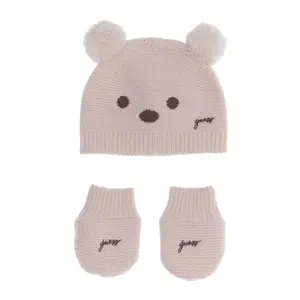
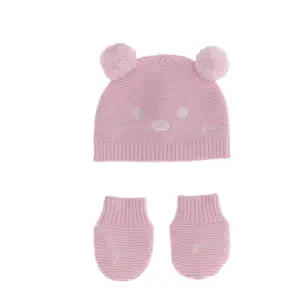
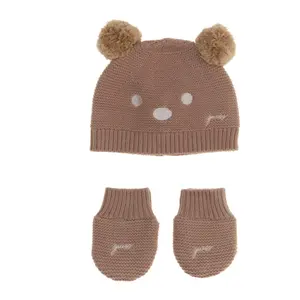
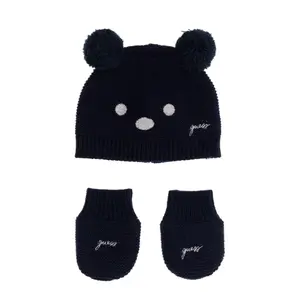


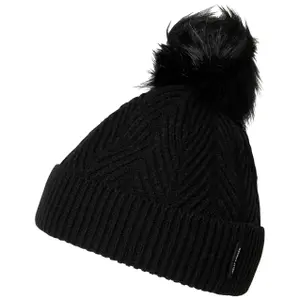
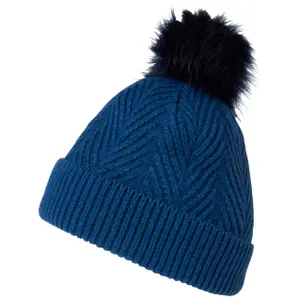
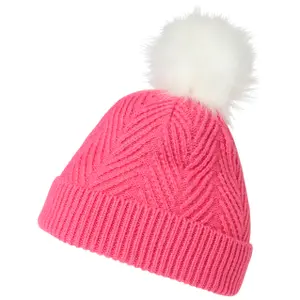
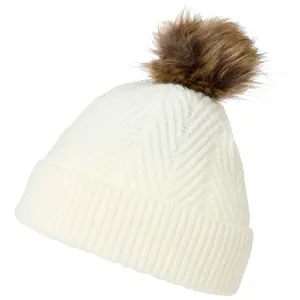
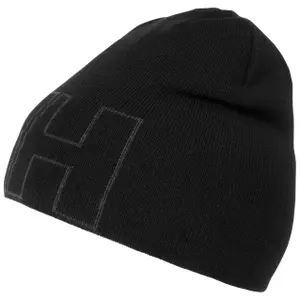
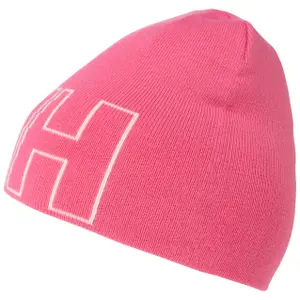
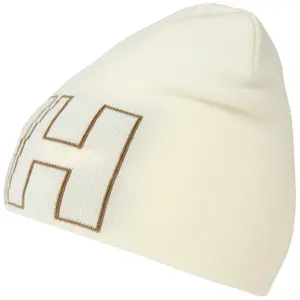
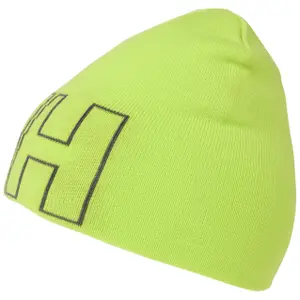
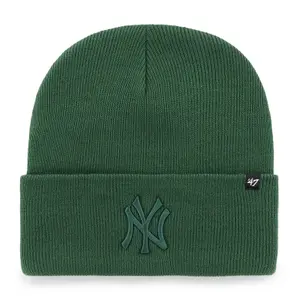
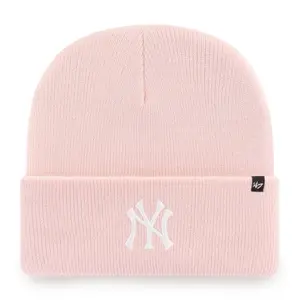
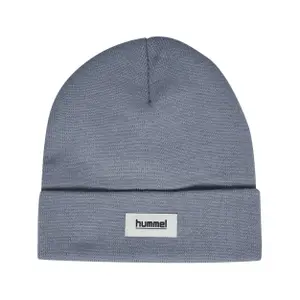
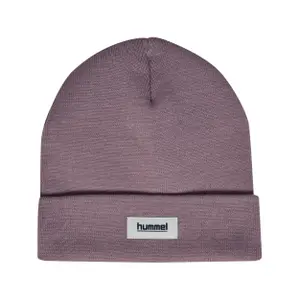
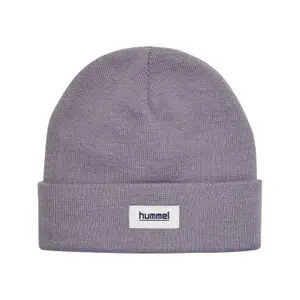
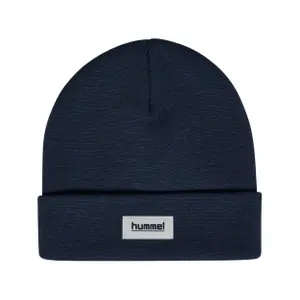
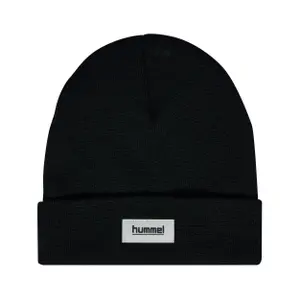
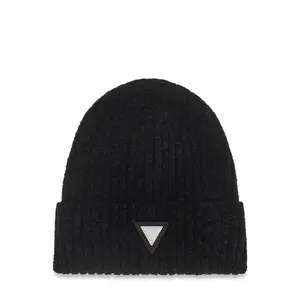
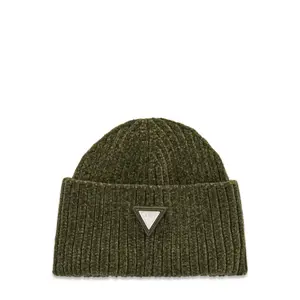
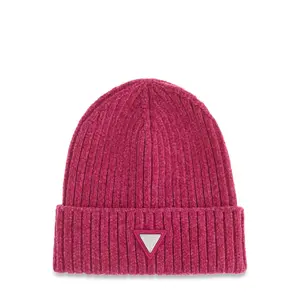
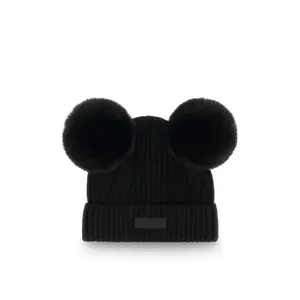
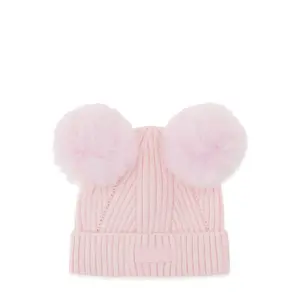
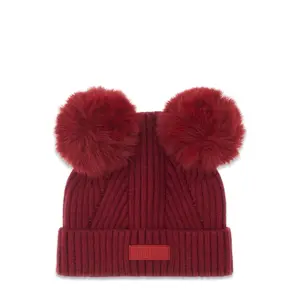
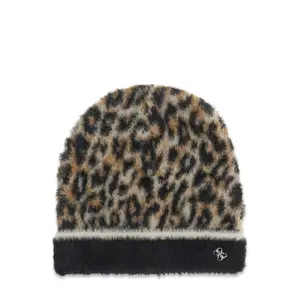
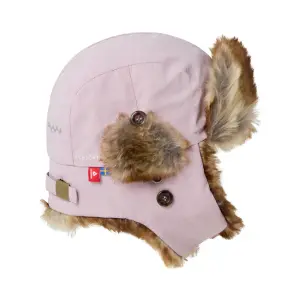
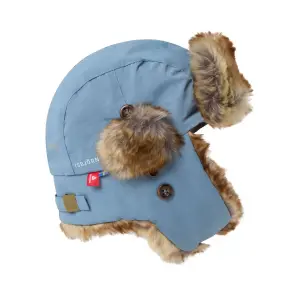
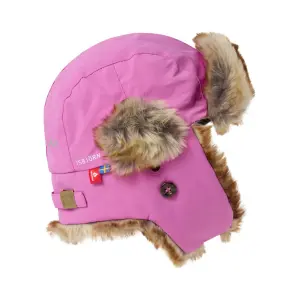
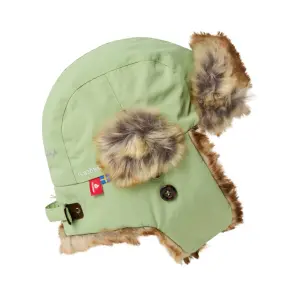
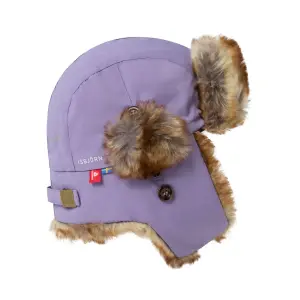
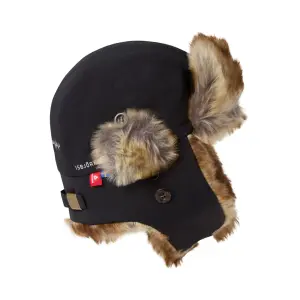
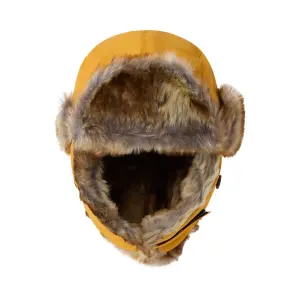
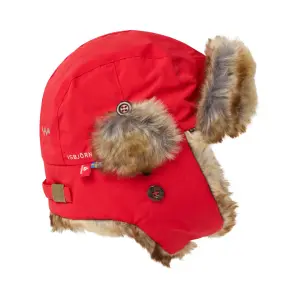
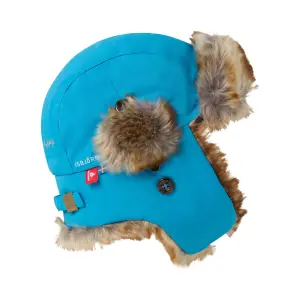
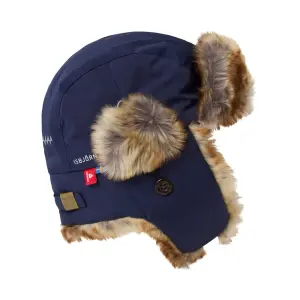


A children’s hat is the first line of defence against the cold, as a young child’s head is large in proportion to their body and loses heat quickly. A cotton newborn hat, a lined winter hat, a bobble hat or one with bear ears: the right choice depends on their age, the weather and what they’re doing, and should be selected by head circumference rather than age.
Keeping them warm from their ears to the top of their head
What hat size should you choose for your head measurement?
A well-chosen hat fully covers the ears and the back of the neck without slipping over the eyes. Sizes are given by head measurement: wrap a tape measure around your forehead, just above your ears, then compare it with the manufacturer's size guide. Knitted hats stretch by a few centimetres, so you can choose your exact size; a fleece-lined style is less stretchy, so choose your exact measurement or one size up.
A baby's head grows quickly during the first year, and a newborn hat can become too small within a few weeks. Check that it doesn't leave a mark on the forehead when you take it off: that's a sign it's too tight.
Bucket hats, caps, hats and balaclavas: other headwear
When a hat is no longer enough, or no longer needed at all, other headwear takes over. In very cold weather, a balaclava protects the neck too, all in one piece. In warmer weather, bucket hats and berets and a hat provide shade from the sun, while caps are ideal for sports and days out.
Wool, cotton or fleece: choosing a fabric for the cold
Merino wool is the most versatile: warm and breathable, it stays insulating even when slightly damp, and its fine fibres are less itchy. Soft and easy to wash, cotton is suitable for newborn hats and mid-season wear, but it holds on to moisture and isn't warm enough for very cold weather. Lightweight and quick-drying, fleece is used to line knitted hats or worn on its own for activities that make you sweat.
For snow or long walks, choose a lined hat that blocks the wind and has ear flaps. At home, in the car or in a heated shop, take it off: a child who sweats under their hat will feel cold as soon as they go back outside.
From newborn hats to bear-ear hats: choosing a style
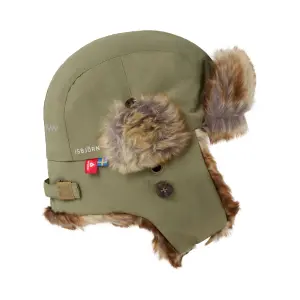
There's a hat for every age. For the first few weeks, the knotted hat Babybugz, a brand specialising in organic cotton for babies, sits gently without being tight, with a knot on top for a sweet look. For harsh winters, the Squirrel winter hat from Isbjörn of Sweden draws on the experience of a Swedish outdoor brand founded by two mothers.
Children who like statement accessories might choose the bear-ear hat from Guess, the American fashion house founded in 1981, or the Gabinesy hat by Danish designer Sofie Schnoor. Finnish brand Reima, founded in 1944 in Kankaanpää, rounds out the selection with hats designed for playing outside in all weathers.
Before the first cold spell: when to buy a child's hat
Hats often go missing in the first few weeks of school, so it's worth having two. Black Friday comes as the cold weather sets in, while the festive season makes a hat a handy gift to put under the tree with matching mittens. The winter sales are a good time to complete your snow gear; the spring French Days and summer sales are a chance to get ahead for the following winter, before the start of term, when last year's hat may need replacing. Keep an eye on clearance, special offers and new arrivals throughout the year.
Frequently asked questions
At what temperature should a child wear a hat?
There's no official temperature: cover their head when you feel you need to cover your own, and sooner if it's windy or damp. A baby who is lying still gets cold more quickly than a child who is running around, so it's worth checking the back of their neck.
Should you take a baby's hat off for sleep?
Yes. Indoors, a baby should sleep with their head uncovered, as they lose a lot of heat through their head and a hat can cause them to overheat. A room kept between eighteen and twenty degrees and a suitable sleeping bag are enough to keep them warm.
Why should you avoid cords on a young child's hat?
A long tie knotted under the chin can catch on playground equipment or a branch and tighten around the neck. The European standard EN 14682 also limits cords on children's clothing, so choose a short strap with a hook-and-loop or popper fastening.
How do you wash a bobble hat?
If the bobble is attached with a popper, remove it and clean it separately with a brush; otherwise, hand-wash the hat in lukewarm water, bobble and all. Leave it to dry flat, then fluff up the bobble with your fingertips to restore its volume.
Is a hand-knitted hat suitable for a baby?
Yes, as long as you use a soft yarn such as merino wool or cotton, and make sure bobbles and decorations are firmly attached so they can't be pulled off and swallowed. Also avoid loose knitting that a little finger could get caught in.











