
Hats for children, for sun and rain


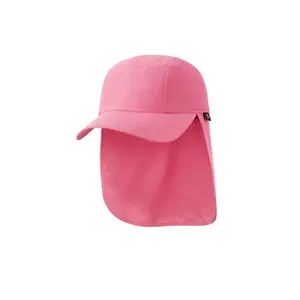
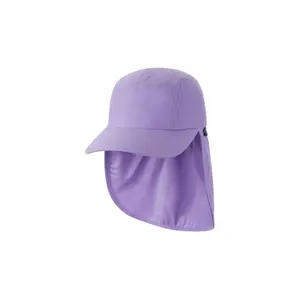
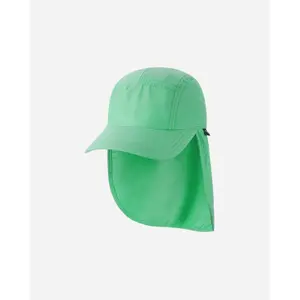


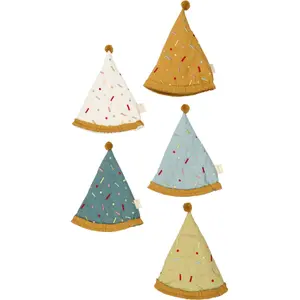


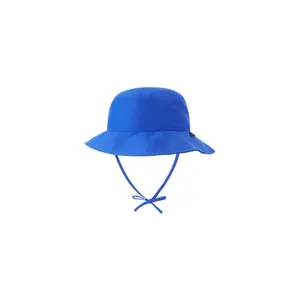


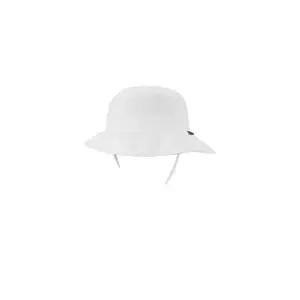


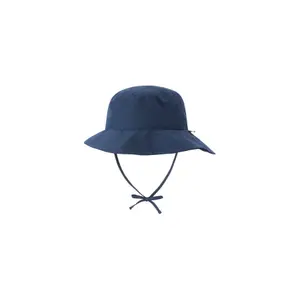


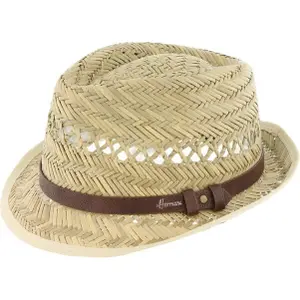


A children's hat has a different job in July and November: in summer, it protects the face, ears and back of the neck from UV rays; in autumn, it keeps the head dry when a hood isn't enough. This selection brings together sun hats and rain hats for babies and children, from Nordic outdoor specialists such as Reima and Mikk-Line.
Choose the right hat by measuring your child's head circumference.
Sun hats: a wide brim and UPF fabric
A sun hat protects your child first and foremost through its shape: the wider and more drooping the brim, the more shade it provides for the forehead, ears and nape of the neck — areas we often forget to cover with sun cream. For a toddler, a style with a brim that comes down at the back is better than a cap, which leaves the neck exposed.
The fabric matters just as much. A UPF 50+ label means the material has been tested and filters out the essential UV rays; the European reference is standard EN 13758-2, which sets the requirements for sun-protective clothing. Lightweight, pale, loosely woven cotton lets more ultraviolet rays through, especially when wet. For the beach, choose a tightly woven fabric that dries quickly.
Buckets hats, beanies and caps to complete the range
A hat is just one type of headwear for children. For a more casual style, the Bucket hats and berets page brings together canvas bucket hats, easy to roll up in a bag, and smarter berets. When the weather turns cold, beanies take over to cover the ears. Caps suit older children who want a crisp visor, while a balaclava protects the face and neck on very cold days or under a ski helmet.
Rain hats: the sou'wester style, from Reima to Mikk-Line
The rain hat is based on the sailors’ sou’wester: a narrow brim at the front that widens and comes down towards the nape of the neck, so the water runs behind the collar rather than down the back. It works well with a waterproof jacket when the hood gets in the way of the child’s vision or slips off as soon as they run.
The Reima Rainy comes from a Finnish brand founded in Kankaanpää in 1944, specialising in outdoor clothing for children aged 0 to 12: it covers the face, ears and nape of the neck. Mikk-Line, a Danish brand dedicated to outdoor gear for active children, also makes rain hats designed to go with its waterproof outfits, from the square to a school trip in the forest.
Measure your child’s head before ordering
Hat size corresponds to the head circumference in centimetres: size 52 fits a head measuring 52 cm. To measure it, place a flexible tape measure around the widest part of the head, just above the eyebrows and ears, without pulling it tight.
As a guide, head circumference is around 47 cm at about one year old, 50 cm at two or three, and 53 cm at six, but children vary considerably: always go by the measurement rather than their age. If your child is between sizes, choose the larger one if the hat has an internal drawstring or an elastic band, which lets you adjust it and get another summer’s wear out of it.
Hats on sale: when to look out for offers
Sun hats and rain hats are regularly on sale. Black Friday at the end of November is a good time to pick up a rain hat for winter, while the festive season is a chance to buy a useful little gift. The winter sales followed by the spring French Days come just before the warmer weather, making them ideal for a sun hat. During the summer sales and back-to-school season, the clothing clearance page offers end-of-line items, while new clothing showcases the latest styles.
Frequently asked questions
How can I get a toddler to keep their hat on when they keep taking it off?
Choose a lightweight style in the right size, with a strap under the chin that comes undone with one tug. Put it on before you go out, when things are calm, and wear a hat yourself: copying you helps a lot before the age of three.
Does a straw hat really protect against the sun?
It depends on the weave. Tightly woven straw provides good shade, but open-weave straw lets patches of light through onto the skin. For a child spending all day outside, fabric labelled UPF is a safer choice than a decorative straw hat.
Is a strap under the chin a risk?
Cords worn around children’s necks are covered by standard EN 14682. For a hat, choose a short, close-fitting chin strap with a popper or buckle that opens easily, and take the hat off for naps and when playing on playground equipment.
How do you care for a waterproof hat?
Rinse it with clean water after a muddy outing and leave it to air-dry, away from a radiator. Washing it at a low temperature without fabric conditioner helps preserve the water-repellent finish; always follow the manufacturer’s care label rather than this general advice.
What hat should a child wear to a wedding?
For a ceremony, a pale fabric or fine straw sun hat goes well with smart clothes and provides shade during an outdoor drinks reception. Try it on with the outfit before the big day: children are more likely to keep a hat on if they chose it themselves.











