
Puma trainers for children, the feline sized for little feet
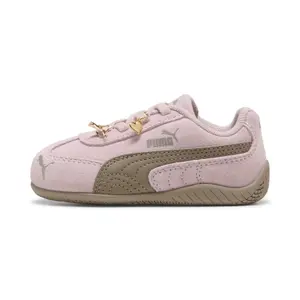
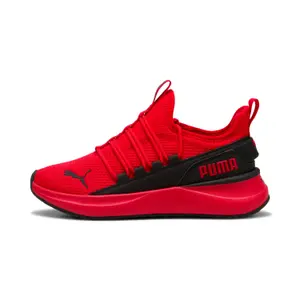
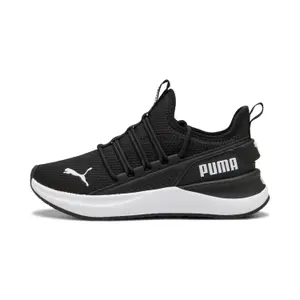
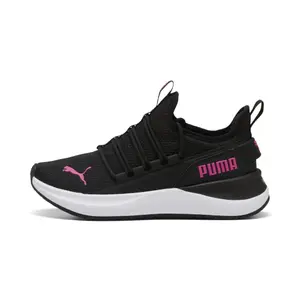

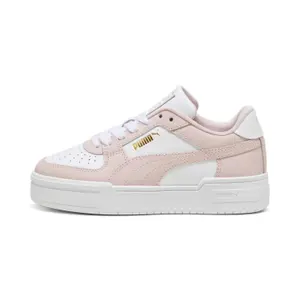


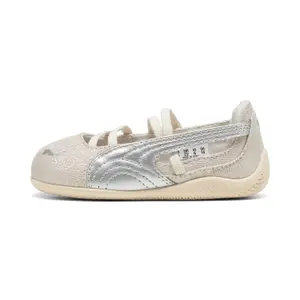
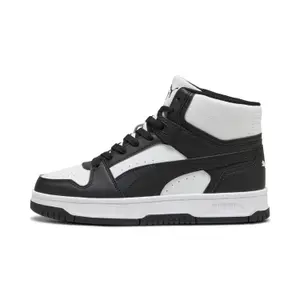
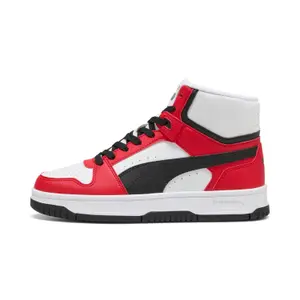
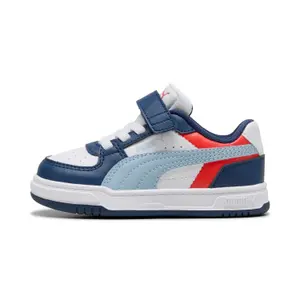
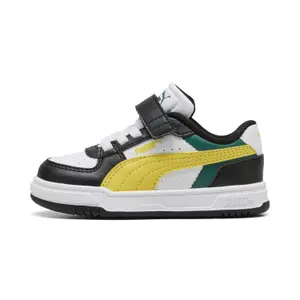
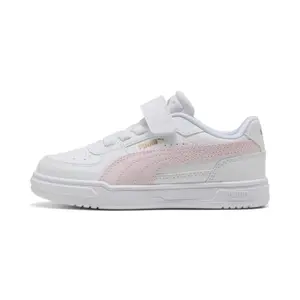


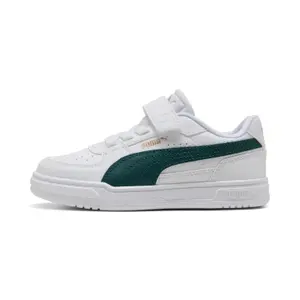


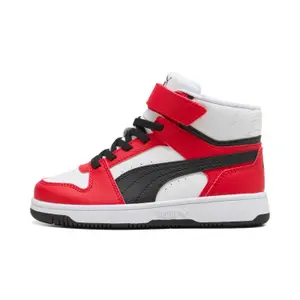
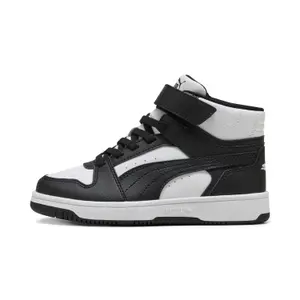


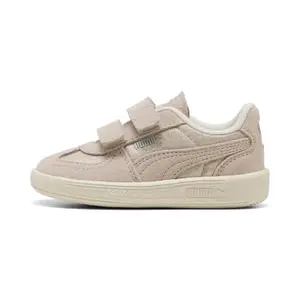
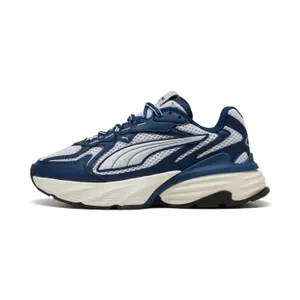
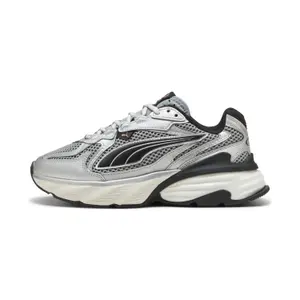
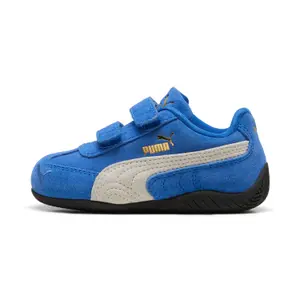
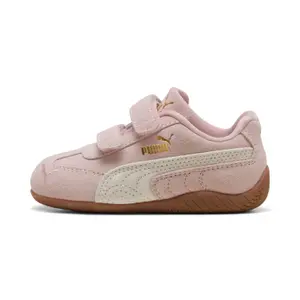
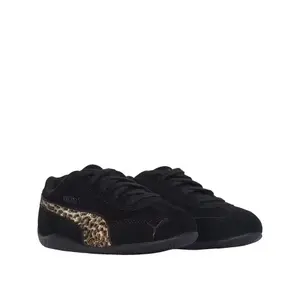
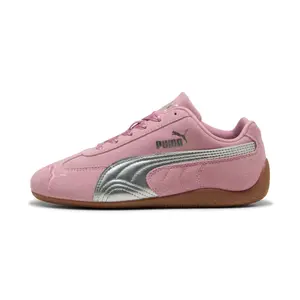
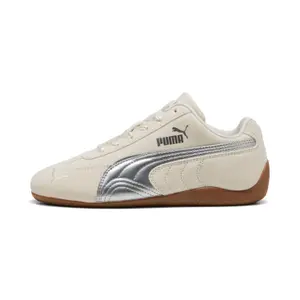
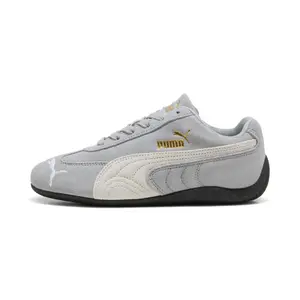
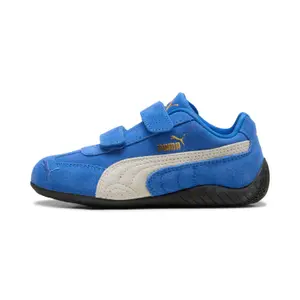


Puma children's trainers take the shapes that made the big-cat brand famous, from the suede Suede to the tennis-inspired Smash. Available with hook-and-loop fastenings for little ones and laces for older children, they keep the brand's signature Formstrip side stripe and work just as well for school as for weekends.
The big cat leaps into little sizes too.
Puma, from Herzogenaurach to children’s feet
Puma was founded in 1948 in Herzogenaurach, Bavaria, when Rudolf Dassler set up his own company after parting ways with his brother Adi. The small town then became home to two sports shoe giants, based on opposite sides of the river.
A few years later came the leaping cat and the Formstrip, the stripe running along the side of every shoe. Originally, it was an inner piece designed to stabilise the foot, before being moved to the outside and becoming the brand’s emblem. On a children’s trainer, elle is still the feature that makes a Puma instantly recognisable.
Other trainer brands
For comparison, adidas trainers come in small sizes, with styles including the Samba, Gazelle and Superstar. Hummel brings a handball-inspired look, Geox trainers have breathable soles, and Victoria offers canvas and suede in its Spanish designs.
Suede, Smash, Carina: Puma styles for children
The Suede dates back to 1968, when Puma chose suede for a warm-up shoe because it could be dyed in an endless range of colours. Adopted in the 1970s and 1980s by New York breakdancers for its flexibility, elle remains the brand’s most iconic trainer.
The Smash, inspired by tennis courts, has a clean design in leather or suede and comes with hook-and-loop fastenings for younger children. The Carina, another tennis-inspired style, is aimed mainly at girls, with its neat finishes and soft colours. All three models have a flat rubber sole, made more for the street than for sport.
How to read a children’s Puma style name: V, Inf, PS and Jr
Children’s Puma style names often end with a few useful letters. The letter V indicates a hook-and-loop fastening, handy for children who can put their shoes on by themselves. The suffixes Inf, PS and Jr correspond to successive size ranges, from toddlers to primary school children and then older children, whose trainers lace up like adult styles.
These size ranges do not correspond to a fixed age: a child who is tall for their age will move up to the next range sooner. Go by the foot length measured in centimetres and the size guide, and leave around one centimetre of room in front of the toes.
Children’s Puma trainers: key times of year
A Suede or Smash needs replacing as your child grows, so it’s worth shopping at the right times. Black Friday and the festive season are popular times for gifts. The winter sales, followed by the spring French Days, come just in time for a pair for warmer days. During the summer sales and at back-to-school time, the shoe clearance page and the special offers section add to the choice.
Frequently asked questions
Do Puma children’s trainers come up large or small?
The fit varies more by style than by brand: the soft upper of the Suede gives a little more room than a leather Smash. Measure your child’s foot at the end of the day and compare it with the internal length in the size guide, rather than going by their size in another brand.
Can Puma Suede trainers get wet?
Water can damage the suede, making it stiff and leaving watermarks. Apply a waterproofing spray before the first wear, let wet trainers dry away from the radiator, then brush the nap back up with a crepe brush.
Up to what age should you choose Puma trainers with hook-and-loop fastenings?
As long as your child can’t tie their laces by themselves, often until they’re five or six. Hook-and-loop fastenings help them be independent at school; after that, laces give a better fit as their feet get slimmer.
Are retro-style Puma trainers suitable for PE?
Their flat sole offers little cushioning, making them suitable for walking and playtime, but less so for running or repeated jumping. For school sport, choose running or indoor trainers with the right cushioning and grip.
How do you keep white leather Puma trainers clean?
After a muddy outing, wipe them with a damp sponge and a drop of soap, then dry with a cloth. A magic eraser cleans the sole, and white leather cream freshens up the upper once a month.











