
adidas trainers for children, the classic three-stripe style


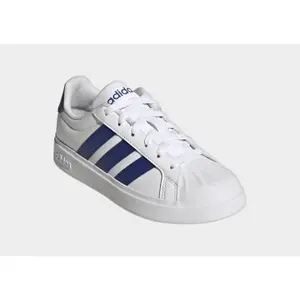
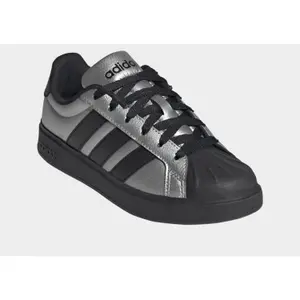

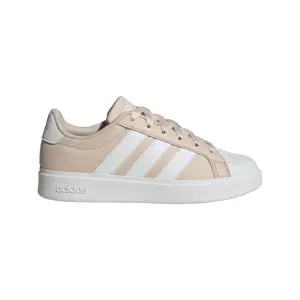


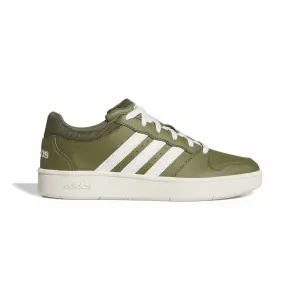


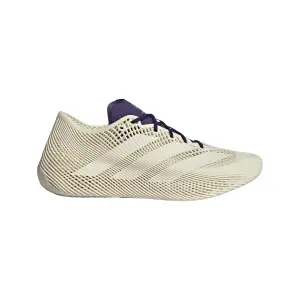


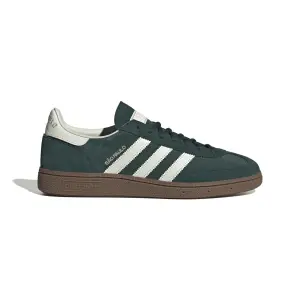
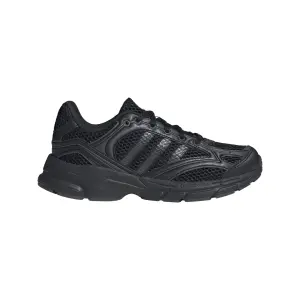
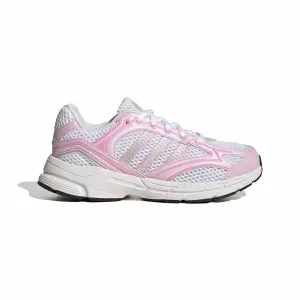
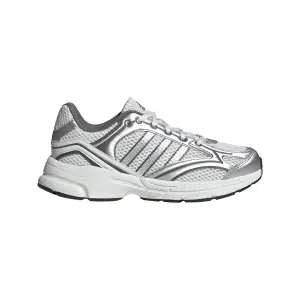
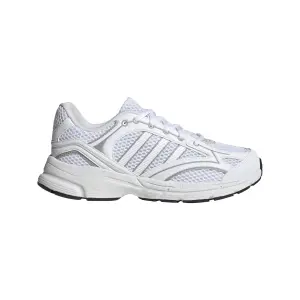
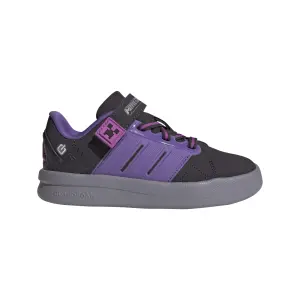


Children’s adidas trainers in smaller sizes bring back the styles that made three-stripe brand history, from the Samba, made for frozen pitches, to the Superstar with its rubber toe cap. For younger children, they come with a hook-and-loop fastening or elastic laces; for older children, with classic laces just like the adults’ version.
Three-stripe icons, made for little ones.
Samba, Gazelle, Spezial: adidas classics for children
Founded in 1949 in Herzogenaurach by Adi Dassler, adidas draws on its sporting archives for the styles children want today. The Samba dates back to 1950: it was designed for football training on frozen pitches, hence its grippy rubber sole. The Gazelle, launched in 1966, was one of the first trainers with a suede upper.
The Handball Spezial, released in 1979 for handball players, has kept its rubber sole and colourful suede. The Superstar, a basketball shoe that first appeared in 1969, is recognised by its shell-shaped rubber toe. All have been adapted for children's feet without losing their original design.
Other trainer brands
For comparison, Puma trainers include the Suede and Smash in versions with hook-and-loop fastenings. Hummel brings its chevrons and handball heritage, Geox trainers have breathable soles, and Victoria offers Spanish styles in canvas or suede.
CF, EL, I, C, J: decoding a children's adidas style code
The name of a children's adidas trainer often includes a few letters that tell you about its fastening and size. EL indicates elastic laces, giving the look of laces without needing to tie a knot. CF refers to the fastening the brand calls comfort closure: a hook-and-loop strap that fastens over the top of the foot.
The last letter indicates the size range. I, for infant, means sizes for very young children; C, for children, means sizes for nursery and primary school children; J, for junior, means larger sizes, with trainers that lace up like an adult style. The same Gazelle can therefore come in three versions for different ages.
How do children's adidas trainers fit?
adidas sizes are generally in line with European size charts, but the fit varies from one style to another. Styles inspired by football and handball, such as the Samba and Spezial, have a slim, low-profile shape that fits close to the foot; a child with wide feet or a high instep will find them tighter than a Superstar.
Before ordering, measure the length of your child's foot in centimetres and compare it with the inside length in the size guide, rather than the size of their previous pair. If your child is between sizes, go for the larger size in styles with hook-and-loop fastenings or elastic laces, as these are easy to tighten.
Children's adidas trainers: when to buy
A Samba or Gazelle needs replacing with every new size, so it's worth picking the right time. Black Friday and the festive season are good times to buy a gift with the three stripes. The winter sales, followed by the spring French Days, are a good time to plan for warmer weather. After the summer sales, check the shoe clearance and special offers before the new school year.
Frequently asked questions
Does a hook-and-loop adidas trainer stay on as well as a lace-up style?
For a young child, yes, as long as you fasten the strap firmly each time. The hook-and-loop fastening adjusts in a second and stays closed all day. Laces give a more precise fit, which is useful if your child runs a lot or plays sport.
How do you clean suede Samba or Gazelle trainers?
Let the mud dry, then brush the suede with a crepe brush and remove marks with a special suede eraser. Scrub the rubber sole with soapy water. Avoid putting them in the washing machine, as this can make the suede stiff and fade its colour.
Is the rubber sole on a Samba suitable for indoor football?
It grips well on sports hall floors, which reflects its sporting origins. It's fine for casual play or PE lessons; for a child who plays futsal, a dedicated indoor shoe offers more lateral support.
Are retro-style adidas trainers suitable for a school cross-country run?
These styles have a flat sole with little cushioning, designed for everyday wear. For cross-country or athletics, choose running shoes with a foam sole and studs, which protect the joints over several kilometres.
How much room should you leave in children's adidas trainers?
About one centimetre between the longest toe and the end of the shoe. If there's more than one and a half centimetres, the foot will slide around and your child may trip. Check again every three or four months until the age of six.











