
Geox trainers for children, keeping feet dry from playtime to the park
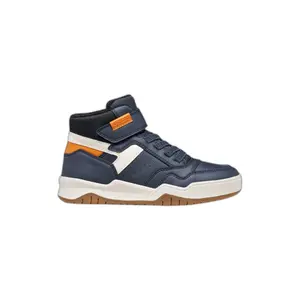
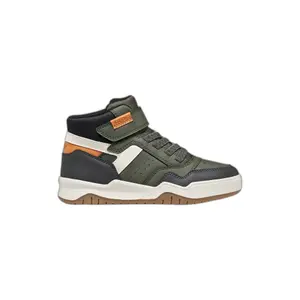
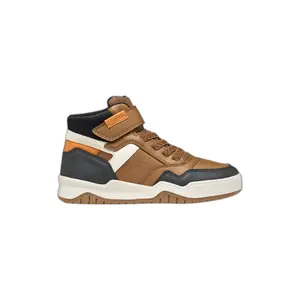


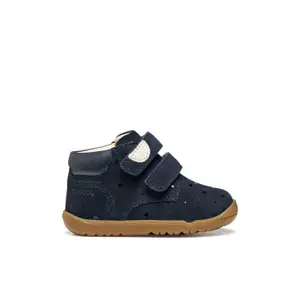


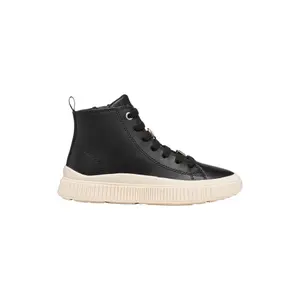


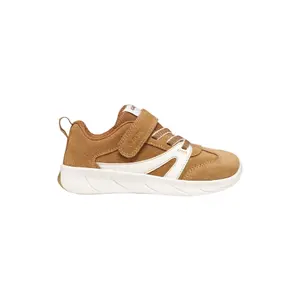
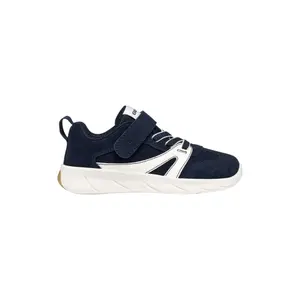


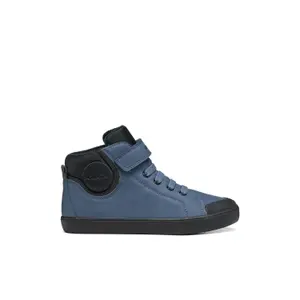
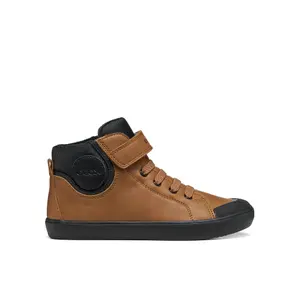


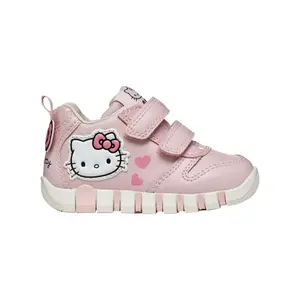


Children’s Geox trainers are built around the invention that made the Montebelluna brand famous in 1995: a perforated sole and a membrane that lets sweat vapour escape while keeping water out. For a child who runs around all day in a heated classroom and then in the playground, that means feet that are less sweaty, less cold and less smelly by the evening.
Trainers that let active feet breathe.
A trainer that lets heat escape through the sole
An active child's foot produces a lot of heat and moisture, which most trainers only release through the upper. Geox adds an outlet at the bottom: the rubber sole has tiny holes, covered by a membrane whose pores let water vapour through but keep out droplets. Sweat escapes with every step, pushed out by the pumping action of walking.
The idea came from Mario Moretti Polegato, who punched holes in his own soles one very hot day before patenting the process. The brand actually started out with children's shoes before expanding into adult footwear the same year.
Other children's trainer brands
For comparison, adidas trainers come in smaller sizes, including the Samba, Gazelle and Superstar, while Puma offers the Suede and Smash. Hummel brings its handball-inspired style, while Victoria offers canvas and suede styles made partly in La Rioja.
Amphibiox, the Geox trainer that keeps feet dry in the rain
Respira technology alone makes the sole breathable, but the upper of a regular trainer lets water in from puddles. Amphibiox models go further: a waterproof, breathable membrane also lines the inside of the upper, so water cannot get in through the top or sides.
For a child who walks to school in the rain or plays in wet grass, it means dry socks all morning. These trainers stay lightweight and flexible, unlike a wellington boot, and can be worn from autumn to spring. The waterproofing only reaches the collar: a puddle deeper than the upper will always let water in.
How Geox children's trainers fit
Parents find that Geox sizing is generally true to size, though sometimes a little generous in length. To avoid returns, measure the length of the foot while standing, at the end of the day, and compare it with the brand's size guide rather than the size of their current pair.
Smaller styles usually fasten with two hook-and-loop straps or an elastic lace with a strap, making it easy to adjust the fit precisely for a narrow foot or a high instep. Leave about a centimetre of room in front of the toes: enough to allow for growth, but not so much that the heel slips when your child runs.
Children's Geox trainers: key times to shop
Plan ahead for a waterproof pair before the rainy season and a breathable pair before warmer weather. Black Friday and the festive season fall in the middle of the wet season. The winter sales are a good time to replace a pair that has become too small, while the spring French Days are a chance to get ready for summer. During the summer sales and at the start of the school year, the shoe clearance and new shoes pages make it easier to choose a pair for school.
Frequently asked questions
Can you machine-wash Geox trainers?
It's not recommended: hot water, the spin cycle and detergents can loosen the sole and damage the membrane. Clean the upper with a sponge and soapy water, remove the insole and wash it separately, then leave everything to air-dry.
Are Geox trainers suitable for school sports?
Yes, for outdoor running and playtime. If the lesson takes place in a sports hall, check that the sole doesn't mark the floor and that it is clean: many schools ask pupils to bring a separate pair for indoor use.
Why choose breathable trainers in the middle of winter?
Feet still sweat in a heated classroom, even when it's cold outside. A damp sock then gets cold very quickly at playtime. By letting water vapour escape, the sole keeps the foot drier and therefore warmer.
What should you do when a child's trainer smells bad?
Remove the insole every evening so it can dry, sprinkle a little bicarbonate of soda inside the shoe overnight and alternate between two pairs. Cotton or wool socks absorb sweat better than synthetic ones.
Should you wear socks with Geox trainers?
Yes, because socks absorb sweat before the membrane releases it. Without socks, moisture stays trapped against the skin and the insole wears out more quickly. Cotton is suitable in summer and wool in winter.











