
<Cienta> ankle boots for children, high-top Spanish canvas footwear
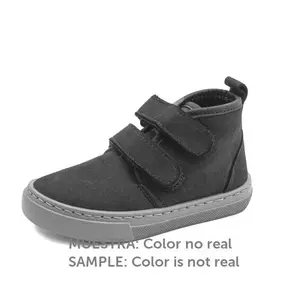
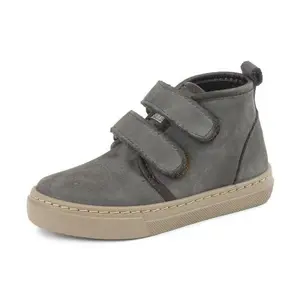
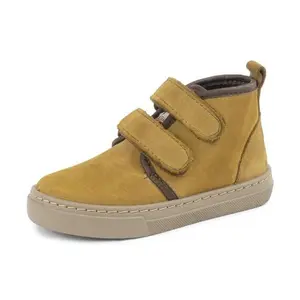
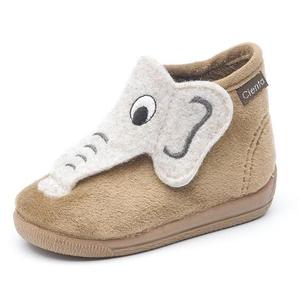
Cienta ankle boots bring the expertise of this Spanish family business, specialising in canvas and vulcanised rubber shoes for children, to a higher-cut style. Lightweight and flexible, with laces, a zip or touch-fastening straps, they cover the ankle while keeping the freedom of movement of canvas shoes. A mid-season shoe, available in plain colours from white to navy blue.
Canvas that reaches up to the ankle.
A lightweight, flexible vulcanised canvas ankle boot
The Cienta ankle boot uses the construction that made the brand’s name: a canvas upper joined to a vulcanised rubber sole, which means it is heated so it bonds with the fabric. This technique makes for a lightweight shoe with a flexible sole that follows your child’s movements, without the stiffness of an ankle boot made from thick leather.
The higher collar covers the ankle bone and protects the ankle from knocks and rubbing, while a rubber toe cap stands up to knee slides and kicking stones. This is an ankle boot made for playing, running and climbing, rather than tackling the rain.
Other children’s ankle boot brands
For a canvas alternative, the Victoria page brings together ankle boots from another Spanish brand founded in the same region. When the cold sets in, leather ankle boots from Kickers and Mod8 offer more protection, while waterproof boots from Reima or KangaROOS take over in rain and snow.
Cienta, a Spanish family business
Cienta is a Spanish family business that has focused almost exclusively on children’s shoes for several decades. Its styles are made in Spain, in the La Rioja region, an area with a long tradition of vulcanised rubber and canvas shoes. Local production allows the brand to oversee every step, from cutting the canvas to heating the sole.
Several styles combine organic cotton canvas with a natural rubber sole. The colours are deliberately understated, from white to khaki, as well as navy and pink, so they go easily with any of your child’s outfits.
When to wear a canvas ankle boot: mainly in spring and autumn
A canvas ankle boot is ideal for spring and early autumn, when trainers feel too low-cut and leather ankle boots are too warm. Canvas is breathable and helps limit sweating during active school days, while the higher upper protects the ankle at playtime.
It is not waterproof: in rainy weather, the canvas soaks up water and takes time to dry. It’s best to have a pair of wellies for wet days. On dry ground, however, the Cienta ankle boot will see your child through everything from a walk in the park to weekend outings, with a sole that grips well on most surfaces.
Cienta ankle boots: seasonal shopping events
Ideally, get a pair of ankle boots for the in-between seasons before the warmer weather returns. Black Friday and the festive season are a good time to plan ahead for a spring size, while the winter sales fall just before canvas shoe season. The spring French Days, summer sales and then the back-to-school period follow, covering the two times of year when these ankle boots are worn most. Current offers are listed on the special offers page.
Frequently asked questions
Do Cienta ankle boots come up small?
Several retailers say that some Cienta styles come up a little small and recommend going up a size. Measure your child’s foot and compare it with the guide on the product page.
How do you clean Cienta canvas ankle boots?
Remove the laces, brush off the dust, then scrub the canvas with warm water and mild soap. Leave them to air-dry in the shade, without using a tumble dryer, to protect the bond between the sole and the upper.
Can you waterproof a canvas ankle boot?
A textile waterproofing spray, applied to clean, dry canvas, helps limit water getting in during a shower. It won’t make the boot fully waterproof: it is still a shoe for dry weather.
Does a canvas ankle boot support the ankle well?
It covers and protects the ankle, but soft canvas offers lighter support than a leather ankle boot. For an active child, this compromise allows freedom of movement without leaving the ankle bone exposed.
Should you wear long socks with a Cienta ankle boot?
A sock that comes up over the collar stops the canvas rubbing against the skin around the ankle. Choose cotton, which absorbs sweat and works well with the breathable canvas.













