
Reima boots for children, designed for Nordic winters


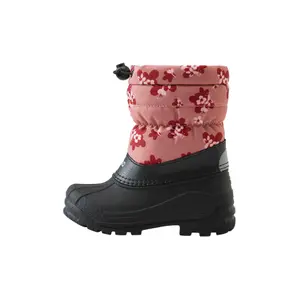

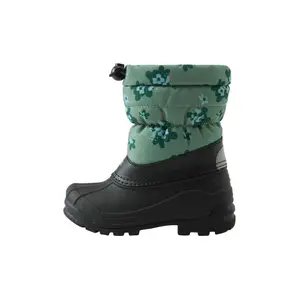


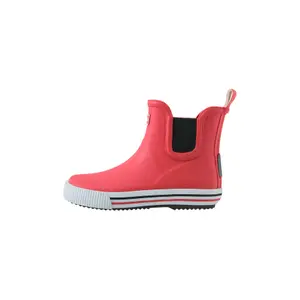


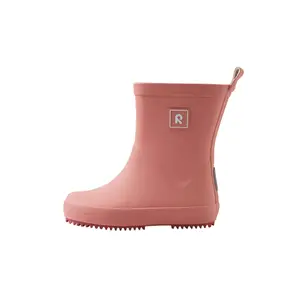


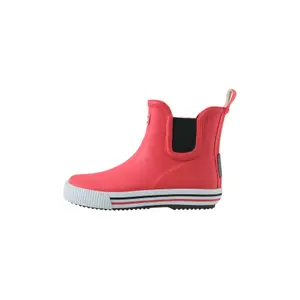


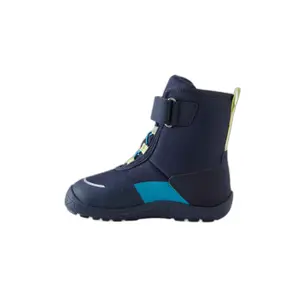
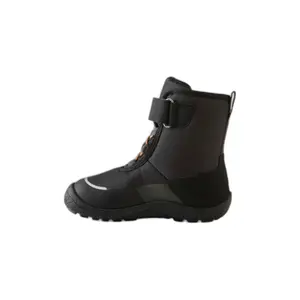


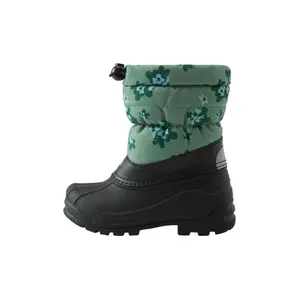

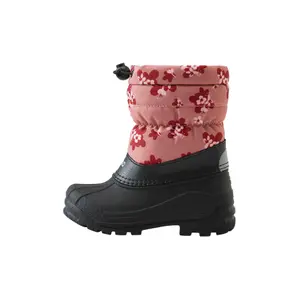


Reima children's boots come from Finland, where winter lasts for months and children play outside in all weathers. From lined snow boots and winter ankle boots to wellington boots, they combine Reimatec waterproof membranes, warm linings and soles that grip on snow and ice. They keep little feet dry all the way from the school run to holidays in the mountains.
Finnish winter, put to the test by children.
Boots tested by the Finnish winter
Reima has been clothing children since 1944, when it was founded in Kankaanpää, Finland. In a country where temperatures stay below freezing for much of the winter and playing outside every day is considered essential, the brand has built its expertise in outdoor clothing, from ski suits to boots.
Its children’s boots are designed for long hours spent in the snow, digging, sliding or building snowmen. They need to keep feet warm and dry without weighing them down, stand up to wear from sliding around and be easy to pull on, even with mittens on.
Other brands of children’s boots and ankle boots
To compare winter boots, the KangaROOS page features styles with a waterproof membrane and hook-and-loop fastening. For town and school, leather ankle boots from Kickers and Mod8 are suitable for dry weather, while canvas ankle boots from Victoria and Cienta take over in spring.
Reimatec membrane and sealed seams: stay dry
The brand’s winter boots use Reimatec technology. A waterproof membrane beneath the upper keeps water and slush out, while sealed seams close off weak points where moisture could seep in. The membrane also lets some of the vapour produced by the foot escape.
This double effect is essential for a child: snow melts when it comes into contact with the warmth of the foot, and a boot that lets water in soon becomes icy cold. Some styles show a recommended temperature range on their product page, which is a useful guide when choosing between a town boot and one for extreme cold.
Wool lining, treaded sole: warmth and grip
Inside, several Reima boots have a wool-blend lining or fleece, which keeps feet warm even when slightly damp. The insole is often removable, so it can be dried separately and the fit checked in an instant.
Underfoot, a treaded rubber sole grips packed snow and slippery pavements; some styles even have studs for ice. Hook-and-loop fastenings or elastic laces with quick tightening are easy to use with gloves on, while reflective details help make children visible during the dark winter afternoons.
Reima boots: get ready before the first snow
Ideally, choose snow boots before setting off on holiday. Black Friday comes around as people prepare for winter, and the festive season comes before the first weeks on the ski slopes. The winter sales are then a chance to complete your kit for the February holidays, before the spring French Days, summer sales and back-to-school season bring rain boots into focus. The shoe clearance page brings together past-season colours.
Frequently asked questions
Do Reima boots come up large?
The fit varies by style, and the brand gives the inner length in centimetres for each one. Measure the foot with a thick sock on and leave about one and a half centimetres of room in a snow boot.
Can you machine-wash Reima boots?
No, machine-washing these membrane boots is not recommended. Brush off snow and mud, wipe the upper with a damp cloth and leave to dry at room temperature, with the insoles removed.
Do you need snow boots for a week’s ski holiday?
Yes, for time spent off the slopes, in the village or sledging, waterproof, lined boots are essential. They are a much better choice than trainers, which get wet in just a few minutes in the snow.
Are Reima boots suitable for rain too?
Waterproof winter boots can handle rain, but their lining becomes too warm as soon as the weather gets milder. For rainy autumn and spring days, an unlined rain boot is more comfortable.
How can you stop snow getting into boots?
Pull the bottom of the snow gear over the boot’s upper, not inside it. A style with a high upper and a drawcord at the top keeps snow out even better.











