
Children’s ankle boots Victoria, the spirit of La Rioja


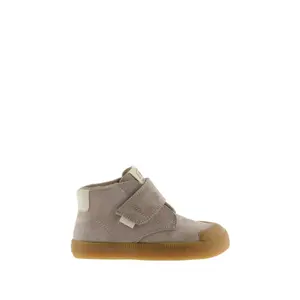
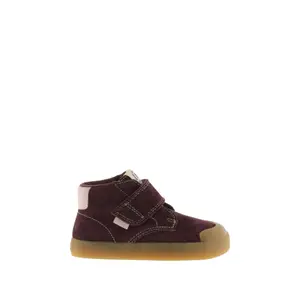
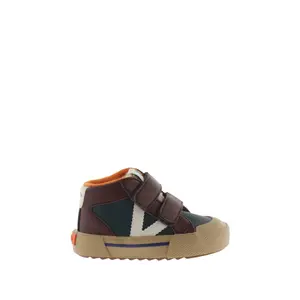

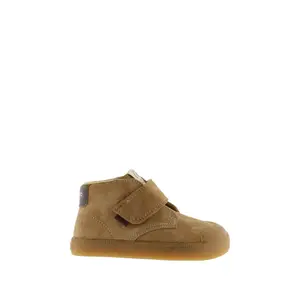


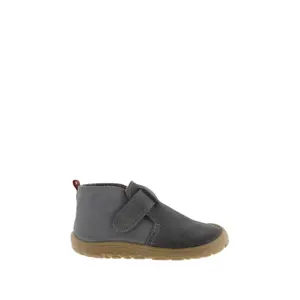


Victoria children's ankle boots extend the simple style that made the Spanish brand well known up to the ankle. Soft suede, leather-look material or thick canvas, a touch-fastening strap that children can manage themselves, and a rubber sole that grips on wet pavements: these ankle boots see girls and boys from the start of the school year through to the first days of spring.
Riojan craftsmanship, at ankle height.
Victoria, from a workshop in La Rioja to children's boots
Victoria was founded in 1915 in La Rioja, in northern Spain, where a young shoemaker, Gregorio Jiménez, named his first shoe after the woman he loved. In the 1950s, the company adopted vulcanisation, which permanently bonds the rubber sole to the upper, and its canvas shoe became a playground classic across Spain.
Children's boots use the same construction. They have clean lines, few logos, soft colours such as camel, khaki and grey, and a firmly attached rubber sole that stands up to slips on gravel and splashing through puddles.
Other children's boots to compare
If you're still undecided, there are other boot brands worth a look. The Kickers page brings together the French brand's leather boots with their chunky soles, while the Reima selection features Finnish boots designed for snow and damp, cold weather. For babies and toddlers taking their first steps, Cienta boots offer Spanish comfort, while the Mod8 and KangaROOS pages feature colourful styles that are easy to put on for school.
Suede, leather-look or barefoot: three materials for three uses
- Suede is soft straight away, with no breaking-in period. It suits dry, cool days, and it's best to apply a waterproofing spray before the first outing in the rain.
- Leather-look material, often paired with a rubber toe guard, stands up better to the scuffs caused by children braking with their toes or playing football in the playground.
- Barefoot styles have a thin, flexible, flat sole and a wide toe box that lets the toes spread out. They're for parents who prioritise feeling the ground underfoot.
Choosing the right size for Victoria boots
The safest method is to measure your child's foot rather than relying on the size of their last pair. Have your child stand on a sheet of paper, trace around both feet at the end of the day, when they are slightly swollen, and use the longer measurement. Add about one centimetre of extra room for growth and cushioning, then compare it with the insole length given on the product page.
For boots, remember to allow for winter socks, which are thicker than summer ones. Once the boot is on and the hook-and-loop strap is fastened, the heel should not lift when your child walks, and you should be able to feel a finger's width of space in front of the big toe.
Victoria boots: when to buy at the right time
Boots are often chosen when children's feet grow fastest, which is often between the two cold seasons. Black Friday falls right at the start of winter, and the festive season is a good time to give a warm, well-fitting pair. The winter sales are a chance to buy the next size up in advance, then the spring French Days and summer sales make way for end-of-line pairs in the shoe clearance. When the new school year begins, the new shoes range features boots arriving for autumn.
Frequently asked questions
Are Victoria boots suitable for both girls and boys?
Yes, most Victoria children's boots are unisex, in neutral shades such as camel, khaki, grey and navy. Some brighter or glittery versions are aimed more at girls, but the shape and construction are the same.
Can suede boots handle the rain?
Suede is more vulnerable to standing water than light rain. Apply a waterproofing spray to a new pair and reapply it every few weeks. If the boots get wet, leave them to dry away from a radiator, then brush the nap with a suede brush to restore its volume.
At what age can children wear barefoot boots?
Children can wear barefoot boots once they can walk confidently. However, the thin sole takes some getting used to: alternate them with more traditional shoes for the first few days and see how tired your child is after a long walk.
Hook-and-loop straps or laces: which fastening is best for nursery?
Hook-and-loop straps are best before the age of six, as children can put their shoes on by themselves after a nap or playtime without waiting for an adult. Check that the strap covers the instep properly and fastens securely, so the heel doesn't slip.
How do you clean a canvas Victoria boot?
First, brush off the mud once it's dry, then scrub the canvas with a sponge and a little diluted Marseille soap. Rinse with clean water without soaking the sole, and leave the boots to air-dry, stuffed with newspaper to help them keep their shape.











