
Children’s boots and wellies, from puddles to snow


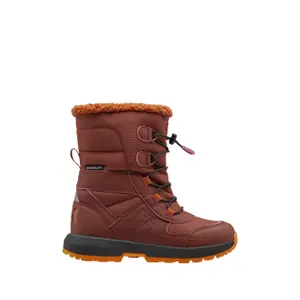
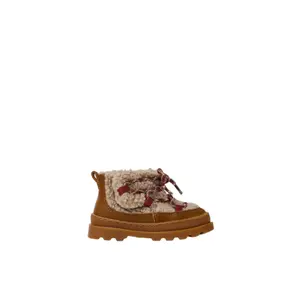
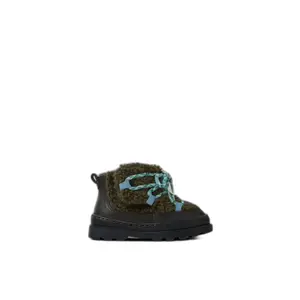
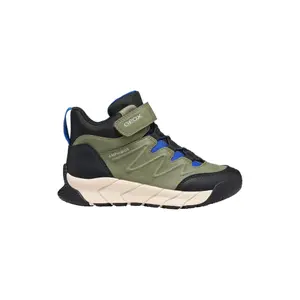
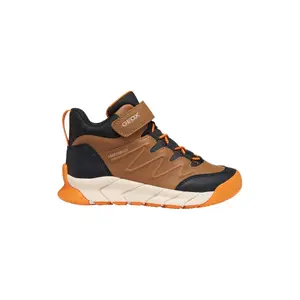
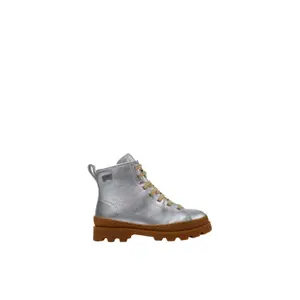
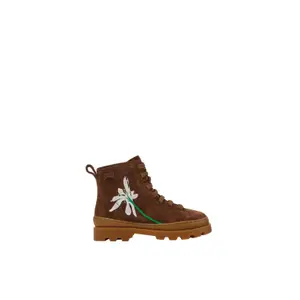

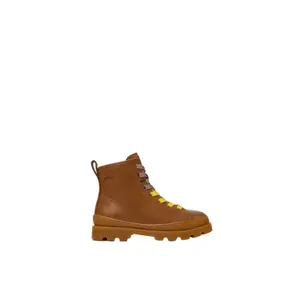
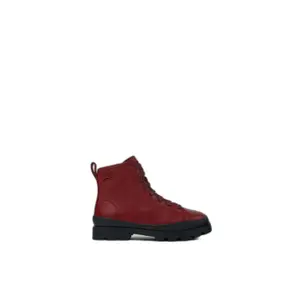

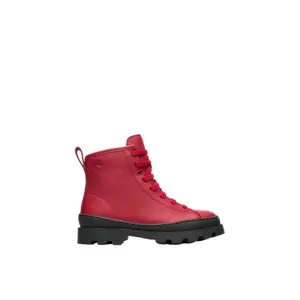


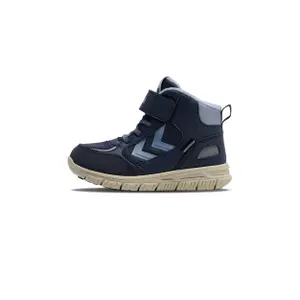
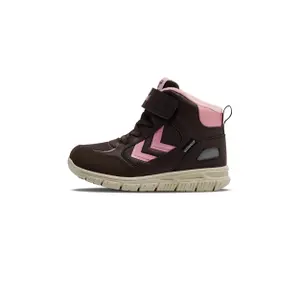


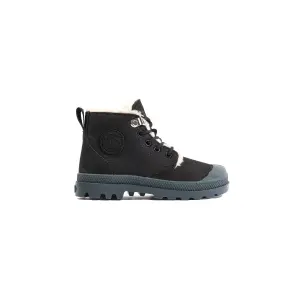


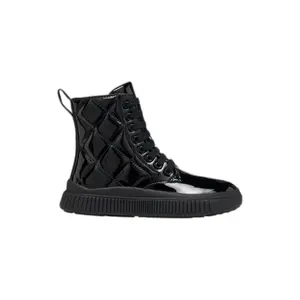


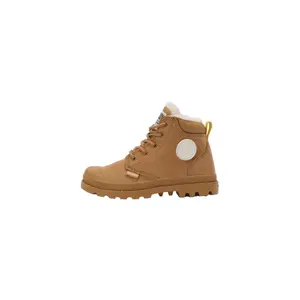

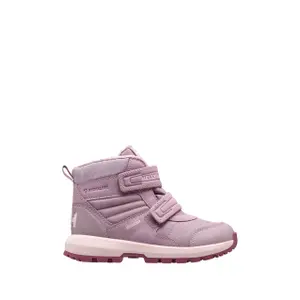
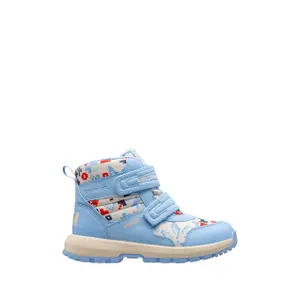
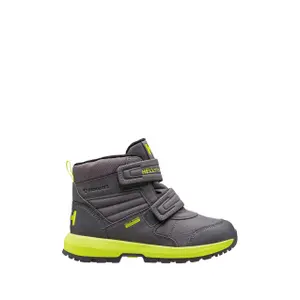


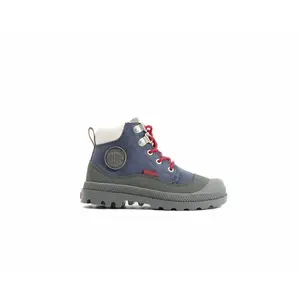


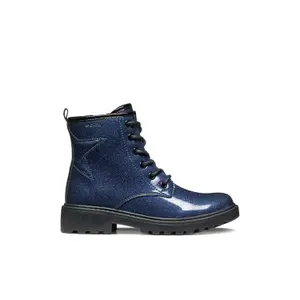

Children’s ankle boots and boots take over from trainers as soon as autumn arrives. Leather ankle boots for school, rubber wellies for jumping in puddles, and lined, waterproof winter boots for the snow: each style is suited to different weather and uses. For girls and boys, from toddlers to teenagers, this selection brings together brands known for their durability.
Keeping little feet dry until the warmer weather returns.
Ankle boots, wellington boots or winter boots: three different uses
An ankle boot comes just above the ankle. Made from leather, nubuck or canvas, with a zip, laces or elasticated side panels, it can be worn to school or around town and replaces trainers throughout the cold season. A wellington boot, made from rubber or moulded synthetic material, is waterproof from sole to top: it’s the shoe for puddles, mud and woodland walks, best kept for wet days as it doesn’t breathe.
A winter boot combines a waterproof upper, a warm lining and a chunky sole that grips on packed snow. It is a must for ski holidays or regions where cold weather sets in, but can be too warm for a full day in the classroom.
Children’s ankle boot and boot brands
Each brand has its own speciality. The Kickers page brings together leather ankle boots inspired by the famous Kick Hi, while the Reima page features Finnish boots designed for snow and rain. KangaROOS winter boots with a waterproof membrane fasten with hook-and-loop straps, while the Mod8 collection features ankle boots from a French children’s footwear specialist. For mid-season, vulcanised canvas ankle boots from Cienta and Victoria add a touch of lightness and colour.
Chelsea, Pampa, Airport: tried-and-tested styles
- The Chelsea ankle boot by Blundstone, a brand founded in 1870 in Hobart, Tasmania, slips on easily thanks to its elasticated gussets and rear pull tab, with no laces to tie.
- The Pampa by Palladium, a canvas ankle boot inspired by post-war military footwear, is available in a zip-up version for children.
- Geox Himalaya ABX winter boots combine Amphibiox waterproof technology with a warm lining.
- Airport wellington boots by French brand Méduse are available from baby sizes, while EMU Australia boots are all about the warmth of wool.
What size boot for a child to wear all winter
Choose boots with a little more room than trainers. Children wear thick socks with them, and their feet need to be able to move inside: a squeezed foot gets cold more quickly because of poor circulation. Allow around one to one and a half centimetres between the longest toe and the front of the boot, measuring your child with socks on.
For wellington boots, check the calf measurement too: a shaft that is too tight makes walking uncomfortable, while one that is too wide lets water and mud in. For an ankle boot with a zip, check that it slides smoothly without catching the sock, and choose one with an inner gusset to stop water getting in through the opening.
Children’s ankle boots and boots: when to stock up
Boots often need replacing each winter as children’s feet grow. Black Friday comes around as the first cold weather sets in, and the festive season is a chance to give snow boots before the ski holidays. The winter sales are a good time to get the next size up, then the spring French Days and summer sales bring wellington boots into focus, right up to the start of the school year. The shoe clearance page brings together styles from previous winters.
Frequently asked questions
How do you dry wet children’s ankle boots?
Remove the insole, stuff the boots with newspaper and replace it after a few hours. Leave them to dry at room temperature, never next to a radiator, which can harden the leather and loosen the soles.
Do wellington boots make feet sweat?
Yes, waterproof rubber doesn’t let moisture escape. Cotton or wool socks absorb sweat, and it’s best to take the boots off once indoors rather than wear them all day.
How do you waterproof children’s leather ankle boots?
Spray clean, dry shoes with a waterproofing spray suitable for leather or nubuck, from about 20 centimetres away. Repeat every few weeks during rainy weather.
Can children wear winter boots all day at school?
A lined boot can quickly become too warm in a heated classroom and make feet sweat. If the school allows it, pack slippers, or choose a lightly lined ankle boot for days without snow.
How can you help a toddler put on wellington boots?
Choose a style with handles or loops at the top, which the child can pull themselves to slide their foot in. A sock pulled up smoothly, without any creases, also makes it easier to get the heel in.











