
Children’s ankle boots Kickers, the heritage of the Kick Hi
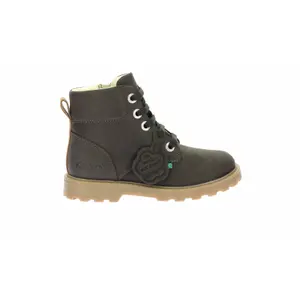
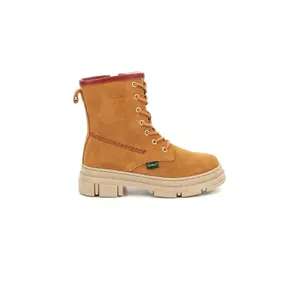
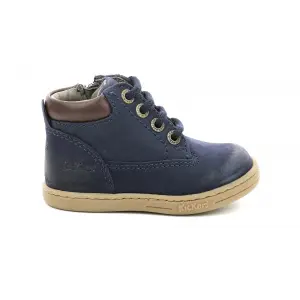
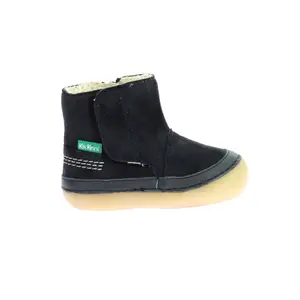
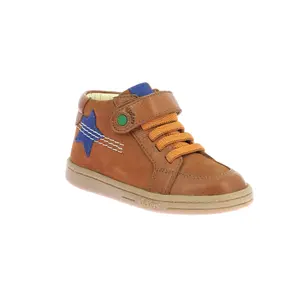
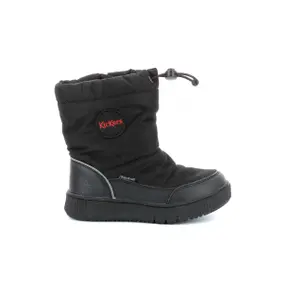
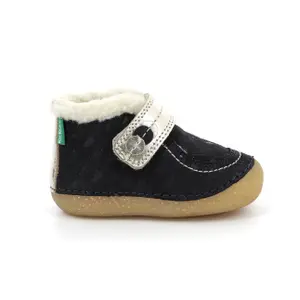
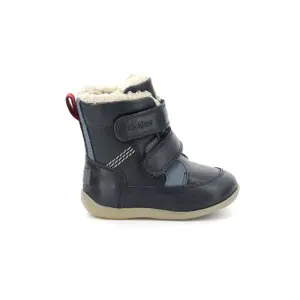
Children’s Kickers boots are direct descendants of the Kick Hi, the high-top boot launched by the French brand in 1975. Smooth leather or nubuck, a rubber sole, laces often paired with a zip and red and green labels on the side: they see children through school all autumn and winter, from nursery to secondary school.
The boot that spans generations.
The Kick Hi, the boot that made Kickers famous
Founded in 1970 by Daniel Raufast, Kickers launched the Kick Hi five years later: a high-top leather lace-up boot with a thick rubber sole. Its rounded shape and visible stitching quickly made it a classic, worn by generations of schoolchildren on their first day back.
Kickers boots for children keep the same signature details: a top that wraps around the ankle, a round toe with room for the toes, a treaded sole and the famous red and green tags, stitched to the outside of the shoe. Some children are so attached to these little tags that a pair without them seems suspicious.
Other brands of children's boots
For comparison, the Mod8 page features boots from another French children's footwear brand, which belongs to the same group as Kickers. Winter boots from Reima and KangaROOS use a waterproof membrane for snow, while canvas boots from Victoria and Cienta are lighter for in-between seasons.
Laces, zips and high tops: getting ready quickly in the morning
A lace-up boot holds the foot securely, but rarely takes just a few seconds to lace up before heading to school. Many Kickers boots for children therefore have a side zip: the laces are adjusted once, and the child can put the shoe on or take it off simply by pulling the zip. For younger children, hook-and-loop fasteners replace the laces.
The high top protects the ankle from knocks and twists in the playground, while a padded collar prevents rubbing against the ankle bone. Before buying, have your child walk a few steps: the heel should not lift, and the zip should slide without catching the sock.
Looking after leather or nubuck Kickers boots
Smooth leather can be cleaned with a soft, slightly damp cloth, then treated from time to time with shoe polish or colourless cream to revive its colour and protect it from scuffs. Nubuck, with its velvety feel, needs a special crepe or rubber brush to raise the nap and remove marks. Never use shoe polish on it.
Before the first rains, a waterproofing spray suited to the material helps prevent watermarks. After a wet day, leave the boots to dry in the open air, stuffed with paper and away from the radiator: too much heat can crack the leather and loosen the sole. With good care, a pair can often be handed down to a brother or sister.
Kickers boots: when to get ready for the new school year and winter
Kickers boots are worn from October until the first warm days, and there are several opportunities to shop throughout the year. Black Friday and the festive season are a good time to kit your child out for the depths of winter, while the winter sales are a chance to buy the next size up in advance. The spring French Days and summer sales come before the new school year, a traditional time to buy a new pair. Styles from previous collections are gathered on the shoe clearance page.
Frequently asked questions
Do Kickers boots come up large?
According to parents' feedback, some Kickers boots come up slightly large, while others are true to size. Measure your child's foot with a winter sock on and check the size guide for the style.
Are Kickers boots suitable for wide feet?
The round toe and leather upper generally leave room at the front of the foot, but widths vary between styles. For a wide foot, choose a zip or hook-and-loop fastening, which opens wider.
How can you tell if Kickers boots are genuine?
The red and green tags stitched to the outer side and the brand name on the sole are the most visible signs. Buy from a trusted retailer to avoid counterfeits.
Should you soften new leather boots before wearing them?
Boots in the right size should not hurt. Have your child wear them for a few hours at home during the first few days, so the leather can mould to their foot before a full day at school.
Are Kickers boots suitable for snow?
Once waterproofed, they stand up well to light rain, but they are not designed for deep snow. For a ski holiday, choose a lined, waterproof winter boot.













