
Origami for children: kits and paper folding
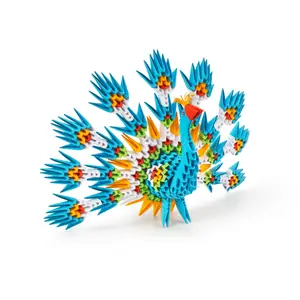
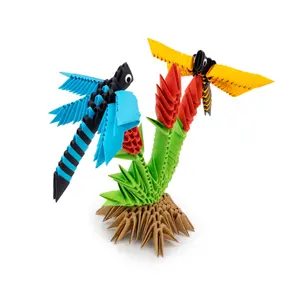
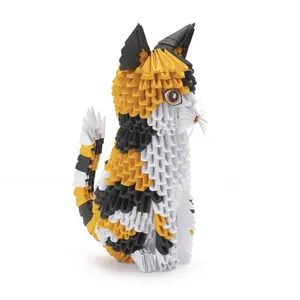
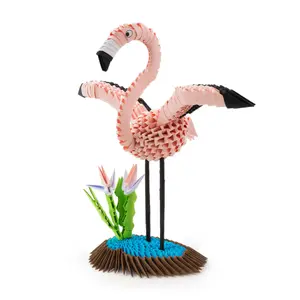

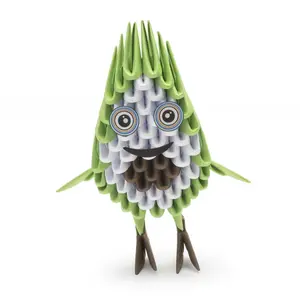
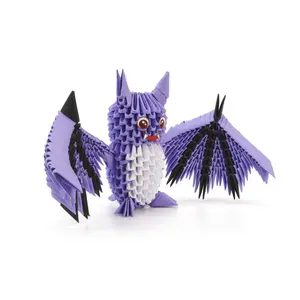
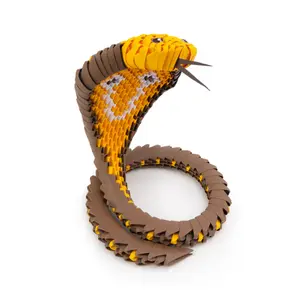
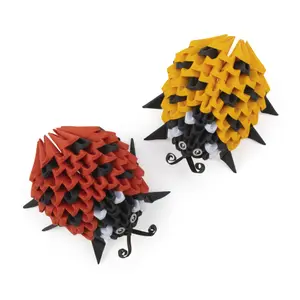
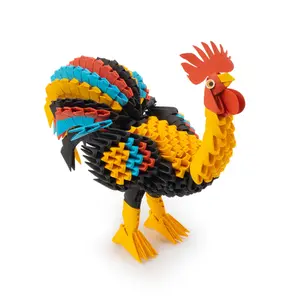
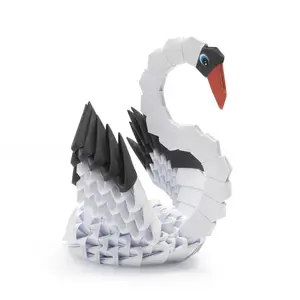
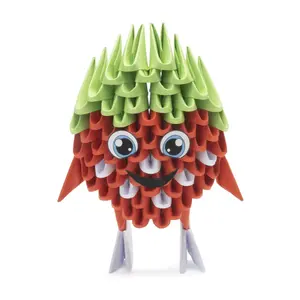
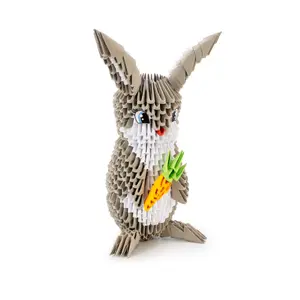
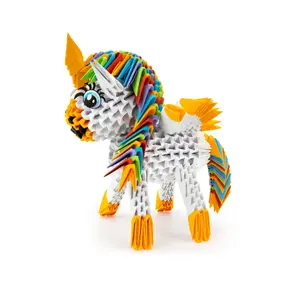
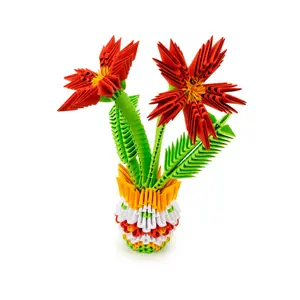
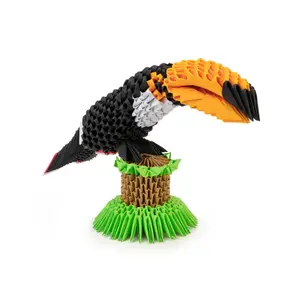
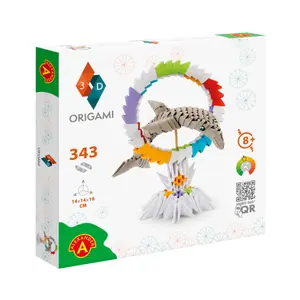
Born in Japan, origami turns a simple sheet of paper into an animal, a flower or a box, without glue or scissors. For a child, it’s an excellent way to practise concentration and fine motor skills: they need to follow a diagram, make each fold carefully and watch the shape appear. From easy first folds to three-dimensional kits, there’s a level for every age.
A sheet of paper, a few folds, and the shape appears.
Easy origami: what age to start
Children can try their first folds at around four or five years old, with an adult: folding a sheet in half, then into a triangle, is enough to make a hat, a boat or a dog’s head. The child learns to line up two corners and press down the crease with a fingernail—two steps that require more precision than you might think.
Between six and eight years old, they can follow an illustrated diagram with around ten steps on their own, such as a crane or a jumping frog. The diagram symbols—dashes for a valley fold, and dashes and dots for a mountain fold—come from the system devised by the Japanese master Akira Yoshizawa and introduced in the West in the early 1960s. From the age of ten, complex models become accessible.
Colouring, painting, music: other creative activities
A successful origami creation often calls for a little colour: the felt-tip pens and notebooks on the colouring page are useful for decorating a white paper creation, while the painting page has everything you need to create a setting for the folded animals. For a change of pace, the music page brings together instruments and sound toys.
3D origami: how assembled modules work
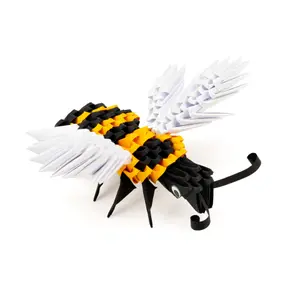
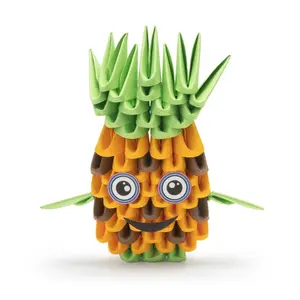
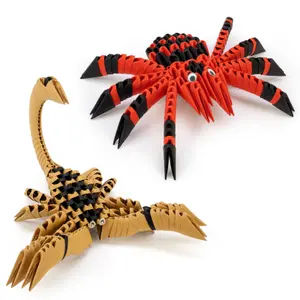
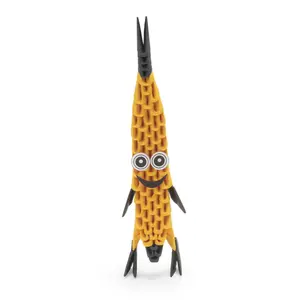
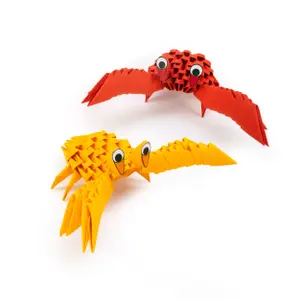
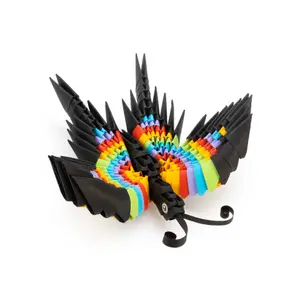
3D origami, or modular origami, doesn’t start with one large sheet: you fold dozens, sometimes hundreds, of identical little triangular modules, then slot them together to build a sculpture in three dimensions, without glue. The peacock and dragonflies from HQ-Invento use this method: the kit includes the paper and a guide to help you assemble it step by step.
This is a long-term activity, best suited to children aged eight and over: folding the modules is repetitive and soothing, while assembly calls for a methodical approach. The project can take several afternoons, and the finished creation can then be kept as a decoration in the bedroom.
Which paper to choose for folding with a child
Classic origami paper, simply called kami—Japanese for paper—is a thin square, coloured on one side and white on the other, usually fifteen centimetres across. Its thinness makes it possible to create crisp, layered folds without the paper getting too bulky, while the difference in colour between the two sides helps the child keep track of where they are in the diagram.
For beginners, a larger size, around twenty centimetres, makes the folds easier. To start with, avoid paper that’s too thick, as it’s hard to fold and tears at the corners, as well as paper that’s too slippery. A printer sheet cut into a square is fine for practice, but proper origami paper soon makes a difference with models that have lots of folds.
Origami kits: great deals and gift ideas
A three-dimensional origami kit makes an unusual gift for a patient child. Black Friday and the festive season are a good time to choose one, before the winter sales, which are perfect for long January afternoons. The spring French Days, summer sales for the holidays and back-to-school season follow; clearance can also bring some great finds.
Frequently asked questions
What does the word origami mean?
The Japanese word combines ori, meaning fold, and kami, meaning paper: it literally means the art of folding paper. The first known book devoted to this pastime, Senbazuru Orikata, was published in Japan in 1797 and showed folded cranes joined together.
What easy origami can you make with a five-year-old?
A boat, a hat and a cat’s head only take a few simple folds. Show each step on your own sheet, facing the child, then let them copy the fold before moving on to the next one.
Why is origami good for concentration?
Each fold depends on the one before it: the child has to look at the diagram, follow the steps in order and control their movements. This sustained attention, combined with a visible result, builds patience, fine motor skills and spatial awareness.
How do you make origami stay together without glue?
A well-creased model holds its shape on its own: run a fingernail or the back of a spoon along each fold. In modular models, the pockets and points on the modules slot together and hold each other in place.
What can you do with origami once it’s finished?
Hang it from a thread to make a mobile for the bedroom, or place it on a shelf as part of a little collection. Folded cranes can also be strung together to make a garland, and a well-made creation can be tucked into a birthday card.













