
Paint for children, from finger painting to brushes




Children’s paint is first used with hands, then with a big brush, and finally with more precise tools. There’s a paint for every age: thick, washable textures for little ones, gouache for nursery, and watercolours and paints for model figures for older children. Chosen well, it lets children create freely without turning the house into a building site.
Paint suited to every age.
Which paint should you choose for a child aged one to three?
Before the age of three, finger paint is the best choice: thick, it can be spread around with hands and lets children discover colours through touch. These paints come under a specific standard, EN 71-7, which sets out the list of permitted substances and labelling requirements, as toddlers put their fingers in their mouths and keep paint on their skin for a long time. Check for this marking and the minimum age on the packaging.
At around two or three years old, a short, thick-handled brush, stable pots and a large sheet fixed to the floor or a protected table are all you need. Offer just two or three colours: this lets children discover how colours mix without turning everything brown.
From brushes to notebooks: other creative activities
Painting goes well with other hobbies. The colouring page brings together books and colouring materials for days when you want to create without getting the paint pots out, origami provides paper shapes to decorate afterwards, and the music page offers instruments and sound toys to accompany a painting session with music.
Gouache, watercolour, acrylic: what’s the difference?
Gouache is the paint used at nursery: water-based, opaque and covering, it can be diluted to varying degrees to create solid blocks of colour and is easy to correct. Watercolour, on the other hand, is transparent and uses layers of light colour. It requires care with the amount of water, and tends to appeal more to children aged six or seven and up.
Acrylic dries quickly and is water-resistant once dry, making it ideal for painting wood, cardboard or pebbles, but a nightmare on clothes. Leave it for older children, with an apron, and rinse the brushes before the paint hardens in the bristles.
Painting miniatures: a hobby for older children
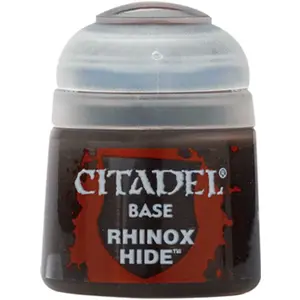
From the age of ten or twelve, many children discover miniature painting, especially for tabletop strategy games. It involves using a fine brush on pieces just a few centimetres tall, in several stages: undercoat, base colours, then shadows and highlights. AK Interactive, a Spanish manufacturer of paints for modelling and miniatures, offers a range designed for wargaming.
Its washes are very thin paints that flow into the recesses of the sculpt and bring out the details in one go. It’s a simple technique that quickly gives beginners a pleasing result. Work in a well-ventilated room and keep the pots out of reach of younger brothers and sisters.
Painting supplies: when to look out for offers
Gouache pots run out quickly during the holidays, and a painting set makes a lovely gift. Black Friday and the festive season kick off the gift-set season, then the winter sales are a good time to stock up. The spring French Days and summer sales help you get ready for holiday workshops, before the new school year and its supplies. The new arrivals feature the latest creative kits.
Frequently asked questions
How do you get paint stains out of a child’s clothes?
Act before the paint dries: scrape off the excess, rinse from the back with cold water, then rub with Marseille soap before machine-washing. For acrylic paint that has already dried, dab with household rubbing alcohol after testing it on a hidden area.
What sort of apron should you use for painting?
A waterproof, long-sleeved apron that fastens at the back offers better protection than a simple kitchen apron. Choose one to fit the child so it covers their knees without restricting their movement, and keep an old adult shirt handy as a back-up.
How do you set up a painting session at home?
Cover the table with an oilcloth, put the pots in a tray with raised edges and keep a damp glove within reach. Get out just a few colours at a time and set aside time to tidy up together.
Can you still use gouache that has dried out?
Often, yes: a few drops of water and a little patience are enough to rehydrate gouache in a pot or pan. However, throw it away if it smells bad or has mould on it, and close the pots properly after each session.
How can you paint with a child without using a brush?
Cut-up sponges, bottle tops, cardboard tubes or leaves can be used as stamps to make patterns that you can’t create with a brush. Blowing paint through a straw and making handprints are also popular with three- to six-year-olds.











