
Costumes for children, girls and boys


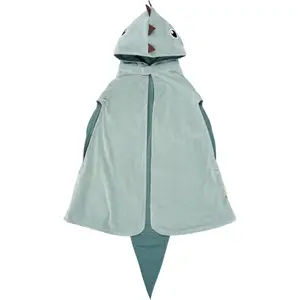





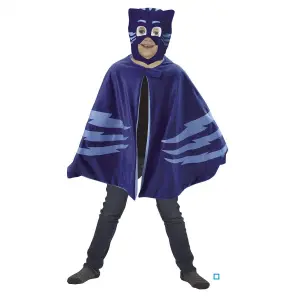


A children's fancy dress costume opens the door to pretend play: for an afternoon, a birthday party or Halloween, you can become a knight, astronaut, fairy or firefighter. The best ones are easy to wear, stand up to all the rolling around and let children move freely, from a full costume to a cape, mask or headband that’s enough to transform them into a different character.
A cape, a mask, and the adventure begins.
What costume size should you choose for your child’s age?
Costume sizes are usually given by age, from two to twelve years, and sometimes in letters from S to L. The age shown corresponds to average height: if your child is tall for their age, or if the costume will be worn over a thick jumper in the middle of winter, go up a size. A slightly loose costume can be tightened with a belt, while one that is too short will soon restrict movement.
Accessories such as capes, wings, masks and headbands are generally one size fits all, making them safe gifts that can be used for several years. The dragon or spaceship wings from Fabelab, for example, go over everyday clothes.
Soft toys, figures and cars: keep the play going
Costumes are often paired with other toys for imaginative play. Soft toys and dolls become the king’s subjects or the doctor’s patients, figures bring favourite heroes to life in miniature, and cars and tracks complete a firefighter’s or pilot’s outfit. To make an accessory yourself, creative activities provide paper, paint and felt tips.
Knight, astronaut, fairy: costumes in organic cotton
The Danish brand Fabelab, based in Copenhagen, designs costumes that feel more like play clothes than fancy-dress outfits: a padded knight’s armour, an astronaut or builder’s outfit, and a moon fairy’s cape and tutu. They are made mainly from GOTS-certified organic cotton, which is softer and more breathable than shiny synthetic fabrics, so they can be worn for a long time without feeling uncomfortable.
Their simple style and soft colours make them suitable for everyone and easy to mix and match: the padded fabric shield and sword complete the armour without risking injury to a brother or friend. The knight’s armour is recommended from the age of three.
Cartoon heroes and mermaid tails
Cartoon characters are still the most popular choice. Amscan, an American party specialist founded in 1947 in the state of New York, dresses Paw Patrol fans as Chase, the police German Shepherd, including a version that glows in the dark, and Marshall, the firefighter Dalmatian. The Yoyo mask by Jemini turns your child into a PJ Masks hero in an instant.
The mermaid tail by Kuaki Mermaids is a special case: made in Spain and fitted with a monofin, it is worn in the water. It is only suitable for children who can already swim, and they must always be supervised by an adult, as their legs are held together.
Costumes: Halloween, carnival and great deals
Costumes are best planned ahead of big occasions: Halloween in late October, carnival and Shrove Tuesday in winter, and birthdays all year round. Black Friday and the festive season are good times to put an outfit under the Christmas tree, while the winter sales come just before carnival. The spring French Days, summer sales and back-to-school season follow; clearance toys and games are another way to add to the costume box.
Frequently asked questions
How can you tell if a costume is safe?
Check for the CE marking: it confirms that the costume complies with toy regulations, including the EN 71-2 standard, which limits how quickly flames can spread across costumes. Always keep children in costume away from candles and lit pumpkins.
What Halloween costume should you choose for a child?
For younger children, a gently spooky character, such as a bat, a little dragon or a ghost, is fun without being frightening. Add something reflective or a lamp if they are going trick-or-treating at dusk.
How should you store children’s costumes?
A toy chest or open basket placed at child height lets them choose and put things away by themselves. Hang delicate costumes on hooks and keep small accessories, masks and headbands together in a separate box.
Can you machine-wash a costume?
Cotton costumes can usually be washed at thirty degrees, inside out, like play clothes. Padded or glittery pieces, or those with rigid elements, often need to be hand-washed: follow the care label.
Why do children love dressing up so much?
Dressing up encourages imaginative play, which is essential between the ages of two and seven: children try out different roles, express their feelings and learn to put themselves in someone else’s shoes. They also gain confidence by playing a brave hero.











