
Soft toys, comforters and dolls: children’s companions
A comforter to cuddle to sleep, a soft toy that goes on holiday, a doll to dress and rock: soft toys and dolls are often a child’s first companions. They offer comfort when you’re apart, inspire pretend play and accompany children through big milestones, from nursery to school.
Softness, cuddles and stories to make up.
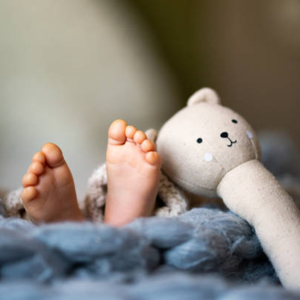
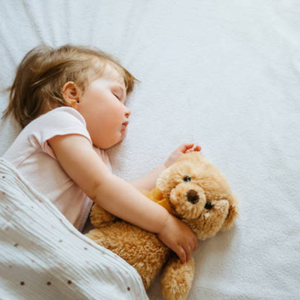
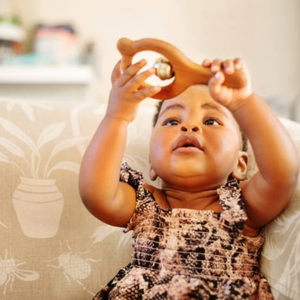
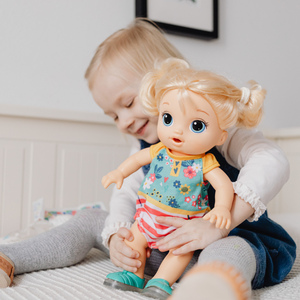
Comforters, soft toys, dolls: the right companion at every age
From birth, a lightweight, noisy fabric rattle catches a baby’s attention and is easy to grasp. A flat, soft comforter becomes a source of comfort over the first few months; however, sleep guidance recommends keeping the cot free of soft toys and pillows during the first year, saving the comforter for cuddles and awake time.
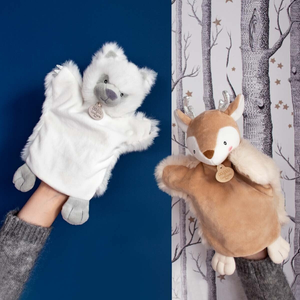
Soft-bodied baby dolls are suitable from around nine months or a year, followed by larger dolls to dress at around two years. Large soft toys and puppets are great for role play from the age of three, when children start making up dialogue and stories.
Comforters, rattles and puppets: our picks
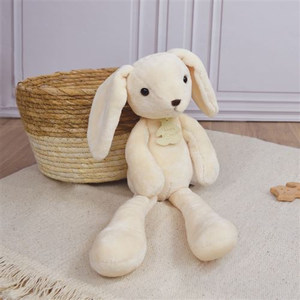
Each companion has its own page. Comforters bring together flat, cosy styles for first age, soft toys feature animals and characters to cuddle, and rattles are a baby’s first noisy toys. Dolls include baby dolls and accessories, puppets bring shows to life at home, and moving toys entertain little ones with their movements.
Corolle, Fabelab, Bon Ton Toys: distinctive brands
- Corolle, founded in 1979 in Langeais, near Tours, gives its dolls a vanilla scent; its 30-centimetre baby dolls are suitable from nine months, and their miniature wardrobes can be added to on every birthday.
- Fabelab, a Copenhagen brand, makes its soft toys and comforters from organic cotton, in gentle colours and simple shapes.
- Bon Ton Toys makes Miffy, the little rabbit created in 1955 by Dutch illustrator Dick Bruna, even in corduroy.
- Rainbow Designs brings together classic Winnie the Pooh and characters from the wizarding world, such as Dobby as a rattle or the owl Hedwig as a comforter.
How to wash and care for a comforter without damaging it
A comforter that’s been chewed, dragged along the floor and taken to nursery needs regular washing. Check the label first: most soft toys can go in the washing machine at 30 degrees on a delicate cycle, inside a laundry bag or zipped pillowcase. Avoid tumble drying, which mats the fur and distorts the stuffing; air-drying flat helps keep them soft.
Sound- or light-up soft toys, such as Jemini’s Jeminosaures, should be surface-cleaned with a damp glove, without soaking, to protect their mechanism. To avoid the upset of losing one, many parents buy a spare comforter and alternate the two so they wear out and smell the same.
Soft toys and dolls: the best times to give them
Soft toys and dolls are among the most popular gifts for newborns and Christmas. Black Friday is a good time to get ready for the festive season, the winter sales are ideal for adding to a doll’s wardrobe, and the spring French Days and summer sales are a chance to find a travel companion for the holidays. At the start of the school year, a spare comforter can come in handy before nursery, alongside new toys and games and clearance items.
Frequently asked questions
How do I choose a safe soft toy for a newborn?
Look for the CE mark and mention of the EN 71 standard, and choose embroidered eyes and a nose rather than glued or sewn-on parts that could come loose. A small size and washable fabric are also good things to look for.
What should I do if my child loses their comforter?
Start by retracing the day, including nursery, the car and the park. If the comforter can’t be found, an identical one, washed once or twice to give it the smell of home, is often accepted, especially if you introduce it without making a fuss.
Why do Corolle dolls smell of vanilla?
The vanilla scent is the brand’s signature fragrance: it’s infused into the vinyl parts—the face, arms and legs. This gentle, familiar smell helps children bond with their doll, and gradually fades over time.
Do boys play with dolls too?
Of course. Playing with dolls means copying what parents do—feeding, putting to bed and caring for them—and this kind of pretend play develops empathy and language in all children. A baby doll or a soft toy to look after makes a lovely gift for any child.
At what age does a puppet start to entertain a child?
From their first few months, babies follow a puppet moved by an adult with their eyes and respond to its voice. At around three, they can put themselves into a hand puppet and make up little conversations, which is great for developing language.













