
Educational games for fun learning
Starting at £205.98
£191.93
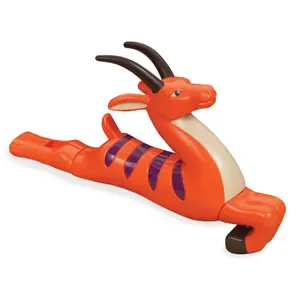
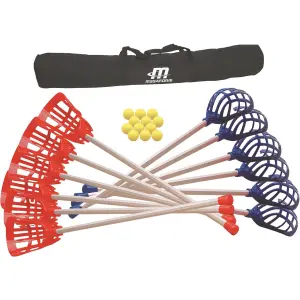
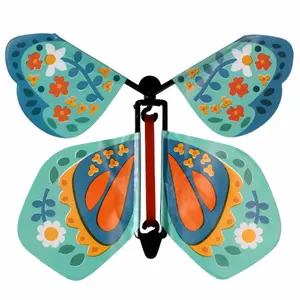
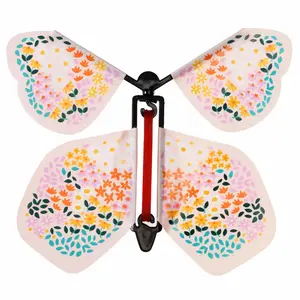
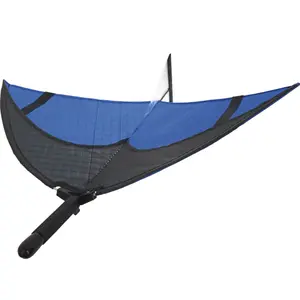
Catch a magnetic fish, land your first spike with a kendama, fly a glider or blow a giant bubble: educational games turn skills into challenges. Dexterity, concentration, hand-eye coordination, patience and counting skills are practised without even noticing, at home, in the garden or at the beach.
Every challenge completed is a lesson learned.
Which educational toy to choose from eighteen months to eight years
At around eighteen months, children like pushing, pouring and watching: a wooden push-along car keeps them company as they take their first steps, and soap bubbles fascinate them. At three, they can hold an ink stamp, aim with a magnetic fishing rod or sort shapes and colours.
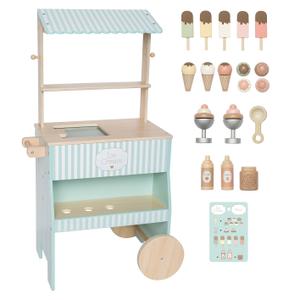
Between four and six, pretend-play toys, such as a wooden ice cream shop, teach them to serve, count the scoops and give change. After six, they look for more challenging games that test their skill: the yoyo, kendama or outdoor throwing games, where they can measure their progress from one try to the next.
Toy kitchens, dressing-up, music: related toys
Other toys that encourage learning help round things off. toy kitchens and tea sets help develop language and sharing around an imaginary meal, while dressing-up clothes invite children to step into another role. A doctor's kit helps put them at ease before a medical appointment, and musical instruments develop listening skills and a sense of rhythm.
Kendama, yoyo, magnetic fishing: focus through skill
The kendama is a traditional Japanese game: a wooden handle with two cups and a spike, connected by a string to a hole-pierced ball that players have to catch. The Danish brand Krom, founded in Copenhagen in 2010, has turned it into an urban pastime; its Pop Lol model, made from beech and coated in a clear varnish, is suitable for beginners. The first moves can be learnt in a few minutes, while advanced tricks take months.
The yoyo from YoYoFactory also calls for rhythm and precise wrist movements. For younger children, the magnetic fishing game Rex London Let's Go Fishing develops hand-eye coordination: they have to keep the rod steady so the magnet can catch the fish.
Bubbles, balls and gliders: learning outdoors
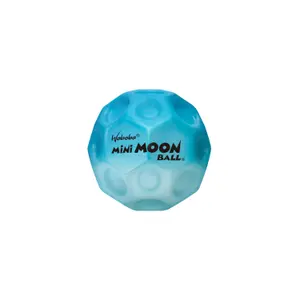
Outdoors, every game becomes a little physics lesson. The Moon Ball from Waboba, a Swedish brand founded in Stockholm, bounces very high thanks to its cratered surface; children learn to anticipate its path so they can catch it. The wands and giant bubble loops from Tuban show how a thin film of soap stretches before bursting into colourful reflections.
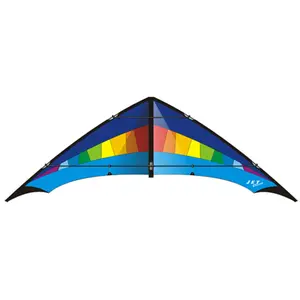
The hand-launched glider HQ Kites Airglider Easy introduces children to lift and the effects of the wind. For target practice, the Nerf Power Howler bow and its soft arrows help build accuracy, while BEX Ladder Golf, with bolas to hook over the rungs, requires players to keep score to exactly twenty-one.
Educational toys: the best times to enjoy them
Educational toys are often bought for birthdays or holidays. Black Friday and the festive season are popular times for indoor gifts, kendama and fishing games. After the winter sales, the spring French Days and summer sales come at just the right time to kit out the garden and beach before the new school year. It's worth checking the toys and games clearance regularly.
Frequently asked questions
Does the age on the box match the difficulty level?
Not always: the age label is mainly about safety, especially small parts that are not suitable for children under three. To judge the difficulty, look instead at your child's abilities and patience when faced with a challenge.
Is kendama too difficult for a six-year-old?
No, they can master the first tricks quickly, such as landing the ball in the large cup. More technical sequences take practice, making it a great way to build perseverance over the coming years.
Are soap bubbles safe for toddlers?
The liquid must not be swallowed and can sting the eyes: keep the bottle within an adult's reach and let your child catch the bubbles rather than blowing them on their own before the age of two or three. Rinse their hands after playing.
Which game should I take on a beach holiday?
A lightweight ball that bounces on water or sand, an easy-to-carry throwing game and bubbles will keep the whole family busy. Afterwards, rinse the toys with fresh water to remove salt and sand, which can damage strings and seams.
How can I motivate a child who gives up on a challenge quickly?
Set small goals: make three catches, then five, and note their progress on a sheet of paper. Playing alongside them and being willing to miss too shows them that failure is part of learning.













