
adidas shoes for babies, from nursery to the park


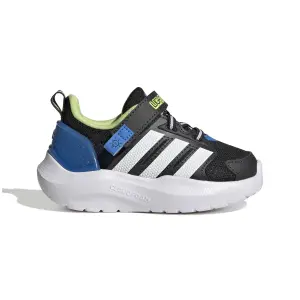
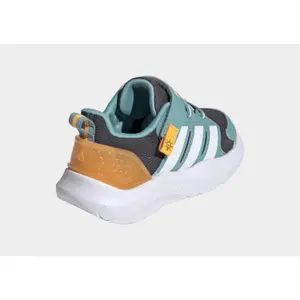
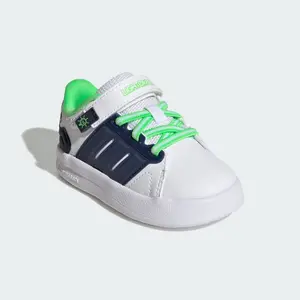
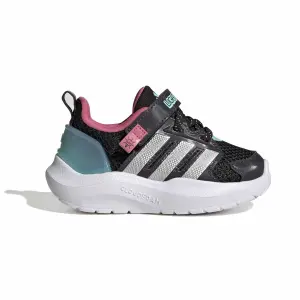
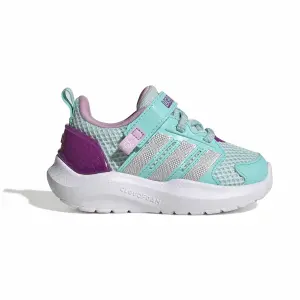
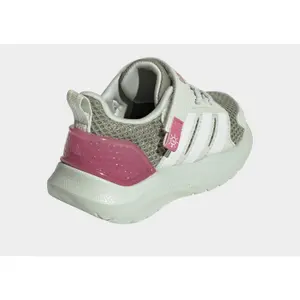


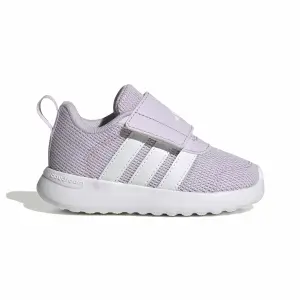


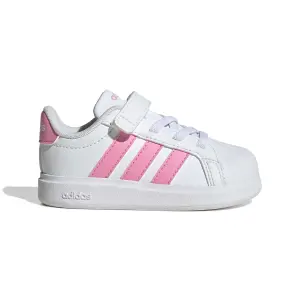

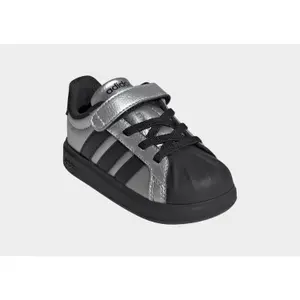


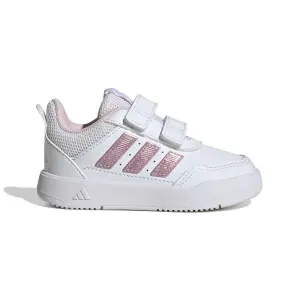

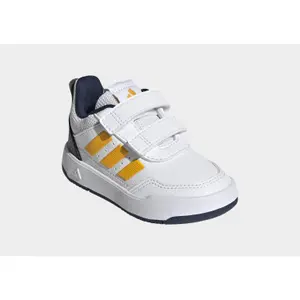
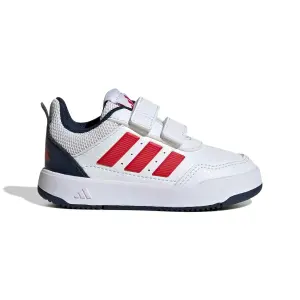


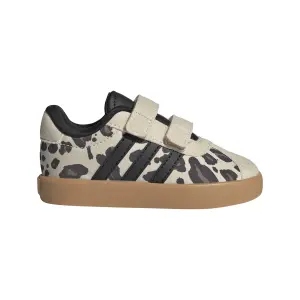
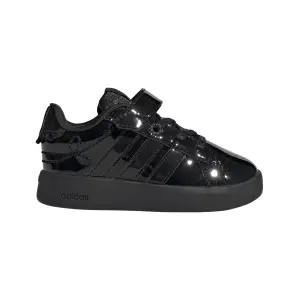
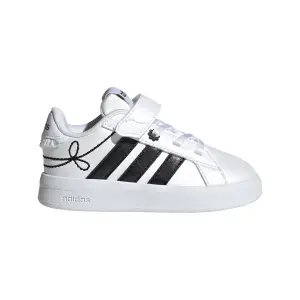
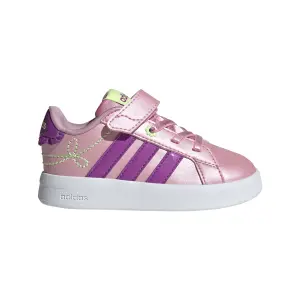
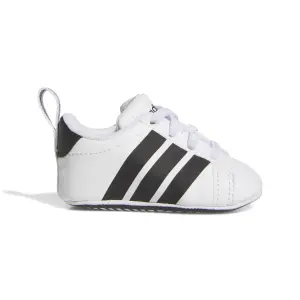
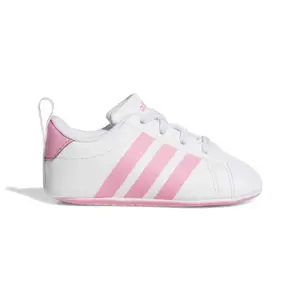


Baby adidas shoes take the iconic styles that made the three-stripe brand’s history and shrink them down, with fastenings designed for little feet: touch-fastening straps, elastic laces or slip-on styles. Their toddler sizes let you fit your child with shoes as soon as they’re walking confidently, for nursery, the park or family outings.
Three stripes, made for little ones.
What sets a baby adidas trainer apart
A baby adidas trainer isn't just a smaller version of an adult style. The version for little ones often replaces laces with a hook-and-loop fastening or fixed elastic laces, so you can slip the shoe on in one go without tying a knot. The opening is wider to make it easier to get on a foot that doesn't always cooperate, and the sole is more flexible to support a foot that's learning to roll through each step.
The three side stripes, contrasting heel detail and colours stay true to the grown-up styles: that's all part of the charm for parents who wear the brand themselves and like to match the family's shoes.
Other shoe brands for first steps
To compare different styles, the Geox page features shoes with breathable soles, while the Kickers selection brings together high-top leather styles that support the ankle. Victoria canvas shoes with hook-and-loop fastenings are ideal for warmer days, Crocs clogs slip on for the beach or garden, and Finnish Reima styles are made for rain and cold weather.
Samba, Superstar: icons born on the pitch
The brand was founded in 1949 by Adolf Dassler in Herzogenaurach, Bavaria, and its name combines his nickname, Adi, with the first letters of his surname. Several styles that have become streetwear classics were born on the pitch: the Samba, designed in the early 1950s for training on frozen ground, and the Superstar, recognisable by its rubber shell toe, designed for basketball in the late 1960s.
Their versions for little ones keep the rubber, stripes and original colours, so you can give a child the same look as a parent without giving up a practical fastening.
Measure your child's foot before ordering an adidas trainer
The right size is measured, it isn't guessed. Place your child's foot flat on a sheet of paper, with their heel against a wall. Mark the longest toe and measure at the end of the day, when the foot is slightly swollen. Add about one centimetre of extra room for growth and toe movement, then compare the measurement with the size guide for the style.
Many parents find that some adidas trainers come up rather small and narrow, especially styles inspired by the Originals range: if you're between sizes, choose the larger one. Before the age of three, feet grow quickly, so check the size about every three months.
Key times to buy a pair of adidas trainers for a little one
A baby changes shoe size several times a year, so every opportunity matters. Black Friday and then the festive season are good times to buy a first pair with the three stripes. The winter sales and the spring French Days are a chance to get ahead and buy the next size up, before the summer sales and the start of nursery or preschool. Between these events, the shoe clearance page brings together colours from previous collections.
Frequently asked questions
What adidas size should I get for a two-year-old?
Most two-year-olds wear between a size 23 and 25, but sizes vary a lot from child to child. Measure the length of their foot and use the style's size guide rather than their age.
When can a baby start wearing trainers?
At home, walking barefoot helps a child find their balance and strengthen the arch of their foot. Trainers become useful once they can walk on their own outdoors, on hard, cold or uneven ground.
How do I clean baby adidas trainers?
Brush off the dirt once it's dry, then wipe the upper and sole with a damp sponge and a little mild soap. Leave them to air-dry away from a radiator, removing the insole if it can be taken out.
Are adidas trainers a good newborn gift?
Yes, as long as you choose a larger size: a newborn won't walk for several months. Choose a first-steps size, around 19 or 20, which the child will wear around their first birthday.
Should babies wear socks with adidas trainers?
Yes, a thin cotton sock absorbs sweat and prevents rubbing against a little one's delicate skin. Try the shoe with the same thickness of sock they wear every day.











