
Reima for babies, shoes born under Finnish skies


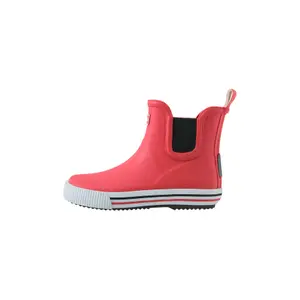


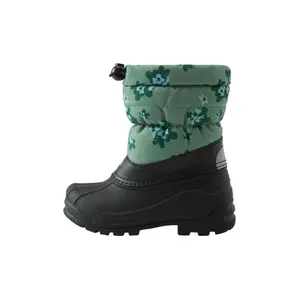

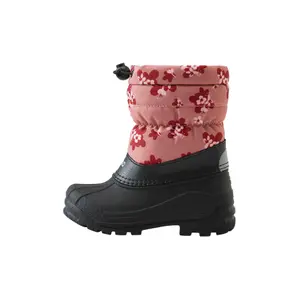


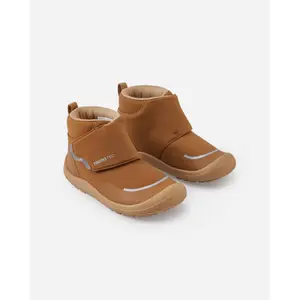
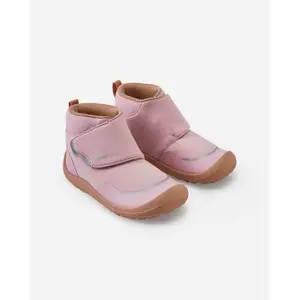

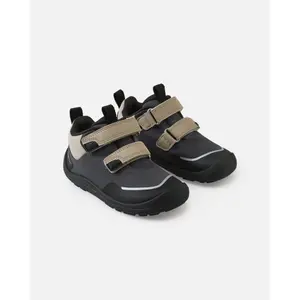
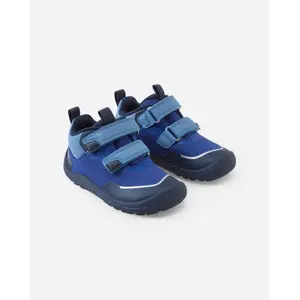
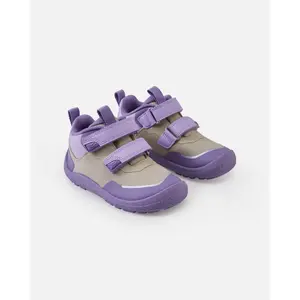


Reima baby shoes come from Finland, where the brand has been kitting children out for the outdoors since 1944. Designed for a country where people go out in all weathers, they combine flexible soles, waterproof materials and easy-to-use fastenings. Barefoot styles for feeling the ground, Reimatec boots for rain and snow: each pair is suited to a season and an age.
Outdoors in all weathers, from their first steps.
A Finnish outdoor brand since 1944
Reima was founded in 1944 in Kankaanpää, a small town in western Finland, where its founders turned old military uniforms into practical clothes for the whole family. Over the decades, the brand has specialised in outdoor gear for children, guided by a very Nordic belief: playing outside every day is good for children’s development, whatever the weather.
Its shoes for toddlers are rooted in this philosophy. They are designed for children who walk through wet grass, mud or slush and need to stay warm and dry without being restricted in their movements.
Other baby shoe brands
For milder days, the Victoria page brings together lightweight canvas shoes with hook-and-loop fastenings, while the Geox selection features closed shoes with breathable soles. Kickers leather styles support the ankle during those first steps, adidas trainers bring the three stripes to even the smallest sizes, and Crocs clogs can be rinsed off after a trip to the beach or pool.
Reima barefoot styles: a thin sole to feel the ground
Several Reima children’s shoes follow the barefoot principle. Their soles are thin, very flexible and completely flat, with no raised heel, and the front is wider to let the toes spread naturally. Children can feel the contours of the ground more clearly, helping them adjust their balance and engage the small muscles in their feet.
Some of these styles have a water-repellent upper or a waterproof membrane, so children can move freely on wet grass. The insole is often removable: place it on the ground to quickly check that the child’s foot still fits with a little room to spare.
Reimatec: keeping feet dry in the rain
The name Reimatec refers to the brand’s waterproof technology. In shoes and toddler boots, it takes the form of a membrane that keeps water out while allowing some perspiration to escape, along with sealed seams. Puddles, slush and waterlogged grass won’t soak through to the socks.
Winter styles add a warm lining, a lugged rubber sole that grips slippery surfaces and reflective details, which are useful when it gets dark early. For a baby, choose a wide-opening hook-and-loop fastening that can fit over a foot wearing a thick sock.
Reima baby shoes: key dates to look out for
It’s best to get a toddler’s winter gear ready before the first cold snap. Black Friday is just in time for waterproof boots, and the festive season is a good time to give a pair before a trip to the snow. The winter sales are a chance to plan ahead for next year’s shoe size, then the French Days in spring and the summer sales bring lightweight styles into focus, right up to the start of the new school year. The shoe clearance page brings together past-season colours.
Frequently asked questions
Do Reima shoes fit like shoes from other brands?
Not always: the fit varies from one style to another, and the brand gives the inner length in centimetres for each size. Measure the child’s foot and compare it with the size chart for the style you’ve chosen.
Are barefoot shoes suitable for a child’s very first steps?
Yes, that’s one of their benefits: their flexibility is similar to walking barefoot, which is recommended for learning to balance. They simply need to fit well—not too big and not tight at the front.
How do you care for Reima shoes?
Brush off mud once it’s dry or wipe the upper with a damp cloth. Leave the shoes to dry at room temperature, away from prolonged exposure to sunlight or strong heat, which can weaken the materials.
Which socks should you wear with Reima shoes in winter?
Wool socks, such as merino, keep feet warm even when slightly damp and help limit odours. Avoid wearing two pairs, as this can squeeze the foot and eventually make it colder.
Can Reima shoes be worn indoors?
Lightweight, flexible barefoot styles are easy to wear at nursery or at home. Lined boots, on the other hand, are too warm indoors, so get a pair of slippers for the day.











