
Victoria baby shoes, the Spanish canvas shoes for sunny days
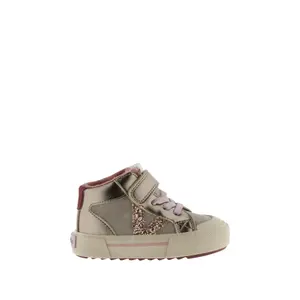
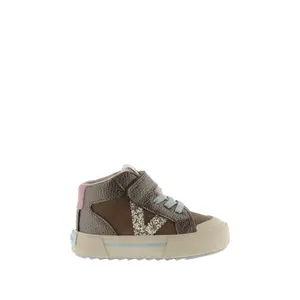


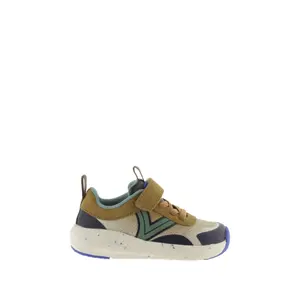
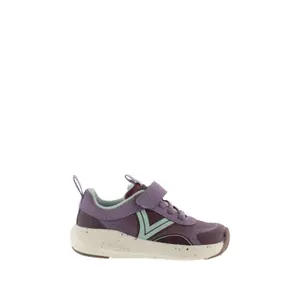
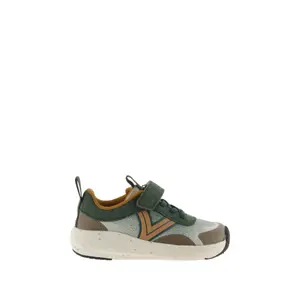


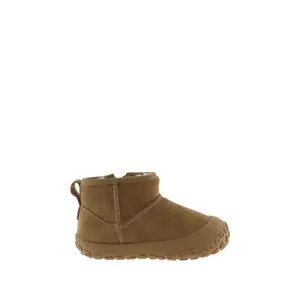
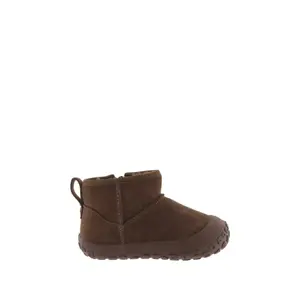


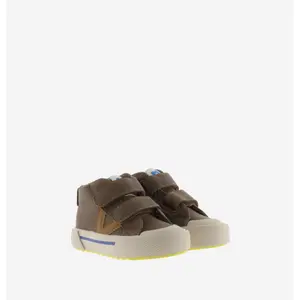


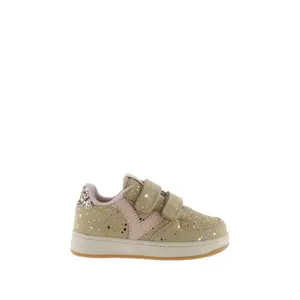
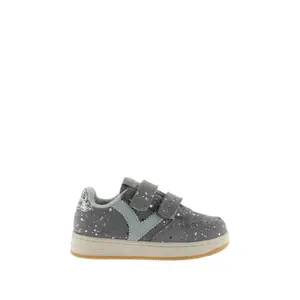


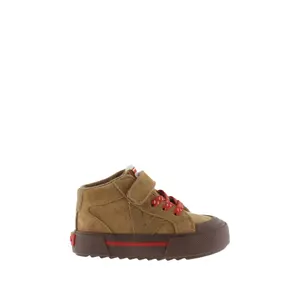
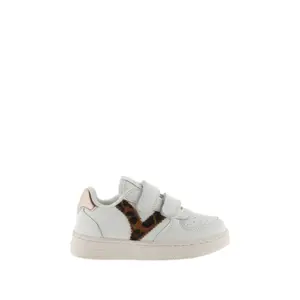
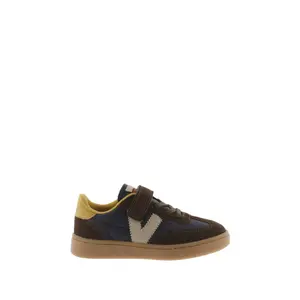
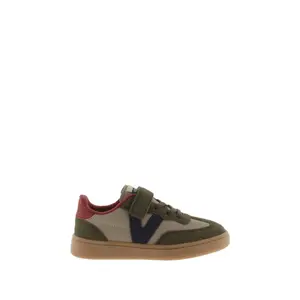
Victoria baby shoes bring little ones the canvas shoes with rubber soles that generations of Spanish children have grown up wearing. Lightweight, flexible and easy to fasten with their hook-and-loop straps, they can be worn from spring through to summer, at nursery or in the park. Some styles have a thin, barefoot-style sole that lets the foot move freely.
Lightweight canvas that moves with every step.
Victoria, a Spanish brand founded in 1915
Victoria was founded in 1915 in La Rioja, in northern Spain, a region with a long shoemaking tradition. According to the brand’s history, its founder, Gregorio, is said to have named his first shoe after his wife. The turning point came in 1950, with the adoption of vulcanised rubber, which gave rise to the brand’s iconic canvas shoe.
In the seventies and eighties, this canvas shoe, known as the Inglesa, became the summer shoe of choice for a whole generation of Spanish children. You can see this heritage in the styles for toddlers: simple shapes, flexible soles and cheerful colours, from white to printed designs.
Other brands for baby shoes
When the weather turns bad, the Reima page offers waterproof Finnish shoes, while the Geox selection includes closed shoes with soles that let feet breathe. Kickers leather shoes support the ankle, adidas trainers add a sporty touch with their three stripes, and Crocs clogs complete the holiday outfit.
Canvas and vulcanised rubber: the benefits for a baby’s feet
Vulcanisation involves heating rubber so that it bonds firmly to the canvas upper. The result is a lightweight shoe with a flexible sole that bends easily at the front, where a toddler’s foot flexes as they walk. The toe is usually protected by a rubber reinforcement, which stands up to scuffs when a child crawls or drags their feet.
Cotton canvas lets air through and helps limit sweating in warm weather. It has its limits: it is not waterproof and takes longer to dry than synthetic materials. So save these styles for dry days, from spring until the end of summer.
Hook-and-loop and barefoot: Victoria styles for toddlers
For younger children, Victoria often swaps laces for one or two hook-and-loop straps. They open wide to make it easy to slip the foot in, adjust to a high instep and tighten in one quick movement. Styles with elastic laces do the same job while keeping the look of classic canvas shoes.
The brand also offers a barefoot range, with a thin, flexible sole and a wider toe box, designed to feel more like walking barefoot. It appeals to parents who care about natural foot development, as long as they choose the size carefully: a flexible shoe that has become too small can squeeze the toes without the child complaining.
Canvas Victoria shoes for babies: when to buy them
Canvas shoes are for warmer weather, but it’s worth planning ahead. Black Friday and the festive season are a chance to pick up a pair in the size they’ll need the following spring. The winter sales and spring French Days take place shortly before canvas shoe season, followed by the summer sales and back-to-school season. New colours are featured on the new shoes page.
Frequently asked questions
Do Victoria shoes come up large or small?
Feedback varies by style, as barefoot models have a wider toe box than classic canvas shoes. Measure the foot at the end of the day and allow an extra centimetre before checking the product page’s size guide.
Can you machine-wash Victoria canvas shoes?
Hand-washing with lukewarm water and mild soap better protects the canvas and the sole’s bond. If you choose to use the washing machine, select a cold, delicate cycle and put the shoes in a laundry bag, then leave them to air dry.
How do you keep white Victoria canvas shoes white?
Scrub the canvas with a paste of bicarbonate of soda and water using an old toothbrush, then rinse. Leave the shoes to dry in the shade, as direct sunlight can turn the rubber sole yellow.
Are canvas shoes suitable for nursery in winter?
Light canvas shoes are comfortable indoors in a heated room. For journeys in cold or rainy weather, they offer too little protection: choose closed, lined shoes for outdoors.
At what age can a child fasten their own hook-and-loop shoes?
Most children manage it between the ages of two and three, at first with a little help getting their foot in. Hook-and-loop fastenings are ideal for encouraging independence before they learn to tie laces.











