
Baby shoes, from crawling to confident walking
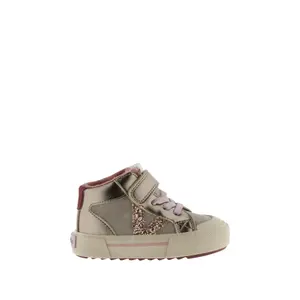
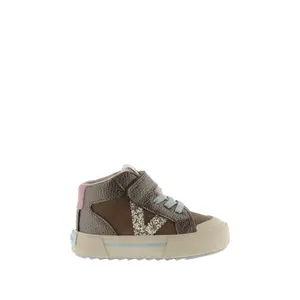


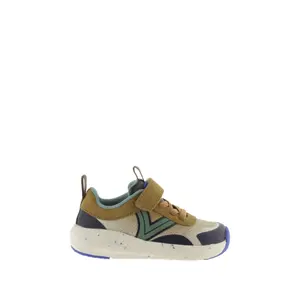
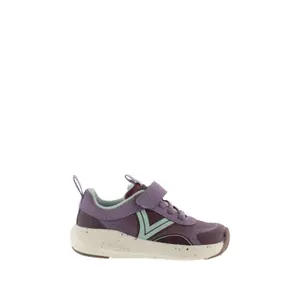
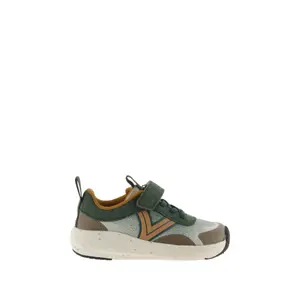
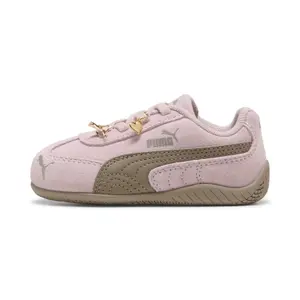


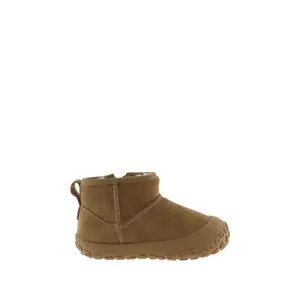
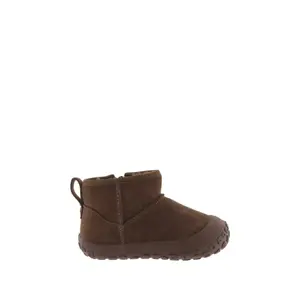


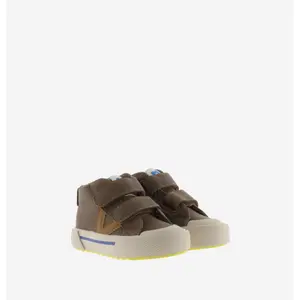


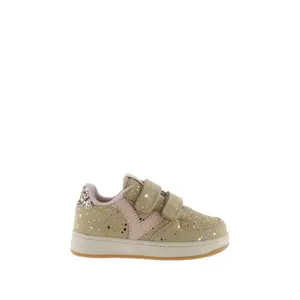
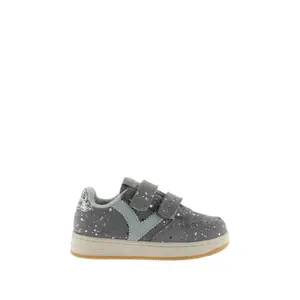
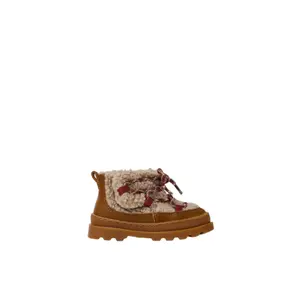
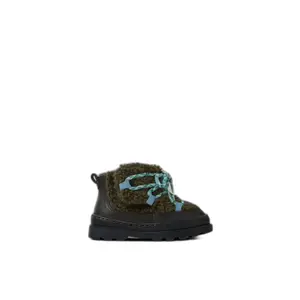


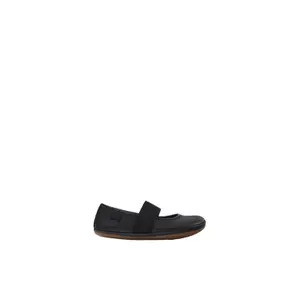
Baby shoes need to suit little feet as they change over a few months: soft slippers while your child is crawling, first shoes when they start standing up, then Velcro trainers, sandals and wellies once they’re walking confidently. At every stage, sole flexibility and heel support matter more than style.
There’s a pair for every stage of learning to walk.
Before walking, first steps, confident walking: three needs
While your baby is crawling or moving on all fours, they don’t need shoes, but soft slippers that keep their feet warm without restricting them. The soft leather styles from Les Pas Petits, with thin, non-slip soles, and wool slippers from Spanish brand Cienta leave little toes free to grip the ground.
When your child stands up and lets go of the furniture, it’s time for first-walker shoes, at first just for going out. Walking barefoot at home is still valuable for strengthening the arch of the foot. Once they’re walking confidently, Velcro trainers, closed sandals and ankle boots take over for outdoors and nursery.
Baby shoes by brand
Several brands have their own page. Reima, a Finnish specialist in outdoor clothing and gear for children, offers rain and winter boots designed for Nordic cold. Kickers makes leather shoes with high tops for little walkers. Baby trainers from adidas and Victoria fasten with Velcro, Geox styles have breathable soles, and Crocs clogs are just as at home in the garden as at the beach.
What to look for in good first-walker shoes
- A flexible sole that bends easily at the front third, where the foot flexes, and is thin enough for your child to feel the ground.
- A firm heel counter that keeps the heel straight without squeezing the ankle.
- A reinforced toe, as toddlers still drag their feet and often get down on their knees.
- A Velcro fastening that adjusts to a frequently chubby instep.
- A leather or breathable textile upper, and a lightweight shoe: every gram counts for little legs just finding their feet.
Check the size every two to three months: between nine months and two years, feet grow by an average of two and a half centimetres.
Rain boots, sandals and ankle boots for every season
For puddles, Finnish brand Reima, founded in 1944 in Kankaanpää, makes lightweight rain boots, including a barefoot version with a thin, flexible sole. French brand Méduse, whose plastic sandal was designed in 1946 by Jean Dauphant, also makes colourful rain boots for little ones.
In summer, sandals with a closed heel hold the heel in place and protect the toes: Geox combines them with its breathable sole, while Danish brand Bisgaard, founded in Aarhus in 2005, has leather sandals handmade in Portugal. In winter, a fleece-lined ankle boot or a snow boot like those from Reima keeps little feet warm on trips to the park or out for a walk.
Baby shoes: when to replace them without breaking the bank
Before the age of two, shoe sizes change several times a year, so seasonal sales can help you keep up. Black Friday and the end-of-year festivities are good times to buy slippers and winter ankle boots. The winter sales, followed by the spring French Days, come around when little ones start walking outdoors and need sandals. During the summer sales and at the start of nursery, the shoe clearance page and new shoes can help you plan ahead for the next size.
Victoria, Pom d'Api, Shoo Pom: trainers for little ones
The Victoria Tribu comes in baby sizes, with a Velcro strap, and is sometimes available in a wider fit for chubby little feet. Pom d'Api, founded in Vendée in 1973 at the instigation of Yvon and Guy Rautureau, takes its name from a French nursery rhyme, which is why an apple became its emblem. Its younger sister brand, Shoo Pom, launched in 2012 and offers Velcro trainers with a more urban style.
Big sports brands also have styles for little ones: adidas dresses its Spider-Man Velcro trainers in Marvel colours, while Puma makes its Smash with a Velcro fastening. For a child who has only recently started walking, choose these styles with a sole that bends, whatever the brand.
Frequently asked questions
When should I buy my baby’s first shoes?
When your child can walk alone and starts walking outdoors, on cold or uneven ground. Before then, barefoot or soft slippers at home are enough and let their feet strengthen freely.
Are barefoot shoes recommended for babies?
Their thin, flexible soles and wide toe boxes are similar to walking barefoot, which suits a developing foot. They offer less protection from knocks, so choose them for even surfaces and check that the heel is held securely.
Can I give my baby shoes that an older child has already worn?
Yes, for slippers or rain boots that are barely worn. For first-walker shoes, it’s better to buy a new pair: the sole and heel counter will have moulded to the way the first child walks and may affect the second child’s gait.
Does my child need slippers or non-slip socks at nursery?
Many nurseries ask children who can walk to wear slippers. A soft style with a closed heel and non-slip sole stays on better than socks, which slip and are easily lost. Check with the staff.
How can I tell if my baby’s shoes are too small?
With your child standing, press the toe of the shoe: you should be able to feel about a finger’s width of space in front of their longest toe. Red marks on their feet, taking their shoes off or tripping more often are also signs to look out for.











