
Card games for children, easy to slip into a pocket

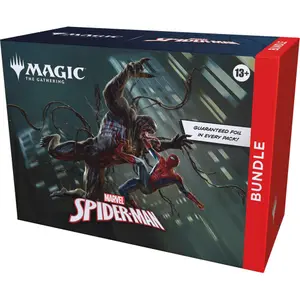
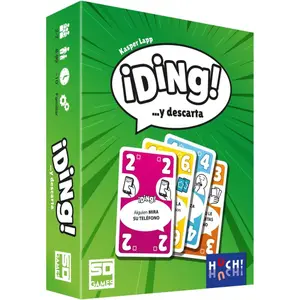
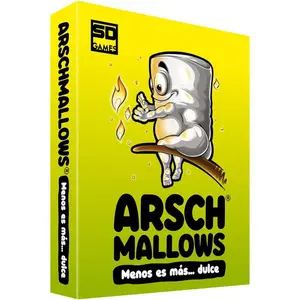
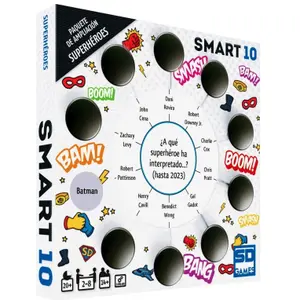

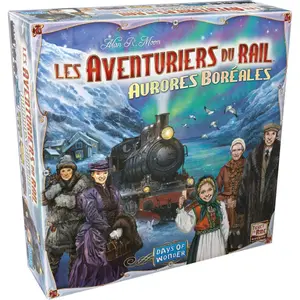
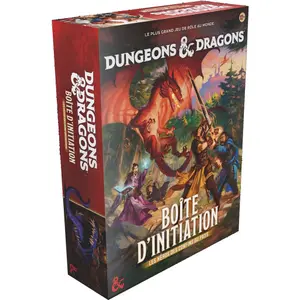

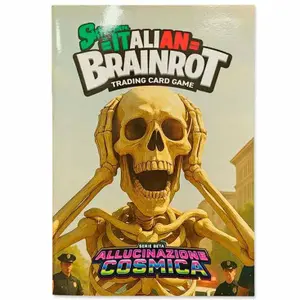
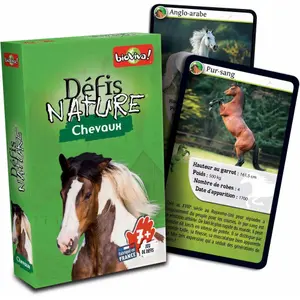

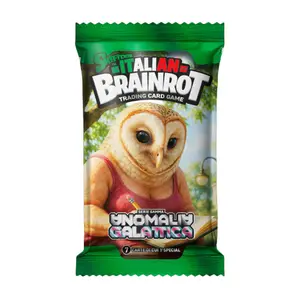
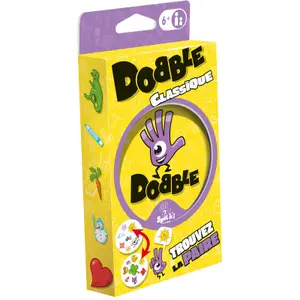


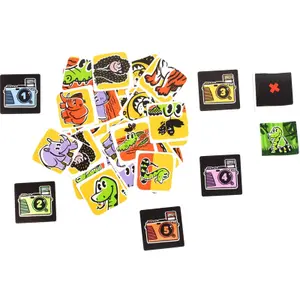
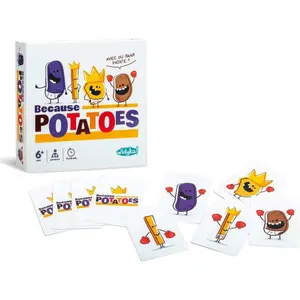
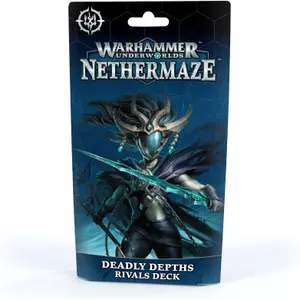
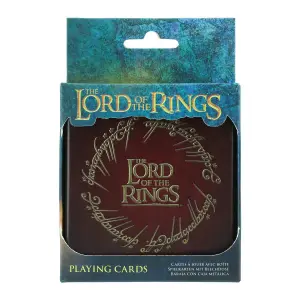
Small, lightweight and quick to explain, card games are often a child’s first games with rules. A game of Snap teaches them to compare numbers, a game of Happy Families to ask politely and remember, and a game of Top Trumps to read characteristics and bet on their strengths. They can be played at the table, in the car or while camping, with no board or set-up needed.
One pack of cards, a thousand games.
Which card game for ages three, six or ten?
From three or four years old, children can play memory games where they turn cards over, and matching games with large pictures: all they need to do is recognise and match them, and wait their turn. At around five or six, War and Happy Families, invented in England in the 19th century, help children practise comparing numbers, memory and language skills.
From seven or eight years old, children can manage a hand of several cards, think ahead and bluff: challenge games, shedding games and their first trick-taking games open the door to more strategic play. By around ten, they can easily join in with adult card games, including belote and tarot.
Board games, chess, puzzles: other games to enjoy together
When a card game turns into an evening of games, board games and other games take over with their pieces and dice, while chess offers a strategic duel. For quieter moments, brain teasers and puzzles can be enjoyed alone or in pairs.
Bioviva's Défis nature: learning through play
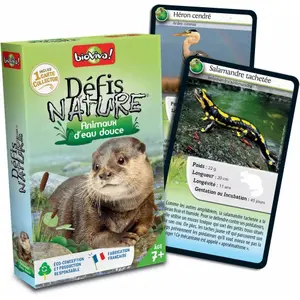
Founded in Montpellier in 1996, the French brand Bioviva has made its Défis nature games a classic of educational games. In the animal-themed versions, each card shows a species in a photo alongside facts and figures such as size, weight and lifespan. Players compete by betting on their card's strongest point: the heaviest animal or the one that lives the longest wins.
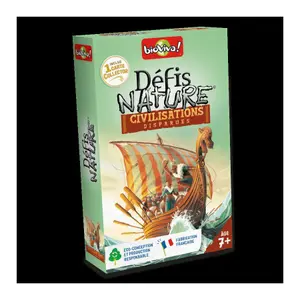
The themed editions, including freshwater animals, horses and lost civilisations, let you choose a game to suit your child's interests. Recommended for ages seven and up, games last around twenty minutes and, without even realising it, players pick up a wealth of knowledge about species and different periods in history.
Collectible cards and sets for older children
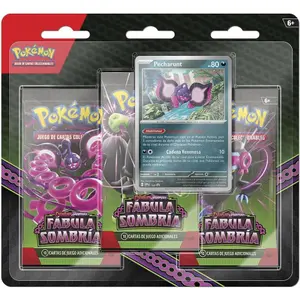
Collectible cards, such as those from the Pokémon world, which began in Japan in 1996, combine strategy with the fun of collecting: each player builds their own deck from their cards. They're best suited to children aged six or seven and up, when they can read the effects printed on the cards and work out damage points.
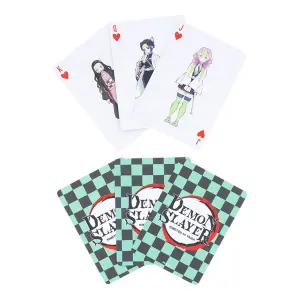
For teenagers, a poker set with chips and cards, such as the one from Rex London, introduces them to probability and bluffing, played just for fun with valueless chips. Card games inspired by animated series, such as the one based on Demon Slayer from Paladone, appeal to manga fans.
Card games: occasions to add to your games collection
A card game fits easily into a small Christmas stocking or makes a great birthday present. Black Friday and the festive season are good times to pick up a few, while the winter sales are a chance to try another version of your favourite games. Then there are the spring French Days and summer sales to fill your holiday bag. When the new school year begins, new games and toys join the clearance section.
Frequently asked questions
How can you protect cards that get damaged easily?
Clear plastic sleeves protect each card from sticky fingers and creases. Keep the deck in its box or a metal tin, and avoid playing near drinks or snacks.
Which game can you play with a child as a pair?
War, Old Maid or a challenge game work very well for two players. Later on, Crapette, a patience game for two, teaches children to watch their opponent's play and think ahead.
Do card games help children learn to count?
Yes. Comparing two values in War, adding up the points in a round or spotting a sequence makes practising mental arithmetic fun. Children who play regularly handle numbers without even realising it.
How do you shuffle a deck when you have small hands?
Spread the cards face down on the table and mix them around flat with both hands, then gather them back into a deck: this method is known as washing the cards. A hand-cranked card shuffler is also great fun for younger children.
How many players do you need for Happy Families?
Happy Families is best played with three to six players: with two, it becomes too easy to predict what cards your opponent will ask for. Each family has six members, and the player who collects the most complete families wins.













