
Puzzles for children: logic at play
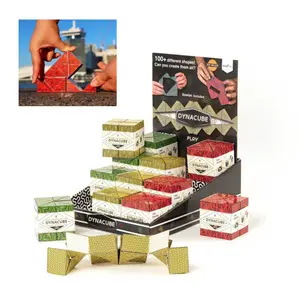
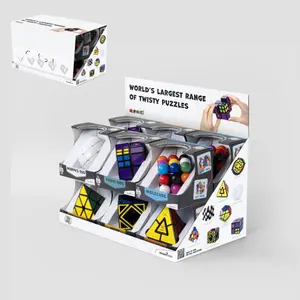


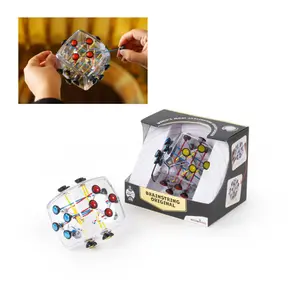
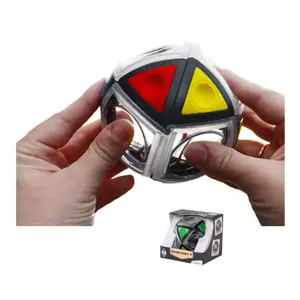
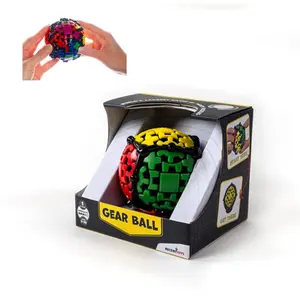
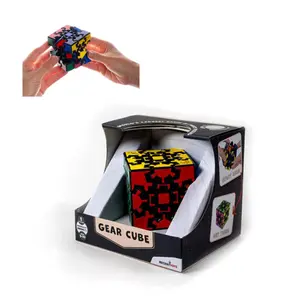
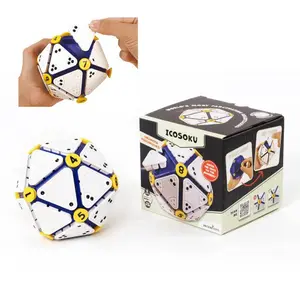
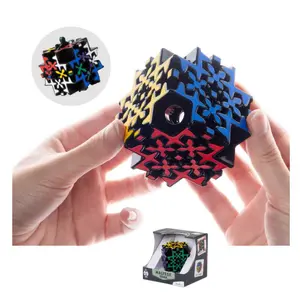
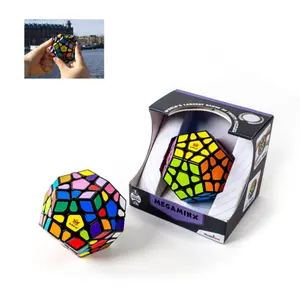
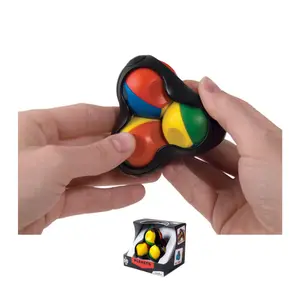
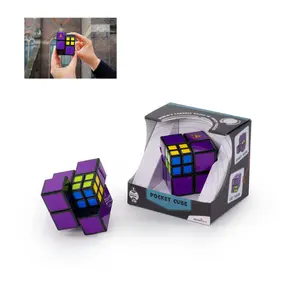
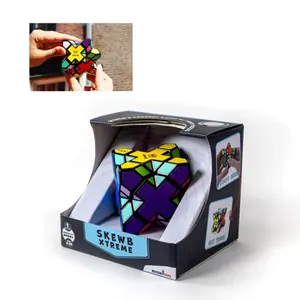
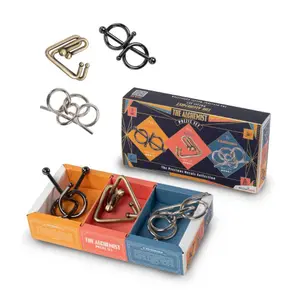
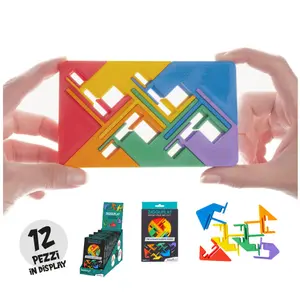


A puzzle is solved on your own, at your own pace, and brings a rare sense of satisfaction when the solution appears. Twisty cubes, metal rings to separate, wooden pieces to put together: each type calls on a different kind of intelligence — spatial awareness, sequential logic or perseverance — and captivates six-year-olds and teenagers alike.
Turn, search, find.
Cube, metal and wood: the main types of brain teaser
- Twisty cubes are descended from the cube with six coloured faces, invented in 1974 by a Hungarian architecture professor. The aim is to get each face back to a single colour by performing sequences of turns.
- Metal brain teasers, also known as disentanglement puzzles, challenge you to separate two interlocked pieces without forcing them, by finding the one intended way through.
- Wooden brain teasers, such as the Chinese seven-piece tangram, involve making a shape or taking apart and reassembling an interlocking object.
- The sliding puzzle, which appeared in the United States in the 1870s, involves sliding fifteen tiles around a frame to put them back in order.
Puzzles, chess and other thinking challenges
To keep the logic challenges going, jigsaw puzzles develop observation skills and patience, while chess sets take you from thinking on your own to using strategy against an opponent. Board games and more then bring the whole family together to think, while scratch art cards offer a creative break between puzzles.
Choosing the right difficulty for their age
Under six, wooden brain teasers with large pieces, shape sorters or a simplified tangram with a full-size model are best. At around seven or eight, children can try their first metal brain teasers and two-layer cubes. They can often master the classic three-layer cube at around ten, with the help of a step-by-step method.
Publishers often show a difficulty level using stars or stages: start one or two levels below the child's age. Their first success will encourage them to keep going, while a challenge that's too hard may end up forgotten in a drawer. Eureka! brain teasers, graded by level, are well suited to this progression.
Ghost Cube and speed cubes: taking it further
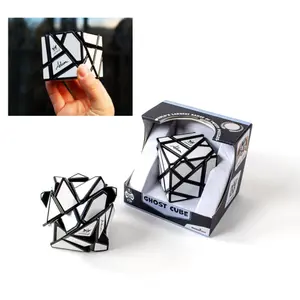
The Ghost Cube by Recent Toys uses the mechanism of a three-layer cube, but its pieces are cut at an angle and are different sizes. Once scrambled, it loses its cube shape, and solving it means restoring its original shape. A tough challenge for children who already know the classic method.
Speed cubes turn more freely thanks to tension adjustments and rounded corners that forgive imperfect turns. They’re suited to children who want to time their solves, learn faster sequences and compete with their friends.
Brain teasers: key occasions for giving a challenge
A brain teaser makes an ideal gift for the long winter holidays, which makes Black Friday and the festive season a good time to buy one. The winter sales are a chance to move up to the next level; the spring French Days and summer sales help fill the holiday suitcase, while the new school year puts the spotlight on new toys and games as well as clearance items.
Frequently asked questions
What should you do when a child gets stuck on a puzzle?
Let them put it aside and come back to it the next day: the solution often becomes clear after a break. If they’re still stuck, give them a hint rather than the answer, such as the first step, so they still get the satisfaction of working it out themselves.
Do these logic games help children get better at maths?
They develop spatial awareness, deduction and the ability to remember sequences, all useful skills for geometry and problem-solving. The tangram, for example, lets children handle triangles, squares and parallelograms well before they study them in class.
How do you put two rings back together after separating them?
Repeat the solution steps in reverse, slowly, watching the position of both pieces at each stage. Many models come with a solution in a sealed fold-out: keep it aside so you’re not tempted to look too soon.
Which challenge should you take on a long car journey?
Choose a single-piece model, such as a twisty cube or metal brain teaser, rather than a set of lots of pieces that could slip under the seats. It keeps a child occupied quietly and fits in a pocket.
Are there puzzles you can solve together?
Yes, some are played head-to-head, with each person given the same challenge and an hourglass, and cubes are great for family speed-solving competitions. You can also work together on a large wooden puzzle, with one person handling the pieces and the other giving directions.











