
Board games and other classics to share


Starting at £180.37
£168.88

Starting at £180.80
£169.27

Starting at £196.43
£183.33
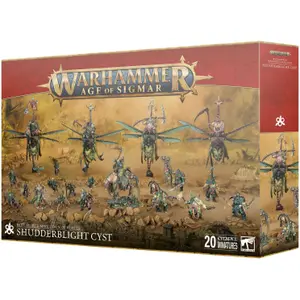
Starting at £191.47
£178.87
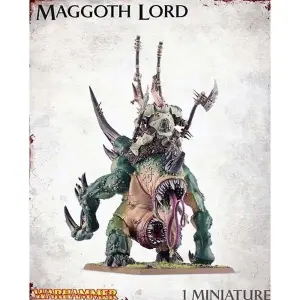
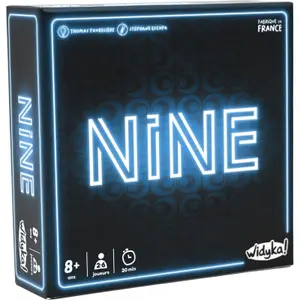
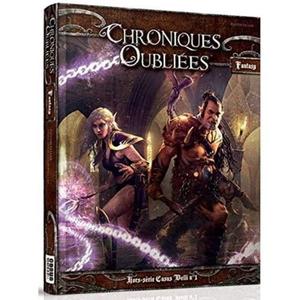
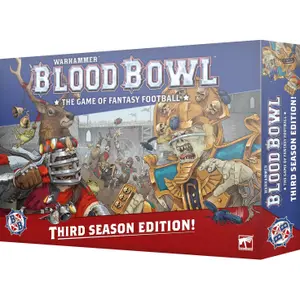
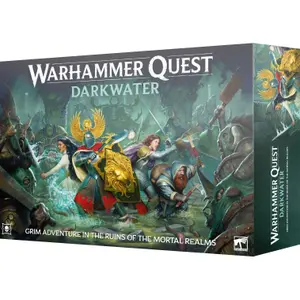
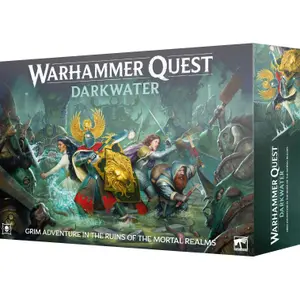
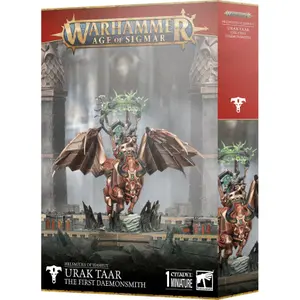
Starting at £134.93
£127.98
Starting at £104.17
£100.31
A board unfolded on the table, counters, dice, an hourglass: board games create an occasion everyone looks forward to all week. Race games for little ones, family classics passed down through generations, strategy games where you build an empire: every box tells a story and teaches children to follow rules and think ahead.
The family’s regular get-together.
From roll-and-move games to strategy games: a progression by age
Young children start with roll-and-move games and games of chance, where they move their counter according to the die roll, and with skill games such as duck fishing, which teach them to count and wait their turn. In Le Cochon qui rit, everyone builds their pig piece by piece according to the dice rolls, bringing plenty of giggles from the age of four or five.
At around seven or eight years old, family strategy and management games come along, where every choice matters and players learn to plan several turns ahead. From the age of ten or twelve, teenagers move on to expert games, expansions and evolving games whose components change as you play.
Chess, cards, puzzles: other types of games
To round out your games collection, chess sets offer the ultimate strategy duel, while card games can be played anywhere, from the train to the campsite. Jigsaw puzzles and brain teasers are perfect for quieter afternoons, while scratch art cards leave room for drawing.
Mille Bornes, Abalone, Ticket to Ride: the classics
- Mille Bornes, created in 1954 by Edmond Dujardin, has players race for a thousand kilometres using distance, attack and parade cards. The coup fourré, which turns an attack around at the very moment it is played, remains children’s favourite moment. The Mario Kart version and Mon premier Mille Bornes, featuring the Paw Patrol characters, make it accessible to younger children.
- Abalone pits two players against each other on a hexagonal board with sixty-one spaces, as each tries to push six of their opponent’s marbles off the edge.
- The Asia expansion for Ticket to Ride, from Days of Wonder, adds a new map to Alan R. Moon’s famous train game.
Evolving games, storytelling games and expansions
Risk Legacy, released in 2011, paved the way for evolving games: over a campaign of around fifteen games, players stick stickers on the map, destroy some cards and open sealed envelopes, so every box becomes unique. KeyForge, devised by Richard Garfield, takes the idea further with decks of cards that are all different.
Story Cubes, with nine dice featuring fifty-four illustrations, invites players to make up a story using all the pictures they roll: a language game with no winners or losers. The Armada expansion for 7 Wonders adds a naval dimension to Antoine Bauza’s civilisation game.
Board games: when to add to your collection
Winter evenings are the peak season for board games, and Black Friday and the festive season are a good time to get ready. The winter sales are a chance to add an expansion to a family favourite, the spring French Days and summer sales help you get ready for holiday games, and the back-to-school period brings new toys and games alongside clearance items.
Frequently asked questions
How do you explain a rule to a child?
Play the first round with the cards face up, talking through each move as you go. Children understand better by doing than by listening to the whole rulebook, and you can explain special cases when they come up.
How long should a game last with six-year-olds?
Aim for games lasting fifteen to twenty-five minutes: any longer and attention starts to wander and the fun wears off. The average playing time is on the box, but it is often based on players who already know the rules well.
Should you buy expansions for a game?
An expansion gives a game the family knows inside out a new lease of life, with new cards, a new board or an extra rule. It always requires the base game, so wait until the original game has had plenty of play before adding to it.
Which games should you take on holiday or when travelling?
Travel versions with magnetic pieces or compact boxes, and storytelling dice games, take up little space. Travel draughts and Chinese checkers fit in a bag and can be played just as easily on a beach towel as on a camping table.
How can you avoid arguments during a game?
Agree on the rules before you start and choose someone to settle any disagreements, using the instructions as the final word. Cooperative games, where everyone wins together, offer a welcome break for siblings who don’t take competition well.













