
Children’s puzzles, from big pieces to big challenges


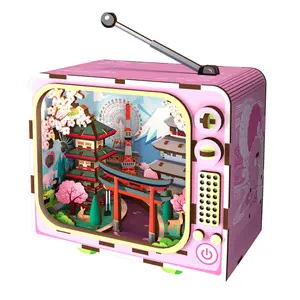


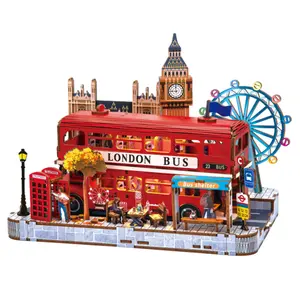
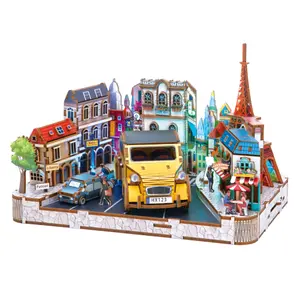
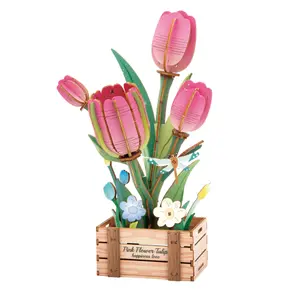
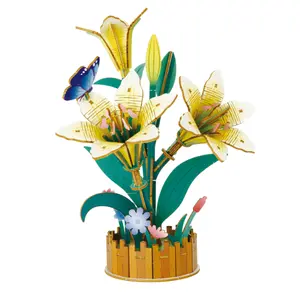
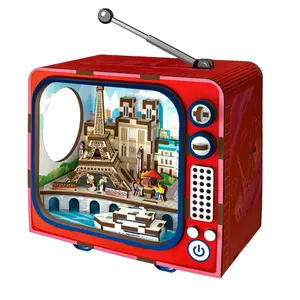

Born in London in the 1760s, when an engraver glued a map onto a wooden board before cutting it up, the jigsaw puzzle has lost none of its appeal. It teaches children to observe shapes and colours, sort and persevere, and every piece they fit is a small victory. From the first wooden pieces to giant landscapes, it grows with children at all ages.
Piece by piece, the picture is revealed.
How many pieces for a two-, four- or eight-year-old?
- Around two years old: wooden peg puzzles and puzzles with two to six large pieces, featuring simple, high-contrast images.
- Around three or four years old: twelve to thirty pieces, and floor puzzles with large pieces made from thick cardboard, which several people can put together on the floor.
- Around five or six years old: fifty to one hundred pieces, with detailed scenes that help children spot different areas.
- From eight years old: two hundred to five hundred pieces, then the 1,000-piece milestone at around ten or twelve, often tackled as a family.
These are only guidelines: children who have had plenty of practice make quick progress, and it’s better to choose a puzzle that’s a little easy than one that feels discouraging.
Brainteasers, chess and card games for other challenges
Puzzle fans often enjoy brainteasers, which work on the same spatial vision in a more mechanical way. Chess sets help develop forward thinking, card games build memory, and board games and more bring the whole family together to play.
Floor puzzles, wooden puzzles and 3D puzzles
Floor puzzles from Rex London, a London brand known for its retro illustrations, feature themes children love, such as dinosaurs, forests, coral reefs and car journeys. The large, thick pieces are easy to handle while kneeling on the rug. Its wooden puzzle featuring colourful creatures is suitable for little hands, while its puzzles of one hundred to one thousand pieces, with themes such as a world map, periodic table or flower garden, become real learning tools.
The 3D puzzles from Eureka!, known as impossible puzzles, are assembled in three dimensions and require real logical thinking, making them a natural step towards brainteasers.
Ravensburger and big puzzles to do as a family
Founded in 1883 in Ravensburg, Germany, the publisher Ravensburger has been making puzzles since 1964 and offers sizes for all ages. Its 3,000-piece Curiously Curious Collection puzzle is packed with detail and takes several weeks to complete, bringing parents and teenagers together around the same table, while the 200-piece Mixtape puzzle can be finished in one evening.
For these larger puzzles, a roll-up puzzle mat lets you put away a puzzle in progress without taking it apart. Sorting the edge pieces and colours into trays beforehand can also save valuable time.
Puzzles: when to plan the next challenge
Long winter evenings are ideal for puzzles: Black Friday and the festive season are a good time to get ready for a big family holiday challenge. The winter sales are a good time to move up to a puzzle with more pieces, the spring French Days and summer sales are ideal for rainy days in a holiday rental, and back-to-school is the time for new games and toys and clearance deals.
Frequently asked questions
How can I store a puzzle without losing any pieces?
Put the pieces in a resealable bag and place it inside the box. If any pieces are missing, note how many on the back of the lid. For children's puzzles, putting a coloured dot on the back of each piece makes it easier to find the original box if the pieces get mixed up.
How do I frame a completed puzzle?
Use a brush to apply a thin layer of puzzle glue to the front, working it into the joins, then leave it to dry flat for several hours. Once it's rigid, the image can be placed in a frame the size shown on the box.
Should you start with the edges?
It's the most common method: the straight-edged pieces make the frame and give you reference points. Little ones often prefer to start with something they recognise, such as a face or an animal, which works just as well with a puzzle made up of only a few pieces.
Is a personalised photo puzzle suitable for young children?
Yes, as long as you choose a clear, high-contrast photo of a familiar face or animal, and a puzzle with a small number of large pieces. Photos with large areas of the same colour, such as sky or sea, make it much harder for a child to put the puzzle together.
What should I do if a piece is missing at the end?
Check under the rug, inside the box and in the folds of the lid. Some publishers, including Ravensburger, offer a replacement service for missing pieces. Keep the box and its reference number so you can request one.











