
Board games for the whole family, from ages three to fifteen
Board games bring young and old together around the same table, away from screens. They teach players to wait their turn, count, read the rules and lose gracefully. Board games, cards, puzzles, chess or brainteasers: each type of game calls on different skills, from memory to strategy, and keeps children entertained right through to lively evenings with teenagers.
A table, a box, and the whole family.


Which board game for a three-, five- or eight-year-old?
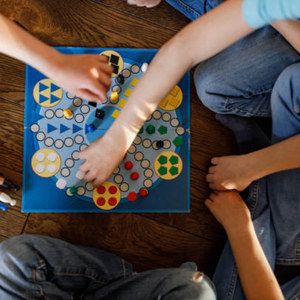
At around three years old, games involving picture recognition, memory and a track with a single die are suitable, with games lasting ten minutes. Co-operative games, where all the players win or lose together against the game, help children cope with losing without a fuss. Between five and six years old, children can read numbers, count spaces and remember longer rules, so it’s time for classics such as Mille Bornes, created in 1954 by Edmond Dujardin.
From eight years old, family strategy games are an option. Ticket to Ride, designed by Alan R. Moon and awarded the German Spiel des Jahres prize in 2004, can then be played on equal terms with adults.
Puzzles, chess, cards: all our game categories
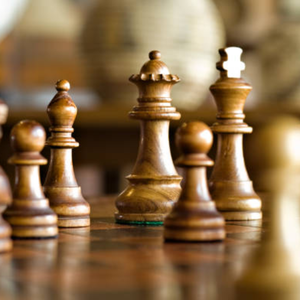
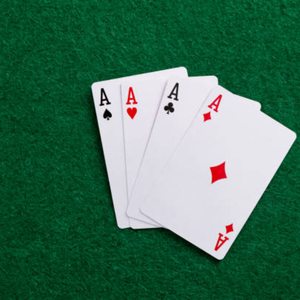
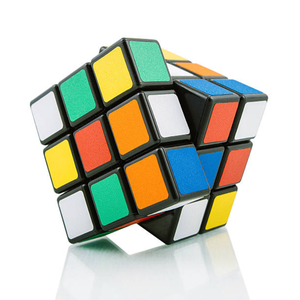
Each game category has its own page. Puzzles range from large wooden pieces to landscapes made up of several thousand pieces, while chess sets include sets for the home and for travelling. Card games fit in a pocket, brain teasers are solved alone, scratch cards reveal brightly coloured pictures, and board games and more bring together the great family classics.
Classics that have made board game history
- Abalone, designed in 1987 by two French designers, is a two-player game with fourteen marbles on a hexagonal board: the first player to push six of their opponent’s marbles off the edge wins.
- Risk Legacy, released by Hasbro in 2011, invented the legacy game: as you play, you stick stickers on the board, tear up cards and open sealed envelopes.
- The three-thousand-piece puzzle The Curious Collection carries on the tradition of Ravensburger, a German publisher founded in 1883, which has been making puzzles since 1964.
- The wooden game board from Wooden Story brings together sixty-three pieces made from pleasantly warm-feeling wood.
Storing the boxes and making the games last
Store boxes upright, like books, on a shelf at child height: children can see the spines, choose for themselves and are more likely to put them away. Resealable bags or small compartment boxes stop counters, dice and cards from getting mixed up between games, while an elastic band around the lid keeps the contents from spilling out.
For well-used cards, clear plastic card sleeves help them last longer, and a note tucked into the box can list any missing pieces. Finally, a game left for too long in a damp room will warp: a bedroom or living room is better than a cellar or garage.
Board games: occasions to add to your collection
Board games make welcome gifts for all sorts of occasions. Black Friday marks the start of preparations for the festive season, when family game collections grow the most, then the winter sales are a chance to add an expansion to the household classics. The spring French Days and summer sales are a good time to get travel and holiday games, while back-to-school season highlights the games and toys clearance and new arrivals.
Frequently asked questions
How can I teach a child to lose at a game?
Start with short games, then move on to competitive games where luck plays a big part: children learn that losing doesn’t mean they’re not good enough. Congratulate the winner together and suggest a rematch straight away, without dwelling on the disappointment.
How many players do most family games need?
Most family games are for two to five or six players, and the information is shown on the box alongside the recommended age and playing time. If you have two children, check that the game works well with two players: some only come into their own with four.
Can you play board games with a two-year-old?
Yes, with very simple games: picture bingo, a first colour game or a track game with a colour die, played for just a few minutes. The pieces must be large, as toys intended for children under three must not contain small parts.
Which game should I choose for an evening with teenagers?
Party games, which are quick to play with lots of people, and medium-length strategy games are popular with this age group. Legacy games, where the components change over the course of several games, are also a hit with a group of friends who meet every week.
Do board games help children do well at school?
They don’t replace homework, but they help children practise mental arithmetic, reading rules, memory and concentration. Keeping score, planning a move or waiting for their turn are skills children can use in the classroom too.













