
Baby rattles, their first developmental toys


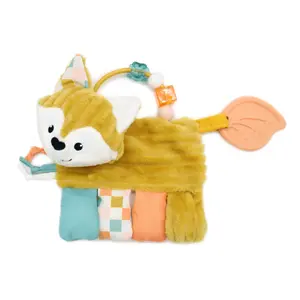
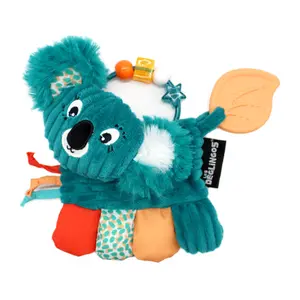
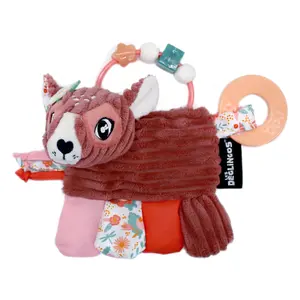
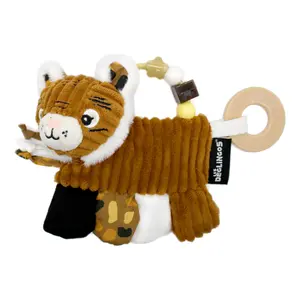


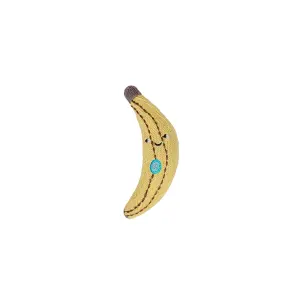
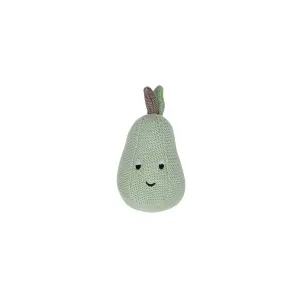
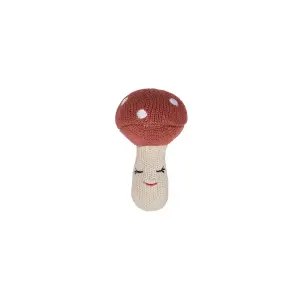


The rattle is the very first toy your baby holds. A bell sewn into a soft toy, a wooden ring that rattles, an organic cotton butterfly: it stimulates hearing, helps your baby follow an object with their eyes and teaches them to grasp. Here’s how to choose a rattle that’s right for your child’s age, safe to put in their mouth and easy to clean.
The sound that accompanies their first discoveries.
At what age should you give a baby a rattle, and what is it for?
From birth, shake the rattle in front of your baby’s eyes, about 30 centimetres away: the sound helps them locate the object and follow it with their eyes. At around three months, their hand opens and they start reaching out to grab things you offer them; they shake the rattle, discover that they can make the noise themselves and repeat the action with delight.
Between four and six months, the rattle passes from one hand to the other and almost always ends up in their mouth, just as the first teeth are starting to come through. This is the age for lightweight, easy-to-grip designs, with a ring or slim handle that won’t tire their wrist or hurt their face if it slips from their fingers.
Comforters, soft toys and other fabric toys
Rattles naturally go well with other fabric companions. Comforters provide reassurance when it’s time to part, and some also hide a little bell, while soft toys come in larger sizes. Later on, soft rag dolls, puppets and dolls take over, helping little ones make up their first stories.
Wooden rattles, fabric rattles and teething rings
The wooden rattle appeals for its reassuring weight and clear sound as the rings knock together; it can’t go in the washing machine, but can be wiped clean with a damp cloth. The fabric rattle is soft and lightweight, won’t hurt if it falls on your baby’s face and is usually machine washable: it’s the ideal companion for the first few months, whether in your arms or on the play mat.
The teething ring combines both uses: your baby can shake it and chew on it, while its texture soothes their gums as their teeth come through. The Miffy Teether Eco-Cotton by Just Dutch combines Dick Bruna’s little bunny with a ring to chew on, for a baby who explores everything with their mouth.
Rainbow Designs and Fabelab rattles
The British brand Rainbow Designs has turned its characters into rattles for little ones. From the world of Harry Potter, the elf Dobby and the young wizard become soft rattles with big embroidered eyes. The Winnie the Pooh Always and Forever range offers a more classic wooden design, featuring A. A. Milne’s honey-loving bear to keep baby company from their first weeks.
The Danish brand Fabelab, founded in Copenhagen, uses GOTS-certified organic cotton—a welcome guarantee for a toy that spends its life in a baby’s mouth. Its Butterfly, with soft, lightweight wings, fits easily into a little hand and rustles in a way that intrigues baby as much as the bell.
Rattles to give as gifts: key times of year
A rattle is a classic new baby gift and can be added to a list from the first months of pregnancy. Black Friday is a good time to get ready for the festive season, when character rattles make lovely first Christmas presents. The winter sales and spring French Days are a chance to add to their playtime essentials; the summer sales come before babies due towards the end of the year, and at the start of the school year, toy clearance runs alongside new toys.
Safety points to check on a rattle
A rattle is designed to go in a baby’s mouth, so it must meet the EN 71-1 standard, which requires specific tests for toys intended for children under three. The standard states, in particular, that neither the handle nor the end of a rattle can get lodged at the back of the throat, and that no small parts come loose when pulled or bitten. The CE marking confirms that it meets these requirements.
At home, check the seams, bells and condition of the wood regularly: a crack or splinter is enough to put the rattle aside. Never tie it around your child’s neck with a ribbon or hang it over the cot with a long string, as this could pose a strangulation risk.
Frequently asked questions
How do you clean a wooden rattle?
Wipe it with a slightly damp cloth, using a little mild soap if needed, then dry it straight away. Never soak it or put it in the dishwasher: water makes the fibres swell, dulls the finish and can split the wood.
Is a crocheted rattle safe?
A handmade rattle hasn’t been tested to the toy safety standard. If you give one as a gift, check that the bell is enclosed in a sturdy casing, the stitches are tight and nothing can come loose. Always supervise your child while they play.
How many rattles does a baby need?
Two or three are enough, with different textures and sounds: a fabric one for outings, a wooden one for playtime and a teething ring to chew on. Rotating them helps keep baby curious.
Is a rattle a good new baby gift?
It’s a real classic, useful from the first few weeks and throughout the first year. For a memorable gift, choose a character rattle or one made from natural wood, which parents will often keep as a memento.
My two-month-old can’t hold their rattle. Is that normal?
Yes, absolutely: before three months, babies mostly close their hands by reflex and quickly let go of objects. At this age, you can gently shake the rattle on either side of their face so they follow it with their eyes and turn their head.











