
Puppets for children, from soft toys to theatre sets
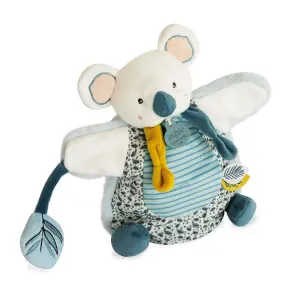
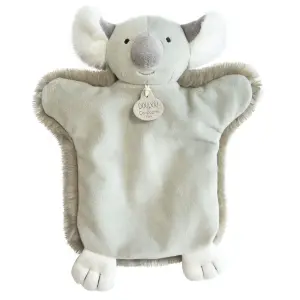
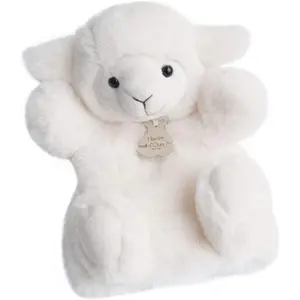
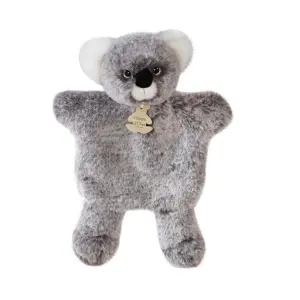
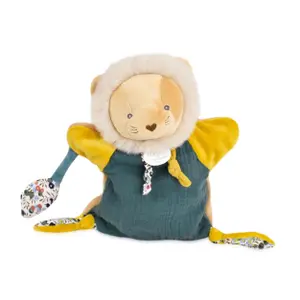


The puppet gives a voice to a child’s feelings long before they know how to name them. A koala whispering, a lamb offering comfort, a little make-believe theatre behind the sofa: slipped onto a parent’s hand and then the child’s, it brings stories to life. Here’s how to choose a puppet that suits their age and make the most of playtime together.
One hand, one voice, and the story begins.
Hand, finger or string puppets: what’s the difference?
A hand puppet, also known as a glove puppet, slips on like a glove: the index finger moves the head, while the thumb and middle finger become the arms. It’s the easiest type to use and the most expressive, from soft toy puppets for little ones to theatre characters.
A finger puppet is tiny and slips onto a single finger, making it possible to bring a whole family to life with one hand; its small size makes it better suited to children who have stopped putting everything in their mouths. A string puppet, suspended from a wooden control bar, requires real coordination and is better suited to school-age children who are keen to make a character walk and dance.
Comforters, soft toys and jointed puppets to complete the cast
Puppets have some equally soft cousins. Comforters keep children company at bedtime, soft toys become attentive spectators or supporting characters, and jointed puppets with floppy limbs are perfect for their first dances. Dolls then open up more pretend play, while rattles stimulate the youngest children.
Choosing a puppet for ages one, two, three or five
- At around one year, you do the animating: a soft toy puppet that appears, disappears and reappears makes baby laugh and helps them understand that a hidden object is still there.
- At two years, a child can put on a large, soft hand puppet by themselves, open and close its mouth, and give it their first words.
- Between three and four years, they give it a life of its own: the puppet goes to school, is afraid of the dark, has an argument and makes up.
- At around five years, they make up proper stories with several characters and ask for an audience, with a beginning, a twist and an ending.
Soft toy puppets from Doudou et Compagnie and Histoire d'Ours
The two French brands have made the soft toy puppet a companion for little ones: a very soft comforter body that an adult can slip their hand into to move the head. The koala, made by both brands, opens its big, gentle eyes and is ready for cuddles once your hand is out.
The lamb from Histoire d'Ours, with its pale little curls, is reassuring at bedtime, when the puppet tells the story of the day before saying goodnight. At Doudou et Compagnie, the Boh'Aime collection uses soft, natural colours, in the spirit of a bohemian bedroom. These puppets are designed for little ones, with embroidered eyes and soft fabrics, and often become a comforter in their own right.
Giving a puppet throughout the year
A soft toy puppet is an easy choice for a newborn gift list or to put under the Christmas tree. Black Friday is a good time to get ahead for the festive season, when families put on impromptu shows. The winter sales, followed by the spring French Days, help you add to the cast; the summer sales are a chance to get ready for long holiday evenings, and when the new school year starts, toy clearance sits alongside new toys.
From Lyon’s Guignol to shows at home
The glove puppet has a proud place in French culture thanks to Guignol, created in Lyon in the early nineteenth century by Laurent Mourguet, a former silk worker who became a tooth puller and then a puppeteer. His cheeky silk-weaver character, accompanied by his friend Gnafron, made fun of the police and the powerful.
At home, you can make a puppet theatre in just a few minutes: an upturned table, a sheet stretched between two chairs or a cut-out cardboard box will do. Let your child choose the characters, set a simple rule, such as greeting the audience at the beginning and end, and suggest they act out a story they know before making up new ones.
Frequently asked questions
How can you make a puppet with a child?
An odd sock, two buttons sewn on by an adult and a little wool for hair are all you need to make a hand puppet. A paper bag or a decorated wooden spoon will also do, and children quickly grow attached to the character they’ve made.
Can a puppet also be used as a comforter?
Yes, soft toy puppets are designed for just that: once your hand is out, you can cuddle them just like a regular comforter. Just check that they’re made for under-threes, with embroidered eyes and no added parts.
How do you wash a soft toy puppet?
Follow the label: most can go in the washing machine at thirty degrees on a delicate cycle, tucked inside a pillowcase. Turn the glove inside out to dry the inside and leave it to air-dry, away from the radiator, to keep the fabric nice and soft.
Can a puppet help a shy child?
Often, yes: children may dare to say through the character what they wouldn’t say directly. Parents can also use one to talk about a fear, starting school or an argument, with the puppet asking the questions for them.
Which puppet should you give for a first birthday?
A soft, lightweight puppet that can be used as a comforter between games. At this age, an adult does the animating: choose an animal with simple, expressive features that your child can easily recognise and name.













