
Children’s backpacks for the new school year


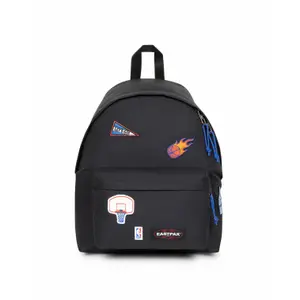


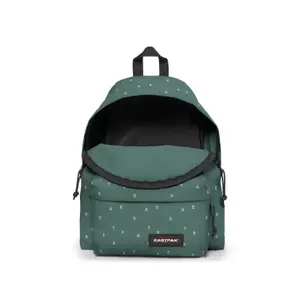
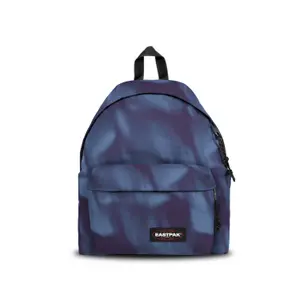
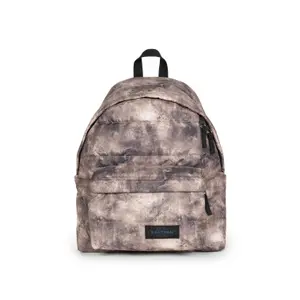
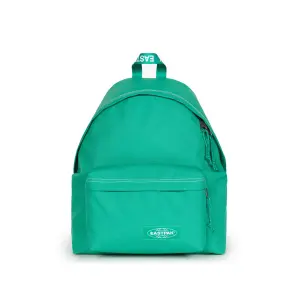
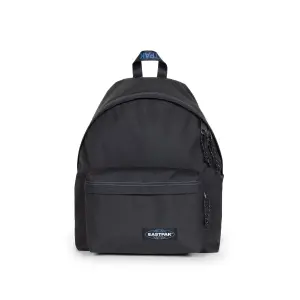
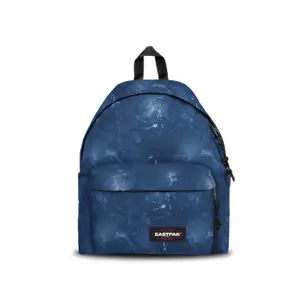
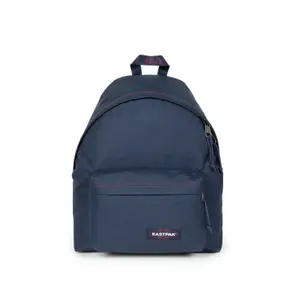
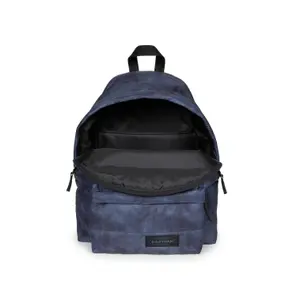

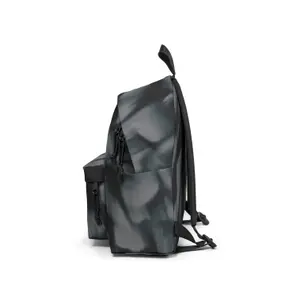
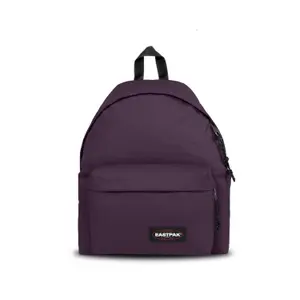

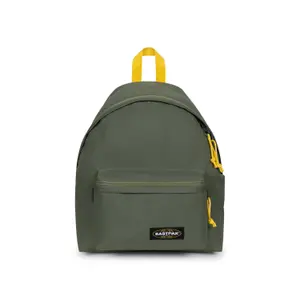


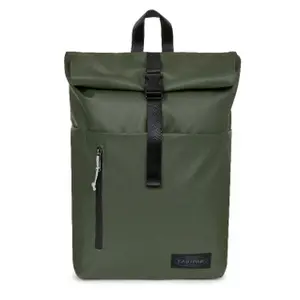


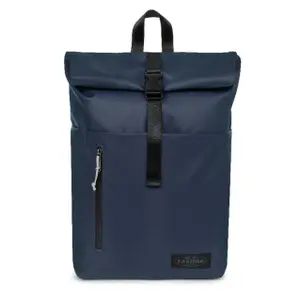

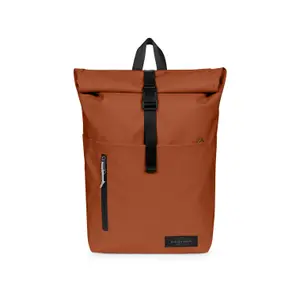


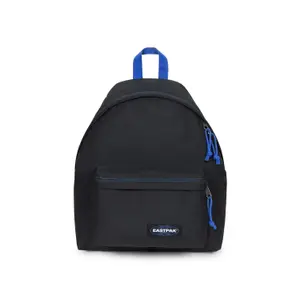


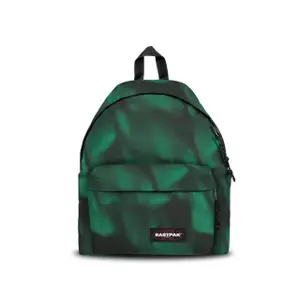
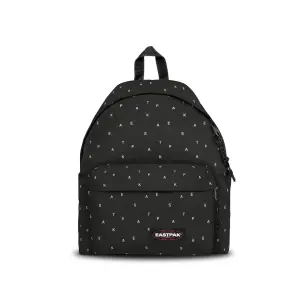
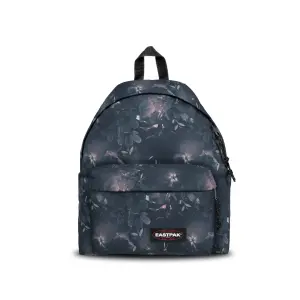


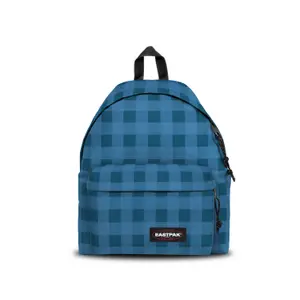

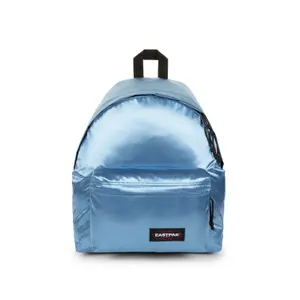

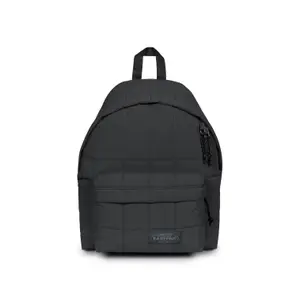
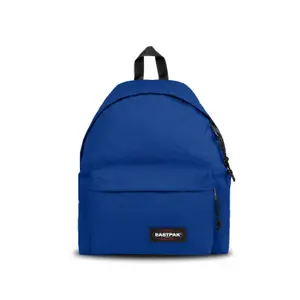
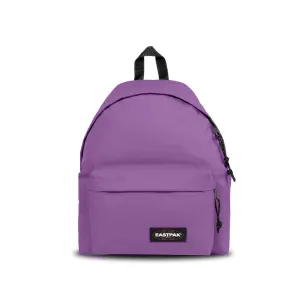
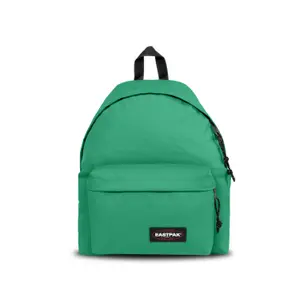
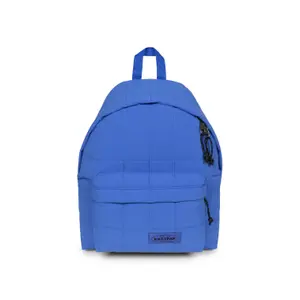


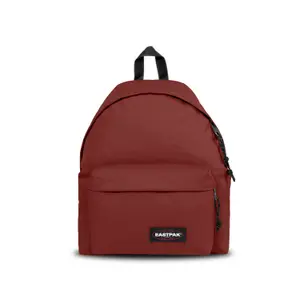


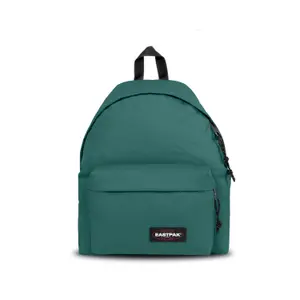


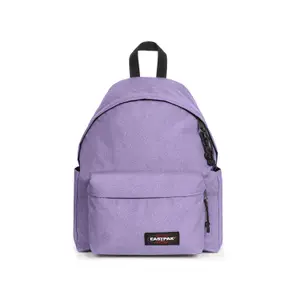


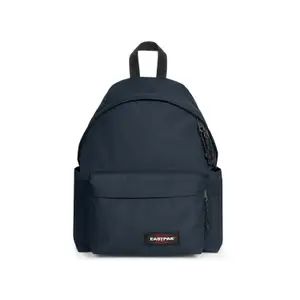


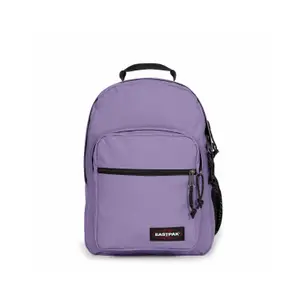


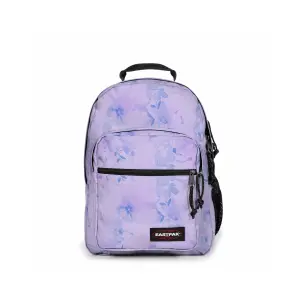
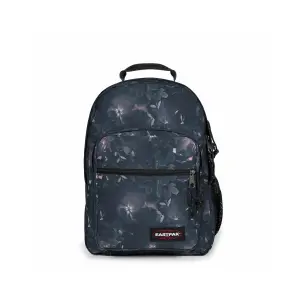


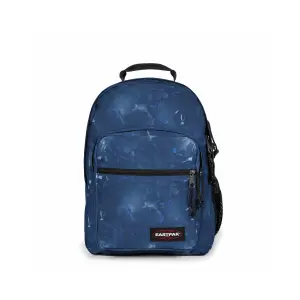


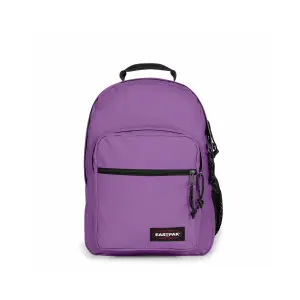


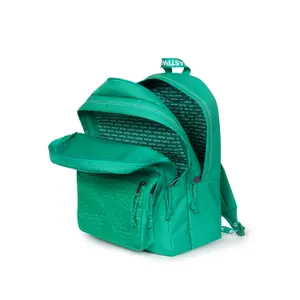


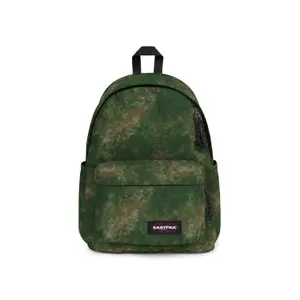
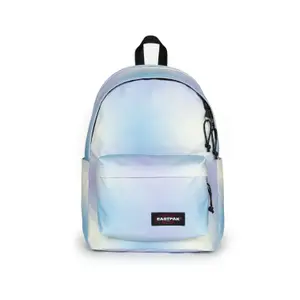
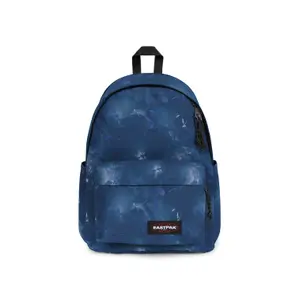
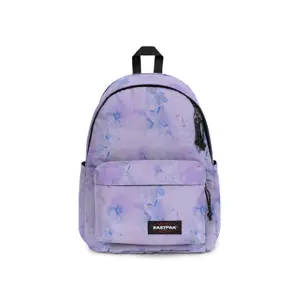


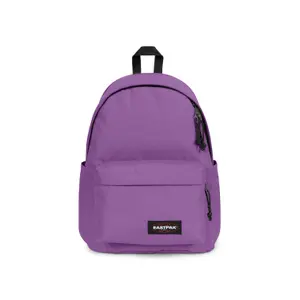
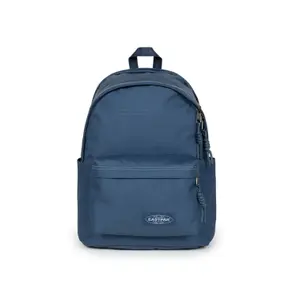
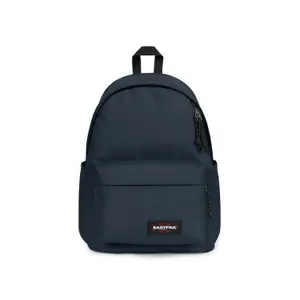
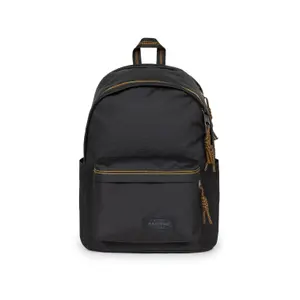
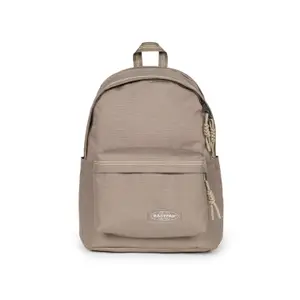


The children's backpack goes along on every school journey, from the comforter in the first year of nursery to the large-format exercise books used in primary school. This selection brings together sturdy designs from Eastpak, organic cotton bags from Hindbag, double compartments from Pol Fox and Herschel's retro styles, with padded shoulder straps and sizes designed for every age.
A bag in the right size for every school year.
What size backpack should you choose for your child's school year?
For nursery school, a small backpack around thirty centimetres high is enough: it can carry a comforter, a change of clothes and a communication book, and your child should be able to open it on their own. Choose an easy fastening, such as a wide zip or a flap, and write their name inside.
From Year 1 onwards, the backpack should fit large-format exercise books measuring 24 by 32 centimetres and an A4 ring binder without bending them. Look for one at least thirty-five centimetres high, with a flat base. Check the teacher's list, though, as some primary schools still require a rigid school bag.
Choose a backpack by brand
Pak'r fans will find everything from the mini Orbit to a larger secondary-school size at Eastpak, while Herschel makes its Canadian backpacks in children's sizes. Petit Jour decorates its little nursery-school backpacks with characters from children's books, Rex London covers them in colourful prints designed in London, and Cerda brings together backpacks featuring children's favourite cartoon characters.
How to wear a backpack without hurting your child's back
Health professionals recommend that a full backpack should weigh no more than a tenth of your child's body weight—about three kilos for a schoolchild weighing thirty kilos. Each evening, take out anything they won't need the next day and put the heaviest books against their back.
Both shoulder straps should be worn and adjusted so the backpack sits high on the back without hanging below the waist. Wide, padded straps spread the weight, a padded back stops book corners from digging in, and a chest strap keeps older children's backpacks in place on the way to school.
Backpack brands and what makes them different
Eastpak, founded in Boston in 1952 as Eastern Canvas Products to supply the US military, made the Padded Pak'r popular and guarantees its backpacks for thirty years. Herschel, founded in Vancouver in 2009 by the Cormack brothers, takes a retro approach with front-pocket designs.
The French brand Hindbag, founded in 2015, has its bags sewn from certified organic cotton by seamstresses in Delhi. Its children's styles include Arthur and Romy. Pol Fox focuses on backpacks with two compartments, to keep snacks separate from exercise books, in Crush and Street designs.
Back-to-school backpacks: the best times to buy
A good backpack lasts for several years, so it's worth planning your purchase. Black Friday and the Christmas holidays are a chance to give your child the style they've been dreaming of, while the winter sales are a good time to replace a backpack that's ripped halfway through the school year. After the spring French Days, the summer sales arrive just before the new school year—a good time to compare sizes. End-of-line colours go into clearance, new arrivals showcase the latest prints, and the deals page brings together discounted backpacks.
Frequently asked questions
A backpack or a school bag for Year 1?
A backpack is lighter and more flexible, while a rigid school bag protects exercise books better and stands up under the desk. Both are suitable if they fit the exercise books without bending them; follow the school's list first.
How do you wash a child's backpack?
Empty it, shake out the crumbs, then scrub any marks with a sponge and soapy water. Some canvas backpacks can go on a delicate thirty-degree wash in a laundry bag, but check the label: the padding in the straps doesn't do well in the washing machine. Leave it open to air-dry.
At what age can a young child have their own backpack?
From two or three years old, a mini backpack of around ten litres, carried for fun with a comforter and a water bottle, can help your child get used to putting it on by themselves. Keep the load very light until primary school, when exercise books can be added.
How can you personalise your child's backpack?
An iron-on badge, a keyring or an embroidered name label is enough to make it easy to spot in the cloakroom. Write their name and a phone number inside rather than on the outside, so strangers can't see them.
Should a schoolchild's backpack have a reflective strip?
It's very useful from November to February, when your child walks to school at dusk. A reflective strip or pendant attached low on the backpack helps drivers see them from a good distance in their headlights.











