
Other children’s shoes, one pair for each activity


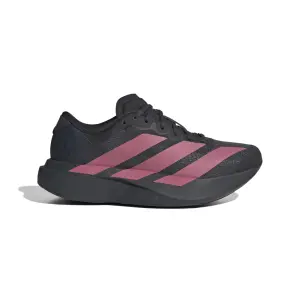
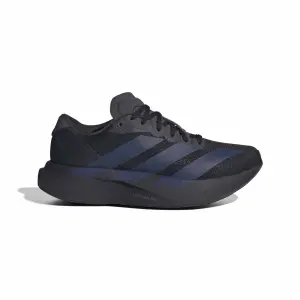
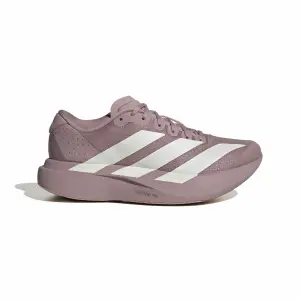
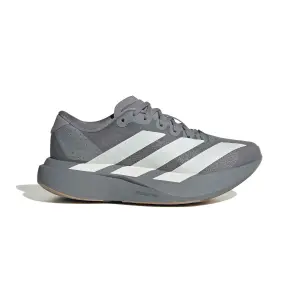
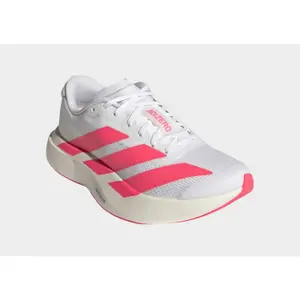
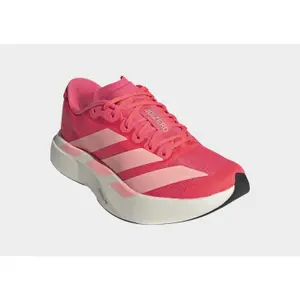


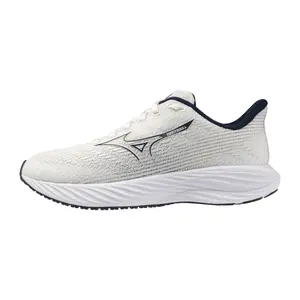
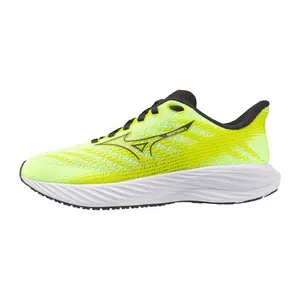
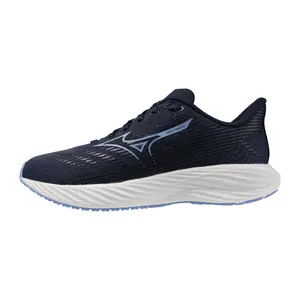


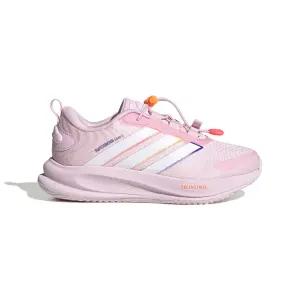
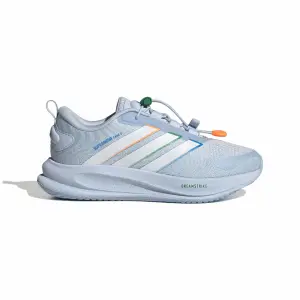


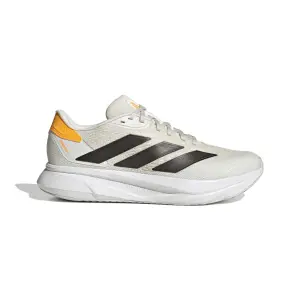


Other children's shoes brings together shoes for specific uses: canvas espadrilles for holidays, pool slides, running shoes for the school cross-country run, water shoes for pebbly beaches, indoor shoes and shoe care accessories. Each pair is chosen for a particular place, season or sport, and complements everyday trainers.
From the beach to the gym, the right pair for the right place.
Espadrilles and sliders: shoes for hot days
The espadrille combines a cotton canvas upper with a lightweight sole, traditionally made from braided jute rope. It lets the foot breathe and slips on in one easy movement, making it the go-to shoe for holidays and days out in town when the weather is hot. California brand Toms, founded in 2006 by Blake Mycoskie, popularised a version inspired by the Argentine alpargata, available in sizes for babies too, with fun prints.
Sliders serve a different purpose: a single strap, a moulded sole that can handle water, and you're from the pool to the changing room in a second. The adidas Adilette, launched in 1972 for athletes, is still the benchmark. They're best kept for the pool, beach and sports club, as they don't hold the heel in place.
Other types of children's shoes
For little ones taking their first steps, the Baby selection brings together styles with flexible soles and firm heel counters. Trainers are ideal for school and weekends, while ankle boots and boots come into their own in cold or wet weather. In summer, flip-flops and sandals let the feet breathe, ballet flats dress girls up for parties, and slippers keep feet warm at home and at nursery.
Running and indoor sports: the right sole for every surface
A children's running shoe differs from a casual trainer with its breathable mesh upper, foam midsole to cushion each stride and treaded outsole. The adidas Duramo and Runfalcon, designed for running, are suitable for school cross-country, club athletics and outdoor PE lessons.
In a sports hall, the rules change. Handball, volleyball, badminton and basketball call for a non-marking sole, made from light-coloured rubber that grips the court without leaving black marks: many clubs and schools require this. Founded in Osaka in 1906, Mizuno made a name for itself with indoor shoes like these, popular with young volleyball and handball players for their grip and lateral stability.
Water shoes, boat shoes and walking boots: protect feet outdoors
Water shoes protect the soles of the feet from sharp rocks, shells and hot sand. Their non-slip rubber soles grip wet rocks, their mesh uppers let water drain out and dry quickly, and an elasticated ankle helps keep sand out. Rinsing them with clean water after swimming is all it takes to care for them.
The boat shoe, a leather moccasin with laces that wrap around the foot, has a white sole with fine grooves that grips a wet deck without marking it; it also goes well with summer occasionwear. For walks in the mountains, walking boots offer deep lugs and ankle support that no trainer can match.
Best times to add to your shoe collection
It's worth planning ahead for these shoes, which are only used from time to time. Black Friday and the festive season are good times to buy indoor sports shoes and care accessories, often tucked under the Christmas tree. The winter sales, followed by the spring French Days, come just before espadrille and water shoe season. During the summer sales and at the start of the school year, the shoe clearance page brings together end-of-line styles, while new shoes showcases the styles arriving in time for the return to sport.
Shoe trees and protectors: make children's shoes last longer
Children bend, scuff and get their shoes wet far more than adults. Toe protectors such as Crep Protect's Sneaker Shields slip into the front of trainers to help prevent creases on the upper, the marks that show up on leather in the first few weeks. A shoe tree keeps a pair in shape between wears and absorbs some of the moisture.
Before their first outing, a waterproofing spray protects suede and canvas from stains and rain; reapply it after each clean. Always let wet shoes dry in the open air, stuffed with newspaper, and away from radiators, which harden the leather and loosen the soles.
Frequently asked questions
Are espadrilles suitable for a child who runs a lot?
Yes, for a walk or a day sitting outside. For running and jumping in the playground, they don't offer enough heel support or cushioning: trainers or sandals with a closed heel hold the foot better and help prevent twisted ankles.
Can you machine-wash espadrilles with rope soles?
It's best to avoid it, as jute rope can warp and darken when it gets wet. Clean the canvas with a soft brush and soapy water, without soaking the sole, then leave them to dry flat in the shade.
Should you buy water shoes a size up?
No, they're worn barefoot and should fit snugly so they don't slip or get lost in the waves. Choose your child's usual size; if they're between sizes, the smaller one generally stays on better when wet.
Can sliders be worn as everyday summer shoes?
That's not what they're designed for. Without a back strap, children curl their toes to keep them on and are more likely to trip. Save them for the pool, beach and changing room, and choose sandals with a closed heel for longer walks.
How long does a pair of children's running shoes last?
Most often, children's feet outgrow the shoes before the soles wear out. Check the size every three or four months for younger children, and replace the pair if the cushioning has flattened or the tread is smooth under the forefoot.











